
Dash Cams vs. Backup Cameras: A Comprehensive Guide for New and Rideshare Drivers
Most drivers think backup cameras cover all their safety needs. Yet, crashes still happen in tight spots and on busy streets. Choosing between the best dash cams for cars and parking assistance cameras can change how you protect yourself behind the wheel. This guide breaks down what each tech offers and which suits your driving style best.
Understanding Vehicle Safety Technology
The Basic Differences
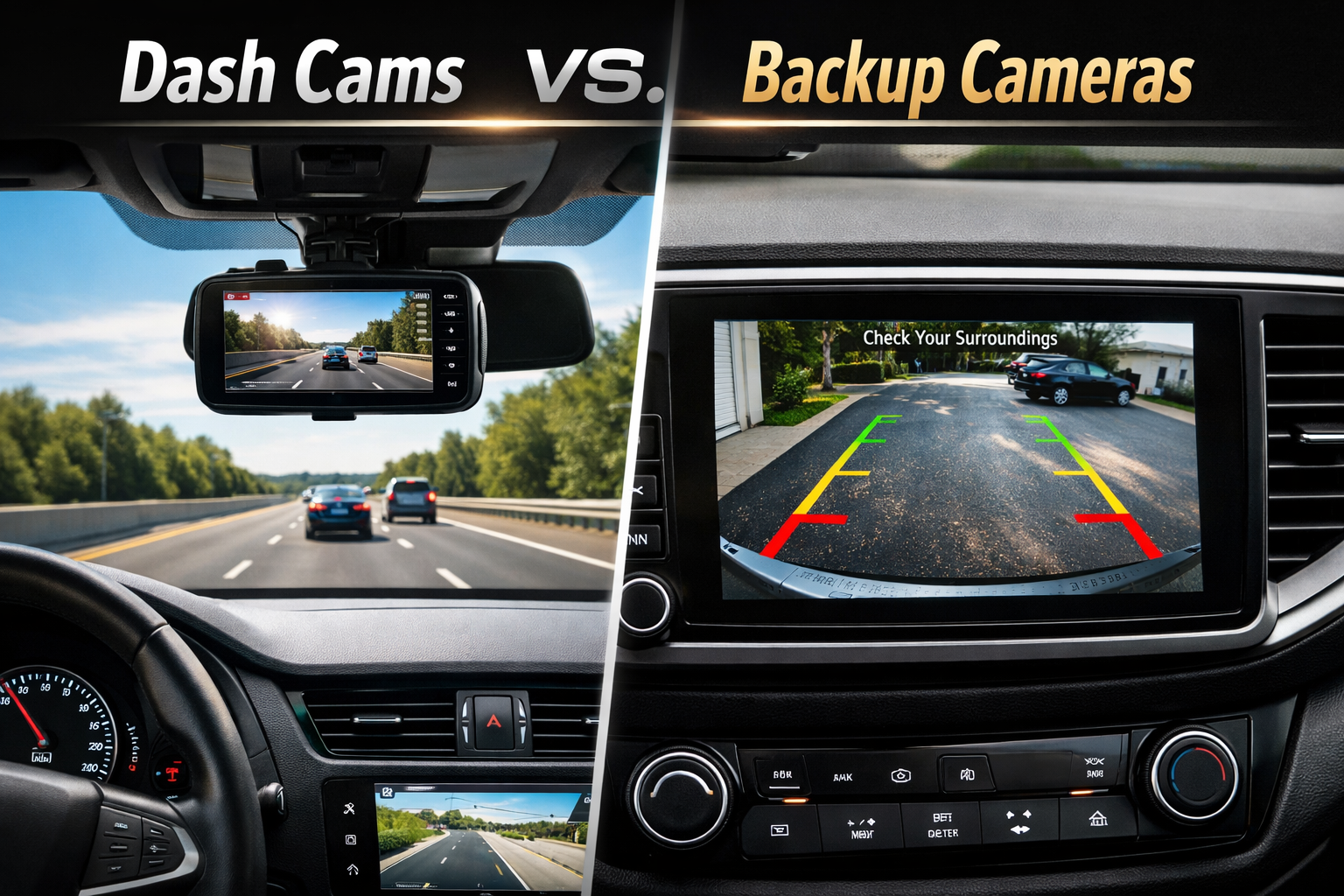
When we talk about car safety gadgets, dash cams and backup cameras serve completely different purposes. Backup cameras (sometimes called reverse cameras) show you what’s directly behind your vehicle when you’re in reverse. They’re great for parking and avoiding obstacles you can’t see through your rear window.
Dash cams, on the other hand, are like having a personal witness on the road. They record everything that happens while you’re driving, creating video evidence if anything goes wrong. The best dash cams for cars can capture crystal-clear footage of accidents, near-misses, or even just beautiful scenery on your road trips.
How They Work
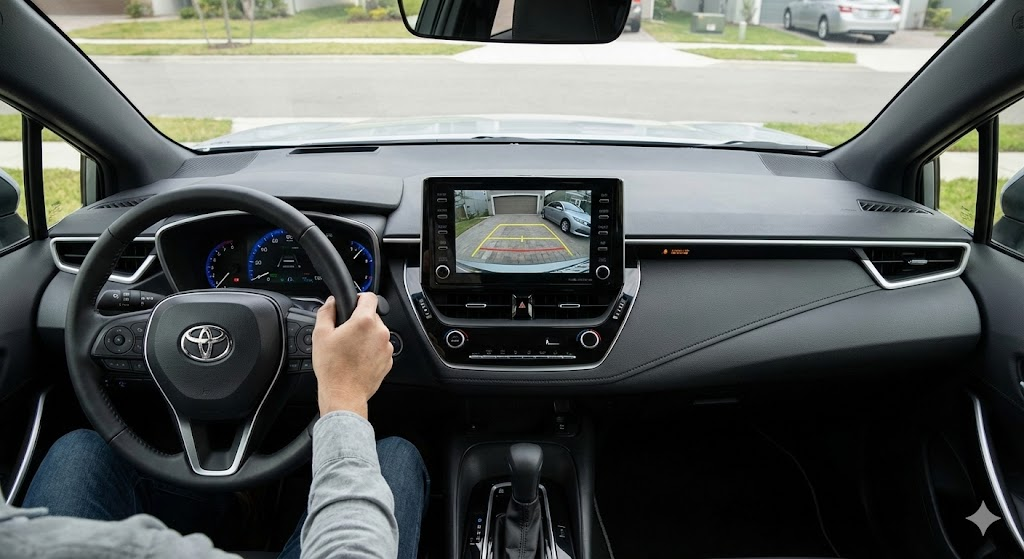
Backup cameras activate when you shift into reverse. They’re usually mounted near your license plate and send video to your dashboard display. Since 2018, they’ve been required in all new cars sold in the US because they help prevent backing-up accidents.
Dash cams work differently. They’re typically attached to your windshield or dashboard and record continuously while your car is running. Some fancy models even have parking mode, which means they’ll start recording if they detect motion or impact while your car is parked.
Dash Cam Benefits That Might Surprise You
Legal Protection On Wheels
One of the biggest reasons drivers invest in dash cams is for protection against false claims. Imagine someone cuts you off, causes an accident, then tells the police it was your fault. Without witnesses, it’s your word against theirs. But with dash cam footage? You’ve got solid proof of what actually happened.
For rideshare drivers especially, this protection is priceless. When you’re constantly picking up strangers, having a record of each ride can protect you from false accusations or disputes.
Insurance Advantages
Did you know some insurance companies offer discounts if you have a dash cam installed? It makes sense from their perspective – clear video evidence makes claims processing faster and prevents fraud.
Even without a discount, having footage of an accident can speed up your claim and help make sure you’re not blamed for something that wasn’t your fault. This alone can save you thousands in the long run.
Monitoring New Drivers
If you’re a parent with a teen driver, dash cams provide peace of mind. You can review their driving habits, offer coaching, and make sure they’re staying safe when you’re not in the car. Some advanced models even track speed and send alerts if they detect dangerous driving behaviors.
The Case for Backup Cameras
Parking Made Simple
Let’s be honest – parking can be stressful, especially in tight spaces. Backup cameras take the guesswork out of reverse parking by showing you exactly how much space you have. Many systems even include guide lines that show your trajectory as you turn the wheel.
For new drivers still getting comfortable with spatial awareness, parking assistance cameras can be a confidence booster. They help you avoid those embarrassing (and potentially expensive) bumper scrapes and fender benders.
Preventing Tragic Accidents
The most important function of backup cameras isn’t convenience – it’s safety. Every year, children are injured or killed in “backover” accidents when drivers can’t see them behind vehicles. Backup cameras help prevent these tragedies by expanding your field of vision.
This is especially important with larger vehicles like SUVs and trucks, which have significant blind spots. The camera lets you spot obstacles – whether it’s a bike, a pet, or a child – that you might miss using just your mirrors.
Backup Camera Installation Options
If your car didn’t come with a factory-installed backup camera, don’t worry. Aftermarket backup camera installation is more affordable and simpler than you might think. Options range from:
-
Wireless systems that connect to your smartphone
-
Replacement rearview mirrors with built-in screens
-
Full dashboard display systems
The installation process varies based on the system you choose. While some wireless options are DIY-friendly, hardwired systems might require professional installation for the best results.
Making the Right Choice for Your Needs
For New Drivers
If you’re just starting out on the road, which should you prioritize? Both technologies have value, but backup cameras might give you more immediate confidence. They help with one of the trickiest parts of driving – maneuvering in tight spaces.
That said, new drivers are also statistically more likely to be involved in accidents. A dash cam can provide valuable learning opportunities by allowing you to review your driving and identify areas for improvement.
For Rideshare Drivers
If you drive for Uber or Lyft, a dash cam isn’t just helpful – it’s practically essential. Beyond recording road incidents, many rideshare drivers opt for dual-facing cameras that record both the road and the interior of the vehicle.
This provides protection against passenger disputes and can deter bad behavior. Just make sure you’re following local laws about recording passengers – in some places, you need to clearly disclose that recording is taking place.
The Best of Both Worlds
Who says you have to choose? If your budget allows, having both systems gives you comprehensive protection. Many newer dash cam models actually include a rear camera component that can function similarly to a backup camera (though usually without the guide lines).
If you’re considering both, start with the one that addresses your biggest concern:
-
Worried about parking? Begin with a backup camera.
-
Drive in heavy traffic or accident-prone areas? A dash cam might be your priority.
-
Use your vehicle for business? Dash cam first, then add a backup camera when possible.
Top Features to Look For
Dash Cam Must-Haves
When shopping for the best dash cams for cars, consider these key features:
-
Resolution: Look for at least 1080p for clear license plate visibility
-
Wide-angle lens: 140 degrees or more gives better coverage
-
Night vision: Essential for clear recordings after dark
-
Loop recording: Automatically overwrites old footage when memory is full
-
G-sensor: Detects collisions and saves that footage from being overwritten
-
Storage capacity: Higher is better, with 32GB as a minimum
-
Wi-Fi connectivity: Makes it easier to transfer and share videos
Backup Camera Essentials
For parking assistance cameras, prioritize:
-
Weather resistance: Your camera will be exposed to the elements
-
Night vision: Parking in dark areas requires good low-light performance
-
Wide viewing angle: The more you can see, the better
-
Guide lines: Dynamic lines that move with your steering are best
-
Screen quality: A clear display makes all the difference
-
Easy integration: Look for systems that work with your existing setup
Installation Considerations
DIY or Professional Help?
Backup camera installation can range from simple to complex depending on your vehicle and the system you choose. Wireless systems that connect to your smartphone or a battery-powered display are relatively straightforward DIY projects.
Hardwired systems that integrate with your car’s electrical system and display on your dashboard might require professional installation. The cost typically ranges from $100-300 for professional work, plus the price of the camera system itself.
Dash cams are generally simpler to install. Most models plug into your 12V outlet or USB port and attach to your windshield with a suction cup or adhesive mount. The biggest challenge is usually hiding the power cable for a cleaner look.
Placement Tips
For dash cams:
-
Mount high on the windshield near the rearview mirror for best coverage
-
Make sure it doesn’t obstruct your view of the road
-
Position it where your wipers can keep the windshield clean in front of it
For backup cameras:
-
The license plate frame area is the most common location
-
Ensure the camera is angled slightly downward to see the ground behind you
-
Keep the lens clean and clear of obstructions
The Final Verdict
Both dash cams and backup cameras serve important but different roles in your vehicle safety setup. Backup cameras help prevent accidents in the moment by expanding your vision, while dash cams provide evidence and protection after incidents occur.
For new drivers, the immediate feedback of a backup camera might be most valuable as you build confidence. For rideshare drivers, the legal protection of a dash cam is hard to beat.
The good news? Vehicle safety technology has become more affordable than ever. What was once luxury equipment is now accessible to most drivers. Whether you choose one or both, you’re making a smart investment in your safety and peace of mind on the road.
Remember that the best safety feature in any vehicle is still an alert, careful driver. These technologies are tools to help you, not replace good driving habits and awareness.
Which will you choose first? The answer depends on your specific needs, but either way, you’re taking a positive step toward safer driving.
Your Next Steps
Ready to upgrade your vehicle safety? Start by:
-
Assessing your primary concerns (parking, accident protection, etc.)
-
Setting a realistic budget
-
Researching specific models that meet your needs
-
Reading reviews from other drivers in similar situations
-
Deciding whether you’ll install it yourself or seek professional help
With the right equipment and proper installation, you’ll be driving with greater confidence and protection in no time!