The Ultimate Guide to Car Audio Systems: What Every Driver Should Know

First-Time Driver’s Guide to Upgrading Car Audio Systems

Most first-time drivers think all car audio systems sound the same until they hit the road. That’s when you realize your music doesn’t come close to what it could be. Upgrading your vehicle sound upgrades can turn every drive into something worth looking forward to, but knowing where to start with car stereo installation can feel overwhelming. This guide lays out everything you need to pick the best car speakers and get your sound right.

Why Your Factory Audio System Isn’t Cutting It

Let’s be real here. Car manufacturers aren’t in the business of creating amazing sound systems. They’re focused on getting vehicles out the door at a price point that works for most buyers. That means your factory setup probably has cheap speakers, a basic head unit, and minimal sound processing.

You’ll notice this the moment you crank up your favorite song. The bass sounds muddy, the highs are tinny, and everything gets distorted when you turn up the volume past halfway. It’s not your music’s fault. Your car audio systems just weren’t designed for people who actually care about sound quality.

Think about it this way. You spent thousands on your car, but the audio setup probably cost the manufacturer less than a hundred bucks. That’s why upgrading makes such a huge difference. Even entry-level aftermarket components blow factory systems out of the water.

Understanding the Basic Components

Before you start shopping, you need to know what actually makes up car audio systems. It’s not as complicated as it sounds, I promise.

The Head Unit

This is your stereo’s brain. It’s the thing on your dashboard with all the buttons and the screen. Modern head units do way more than play CDs. They connect to your phone, stream music, and control every aspect of your sound.

When you’re looking at car stereo installation, the head unit is often the first thing to replace. A good one gives you better sound processing, more power to your speakers, and features like Apple CarPlay or Android Auto. You can find solid options starting around $150, or go all out with touchscreen models that cost several hundred.

Speakers

Your speakers turn electrical signals into the sound you hear. Factory speakers use cheap materials that break down over time. The best car speakers use better cones, stronger magnets, and smarter designs to create clearer, louder, more accurate sound.

There are a few types you should know about. Component speakers separate the tweeter (high frequencies) from the woofer (mid and low frequencies). Coaxial speakers combine everything into one unit. Components sound better but cost more and take longer to install.

Amplifiers

An amp takes the signal from your head unit and boosts it before sending it to your speakers. Factory systems usually have weak built-in amps that can’t push enough power. Adding an external amp means your speakers can perform at their full potential without distortion.

You don’t always need an amp right away, but if you want serious volume or plan to add a subwoofer, it’s a must-have. Think of it like this: speakers are only as good as the power driving them.

Subwoofers

Subs handle the deep bass that regular speakers can’t reproduce. They’re what you feel in your chest when a song has serious low end. A good sub adds depth and impact to every genre of music, not just hip-hop or electronic.

Subwoofers come in different sizes, with 10-inch and 12-inch being the most popular. They need their own enclosure (box) and usually require a dedicated amp. But man, the difference they make is worth the extra effort.

Planning Your Vehicle Sound Upgrades

So where should you actually start? It depends on your budget and what bothers you most about your current setup.

The Speaker Swap

For most people, replacing the factory speakers is the best first move. It’s relatively affordable, doesn’t require major modifications, and makes an immediate difference. You can usually do it yourself in an afternoon with basic tools.

Start with your front speakers since that’s where most of your sound comes from. The best car speakers for beginners are coaxial models that drop right into your factory locations. Look for brands like JBL, Kicker, or Alpine. You’re looking at $50 to $150 per pair for quality options.

When you’re shopping, pay attention to size. Check your car’s manual or look up the speaker sizes online. Getting the wrong size means you’ll need adapters or brackets, which adds cost and hassle.

Head Unit Replacement

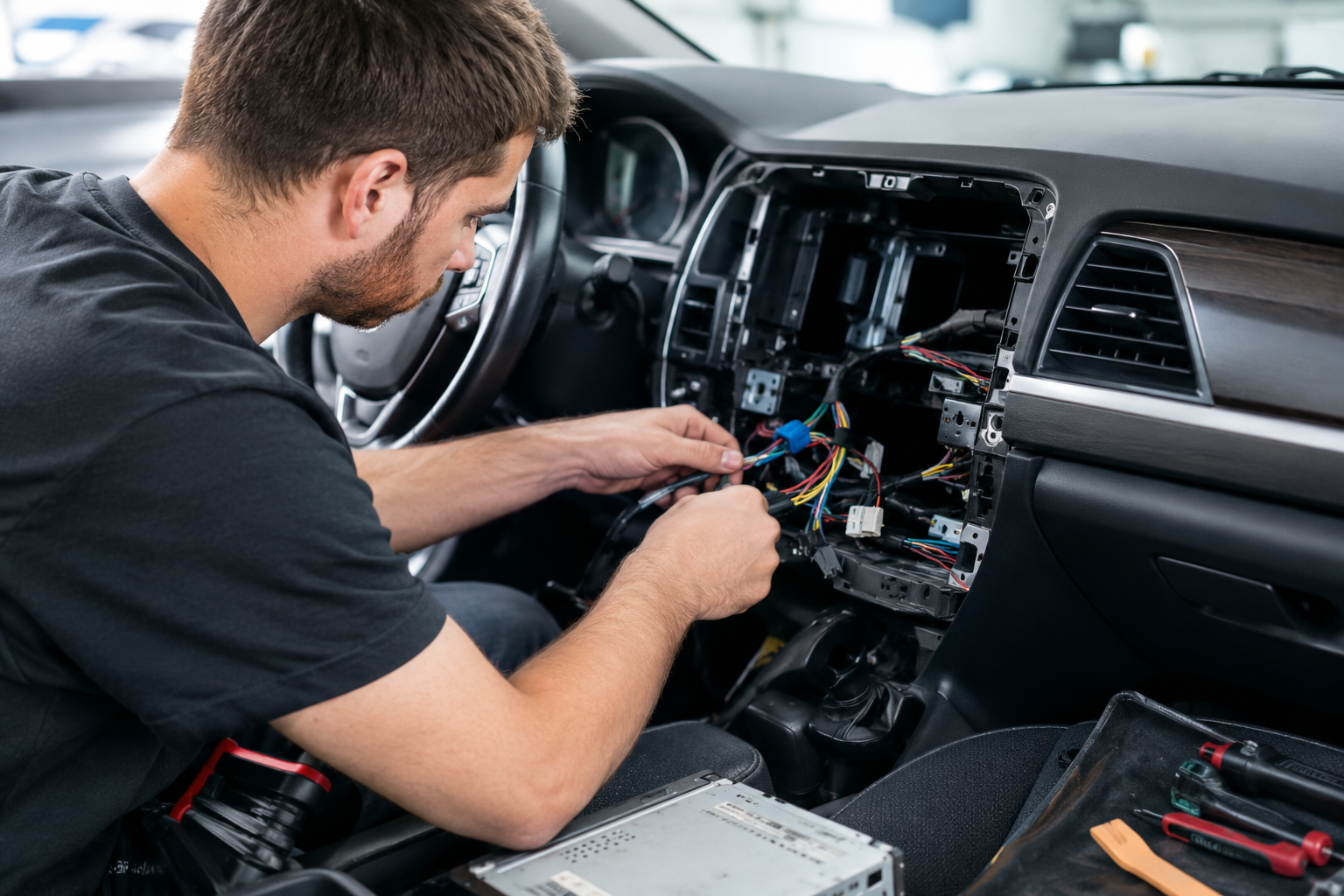
If your factory radio is ancient or you really want modern features, swap the head unit next. This is where car stereo installation gets a bit trickier. You’ll need a dash kit to make the new unit fit properly and a wiring harness adapter to connect it to your car’s electrical system.

Don’t worry though. Most car audio shops sell these as kits specific to your make and model. The installation might take a few hours, but there are tons of YouTube videos walking you through the process for almost every car out there.

One thing to watch out for: some newer cars have integrated systems where the radio controls other functions like climate or backup cameras. Replacing the head unit in these vehicles can be complicated or even impossible without losing features.

Adding an Amplifier

Once you’ve got better speakers and maybe a new head unit, an amp is the next logical step. This is where your car audio systems really start to shine. Even modest speakers sound way better with clean, powerful amplification.

You’ll need to run power from your battery to wherever you mount the amp (usually under a seat or in the trunk). You’ll also run signal cables from your head unit and speaker wires to your speakers. It’s more involved than swapping speakers, but still doable if you’re patient and careful.

Make sure your amp matches your speakers’ power handling. If your speakers are rated for 75 watts RMS, get an amp that puts out around that much per channel. More power isn’t always better if your speakers can’t handle it.

Subwoofer Installation

Want to feel your music? Add a sub. This is the most dramatic upgrade you can make, but it’s also the most work. You need the subwoofer itself, an enclosure, and an amp to power it.

Powered subwoofers combine all three in one package, which makes installation easier. You just need to connect power and a signal from your head unit. For better performance, go with a separate sub, box, and amp. You can customize everything to match your taste and space.

Think about how much trunk space you’re willing to give up. A single 10-inch sub in a small sealed box doesn’t take much room. Dual 12-inch subs in a ported box will eat up half your trunk but deliver serious output.

Tools and Supplies You’ll Need

Good news: you don’t need a garage full of professional equipment for basic car stereo installation. Here’s what you should have on hand.

A panel removal tool set helps you pop off door panels and trim pieces without scratching anything. They’re cheap, like $10 for a set. You’ll also want a basic socket set and screwdrivers.

For wiring, grab some electrical tape and wire connectors. If you’re running an amp, you’ll need an amp wiring kit with power cable, ground cable, fuse holder, and RCA cables. Don’t cheap out here. Bad wiring causes problems ranging from poor sound to electrical fires.

A multimeter helps you test connections and troubleshoot issues. You can find one for under $20. And get some zip ties to keep your wiring neat and secure.

Step-by-Step Speaker Installation

Let’s walk through replacing your front door speakers since that’s the most common starting point for vehicle sound upgrades.

First, disconnect your car’s battery. This prevents short circuits and protects your electrical system. Then remove the door panel. This usually means taking out a few screws and popping plastic clips. Your car’s manual or an online video will show you exactly where everything is.

Once the panel’s off, you’ll see the factory speaker. Unplug the wiring harness and remove the mounting screws. The old speaker should lift right out. Compare it to your new speaker to make sure the size matches.

Before installing the new speaker, you might need mounting brackets if the screw holes don’t line up. These usually come with your speakers or cost a few bucks. Connect the wiring harness to your new speaker. If the plugs don’t match, you’ll need a speaker harness adapter.

Mount the new speaker, making sure it’s secure. You don’t want it rattling around. Reconnect your battery and test the speaker before putting the door panel back on. If it sounds good, reassemble everything in reverse order.

Common Mistakes to Avoid

I’ve seen people make the same errors over and over when upgrading car audio systems. Let’s save you some headaches.

Don’t assume all speakers are the same size. Measure twice, buy once. Getting speakers that don’t fit means delays and extra spending on adapters.

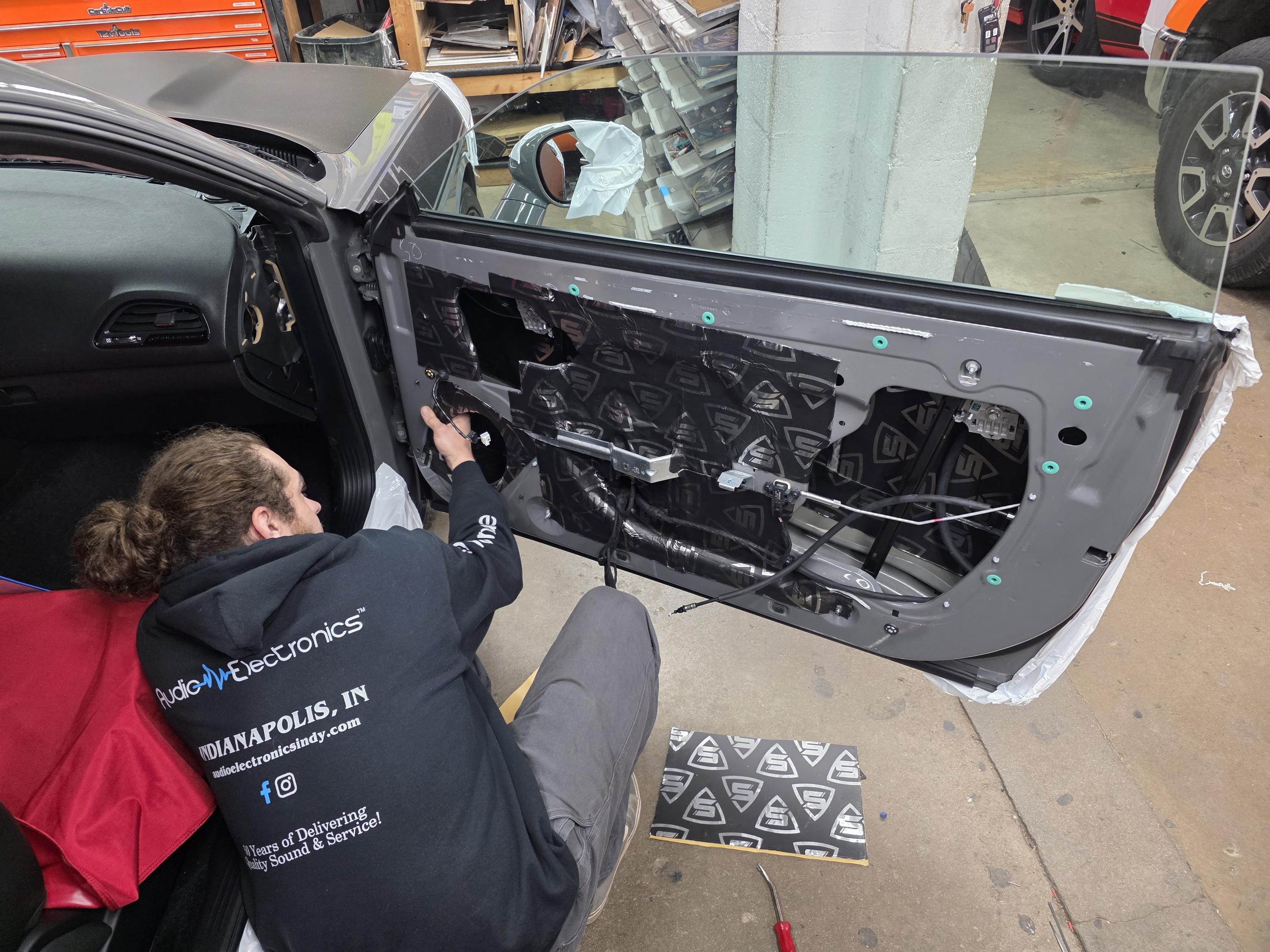
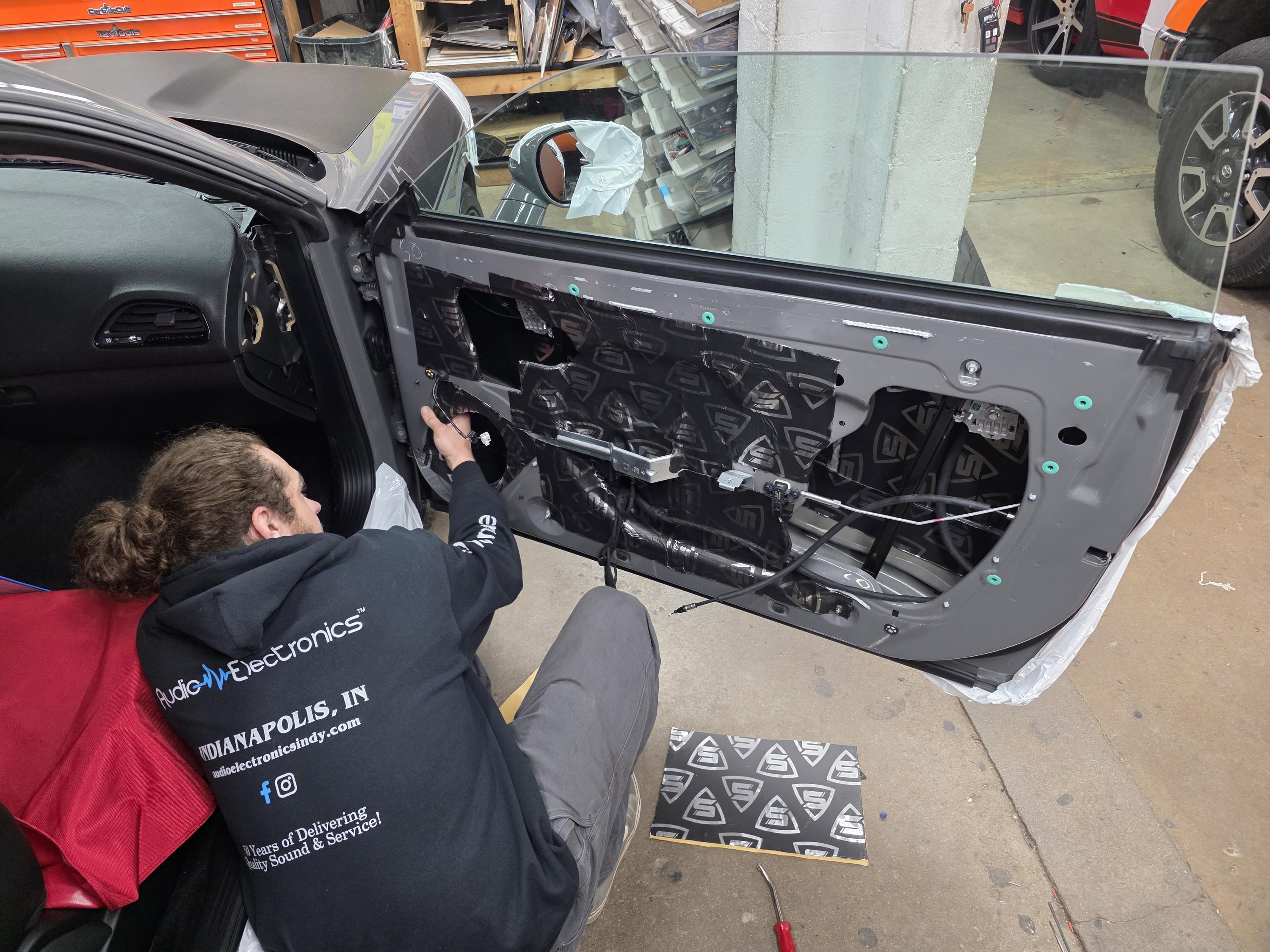
Don’t skip the sound deadening. Adding material like Dynamat to your doors reduces vibrations and road noise. It makes a huge difference in sound quality. You don’t need to cover every surface, but hitting the outer door skin helps a lot.

Don’t overtighten screws when mounting speakers or amps. Plastic panels crack easily, and you can strip metal threads. Snug is good enough.

Don’t run power cables next to signal cables. This causes interference and noise in your audio. Keep them separated by at least a foot when possible.

Don’t forget to set your gains properly if you’re installing an amp. Gains aren’t volume controls. They match the input signal strength to the amp. Setting them too high causes distortion. Too low and you’re wasting power.

Choosing the Best Car Speakers for Your Needs

With so many options out there, how do you pick? Start by thinking about what kind of music you listen to and how loud you like it.

If you’re into rock, metal, or anything with lots of guitars and vocals, focus on speakers with strong midrange performance. Look for ones with silk or textile tweeters for smooth highs.

Bass-heavy music benefits from speakers with larger woofers and stiffer cones. Polypropylene or treated paper cones handle bass better than some other materials.

For classical or jazz, you want accuracy above all else. Component speakers with separate tweeters give you the best imaging and detail.

Power handling matters too. If you’re planning to add an amp later, get speakers that can handle more power. If you’re sticking with your factory head unit, lower power speakers are fine and often cheaper.

Sensitivity ratings tell you how loud a speaker gets with a given amount of power. Higher sensitivity (90 dB or above) means louder sound with less power. That’s great if you’re not using an amp.

Professional Installation vs. DIY

Can you do car stereo installation yourself? Absolutely. Should you? That depends on your comfort level and the complexity of the job.

Swapping speakers is super beginner-friendly. If you can use a screwdriver and follow instructions, you can do it. Head unit replacement is a bit more involved but still manageable for most people. There are detailed guides for almost every car model online.

Amp and subwoofer installation gets trickier. You’re running heavy gauge wire, drilling holes, and making electrical connections. If you’re not confident working with car electrical systems, having a pro do it might be worth the cost. Most shops charge $100 to $200 for amp installation, more if you’re adding a sub.

One benefit of professional installation is the warranty. Good shops guarantee their work. If something goes wrong, they fix it. When you DIY, you’re on your own if you mess something up.

But doing it yourself saves money and teaches you about your car. Plus, there’s something satisfying about cranking up your system knowing you built it with your own hands.

Setting Your Budget

How much should you spend on vehicle sound upgrades? That’s totally up to you, but here are some realistic budget tiers.

Entry level: $200 to $500. This gets you a new set of front and rear speakers, maybe a basic head unit. You’ll hear a clear improvement over factory, but you’re not going to blow anyone away.

Mid-range: $500 to $1,500. Now we’re talking. You can get quality component speakers, a solid head unit with all the features, and maybe a small amp or powered sub. This is the sweet spot for most people.

High-end: $1,500 and up. The sky’s the limit here. Multiple amps, component speakers all around, serious subwoofer setup, sound deadening, custom installation. You can easily spend $5,000 or more if you want the absolute best car speakers and equipment.

Start with what you can afford and build over time. Your car audio systems don’t have to be perfect right away. Get speakers first, add an amp later, throw in a sub when budget allows. Each upgrade improves your sound and you spread the cost out.

Maintaining Your New System

Once you’ve finished your car stereo installation, you want to keep everything working great. The good news is audio equipment is pretty low-maintenance.

Keep your speakers clean. Dust and dirt can work into the cone and cause problems. A quick wipe with a dry cloth every few months is enough.

Check your connections once or twice a year. Vibration can loosen screws and terminals over time. A quick inspection and tightening takes five minutes and prevents issues.

If you added an amp, make sure it’s getting good airflow. Amps generate heat and need ventilation. Don’t pile stuff on top of it or block the cooling fins.

Protect your system from moisture. If you’re washing your car or it’s raining, keep windows up. Water and electronics don’t mix.

Be smart about volume. Yes, your new system can get loud. But sustained high volume damages speakers and your hearing. If it’s distorting, turn it down.

Getting the Sound Just Right

Having great equipment is only half the battle. You need to tune your car audio systems to sound their best.

Start with your head unit’s EQ settings. Most have presets like “Rock” or “Jazz.” Try them out, but don’t be afraid to create a custom setting. Boost frequencies that sound weak, cut ones that are too strong.

If your head unit has time alignment, use it. This adjusts the timing of each speaker so sound reaches your ears at the same moment. It creates a more focused soundstage.

Balance and fade controls let you adjust where the sound comes from. Most people prefer a front-focused sound with rear speakers providing fill. Start with the fade all the way forward and the balance centered, then adjust to taste.

For subs, adjust the low-pass filter on your amp. This determines what frequencies the sub plays. Start around 80 Hz and adjust up or down based on how your system sounds. You want the sub to blend with your speakers, not overpower them.

Take your time with tuning. Listen to familiar songs in different genres. Make small adjustments and live with them for a few days before changing more. Your ears need time to adjust to the new sound.

Final Thoughts on Your Audio Build

Upgrading your car’s sound doesn’t have to be scary or expensive. Start simple, learn as you go, and build the system that works for you. Whether you’re installing the best car speakers you can afford or going all out with amps and subs, every improvement makes your drive better.

Remember, there’s no perfect system that works for everyone. What sounds amazing to your friend might not be your style. Trust your ears and build something you’ll love listening to every single day.

The car audio community is full of helpful people who’ve been where you are. Don’t be afraid to ask questions on forums or at local shops. Most enthusiasts love talking about their builds and helping newcomers.

Your vehicle sound upgrades are an investment in your daily happiness. Every commute, road trip, and errand becomes more enjoyable when you’re surrounded by great sound. So go ahead and make that first upgrade. Your ears will thank you.

Light & Sound Synergy: Ground-up Custom Integration

Elevate Your Ride: The Perfect Synergy of Light and Sound in Custom Audio Systems

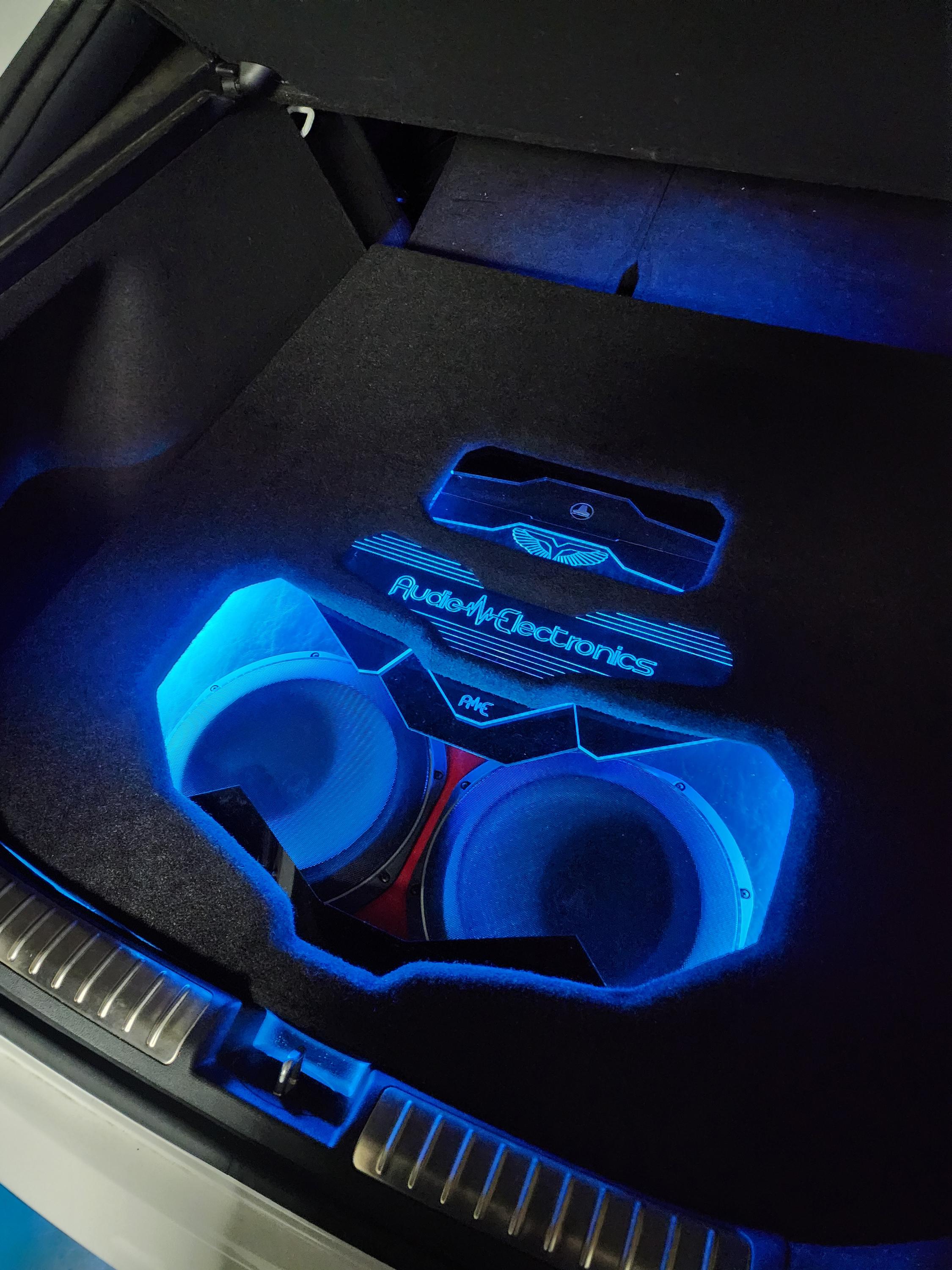
Most custom car audio fabrication stops at sound alone. But what if your setup could deliver extraordinary and legendary sound while lighting up every ride with integrated LED speakers? When every detail is engineered completely in-house, the result is a custom motorcycle audio and car system built from the ground up, blending light and sound like no other. Let’s explore how this perfect synergy takes your ride beyond just audio.

Why Light and Sound Belong Together

Have you ever been to a concert where the lighting was just as memorable as the music itself? There’s a reason professional performers invest millions in coordinated light shows. The combination creates an atmosphere that pure audio simply can’t match on its own. Now imagine bringing that same energy into your vehicle.

When you’re working with custom car audio fabrication, you’re already committed to going beyond factory standards. You want something special, something that turns heads and drops jaws. Adding integrated LED speakers into the mix takes that commitment to the next level. It’s not just about being louder or clearer anymore. It’s about creating a complete sensory environment every time you turn the key.

The best part? When everything is engineered completely in-house, you get perfect harmony between components. No mismatched parts, no compatibility issues, no compromises. Just pure, coordinated performance that works exactly as intended.

The Foundation: Starting From Scratch

Ground-up builds are where the magic really happens. Think about it like building a house. Sure, you could renovate an existing structure and make it nice. But when you start with a blank canvas and design every single element from the foundation up, you can create something truly special.

Custom motorcycle audio systems benefit enormously from this approach. Motorcycles present unique challenges that cookie-cutter solutions just can’t handle. You’re dealing with vibration, weather exposure, limited space, and the need for components that can perform at highway speeds. When you engineer everything from scratch, you can account for all these factors right from the start.

The same goes for cars. Whether you’re building a show vehicle or just want the absolute best system for your daily driver, starting fresh gives you options that retrofit installations simply can’t offer. You choose where every speaker goes, how every wire runs, and how every component interacts with the others.

Planning Your Custom Build

Before any cutting or wiring happens, the planning stage sets everything in motion. What kind of sound profile do you want? Are you a bass head who lives for that chest-thumping low end? Or maybe you prefer crystal-clear highs and perfect vocal reproduction? Perhaps you want it all?

And here’s where the light component comes in. What mood are you trying to create? Do you want subtle accent lighting that adds a touch of class? Or are you going for full-on visual impact that makes your vehicle the star of every car show?

These aren’t just aesthetic choices. They’re functional decisions that affect how your system gets built. Integrated LED speakers need power routing, heat management, and control systems. When you plan for these elements from the beginning, they become part of the design rather than afterthoughts bolted on later.

Engineering Completely In-House: The Game Changer

Let’s talk about why in-house engineering matters so much. When you buy off-the-shelf components, you’re getting products designed for the average user. They’re made to work in most situations, for most people, most of the time. That’s fine for basic setups, but it’s not how you achieve extraordinary and legendary sound.

Engineered completely in-house setups give you control over every variable. The amplifier isn’t just powerful enough. It’s tuned specifically for the speakers you’re using, in the exact acoustic environment of your vehicle. The subwoofer enclosure isn’t just the right size. It’s calculated to the millimeter for optimal performance in your specific installation location.

This level of precision extends to the lighting elements too. Integrated LED speakers aren’t just speakers with lights stuck on them. They’re designed as unified components where the lighting complements the audio performance without interfering with it. Heat from the LEDs is managed so it doesn’t affect the speaker’s voice coil. Power draw is calculated to prevent electrical interference. Color temperatures are chosen to match your vehicle’s interior aesthetics.

The Custom Fabrication Process

Custom car audio fabrication involves way more than just installing components. It’s actual fabrication, meaning building things that didn’t exist before. Fiberglass work, metal shaping, custom enclosures, mounting solutions. Every piece is created specifically for your vehicle.

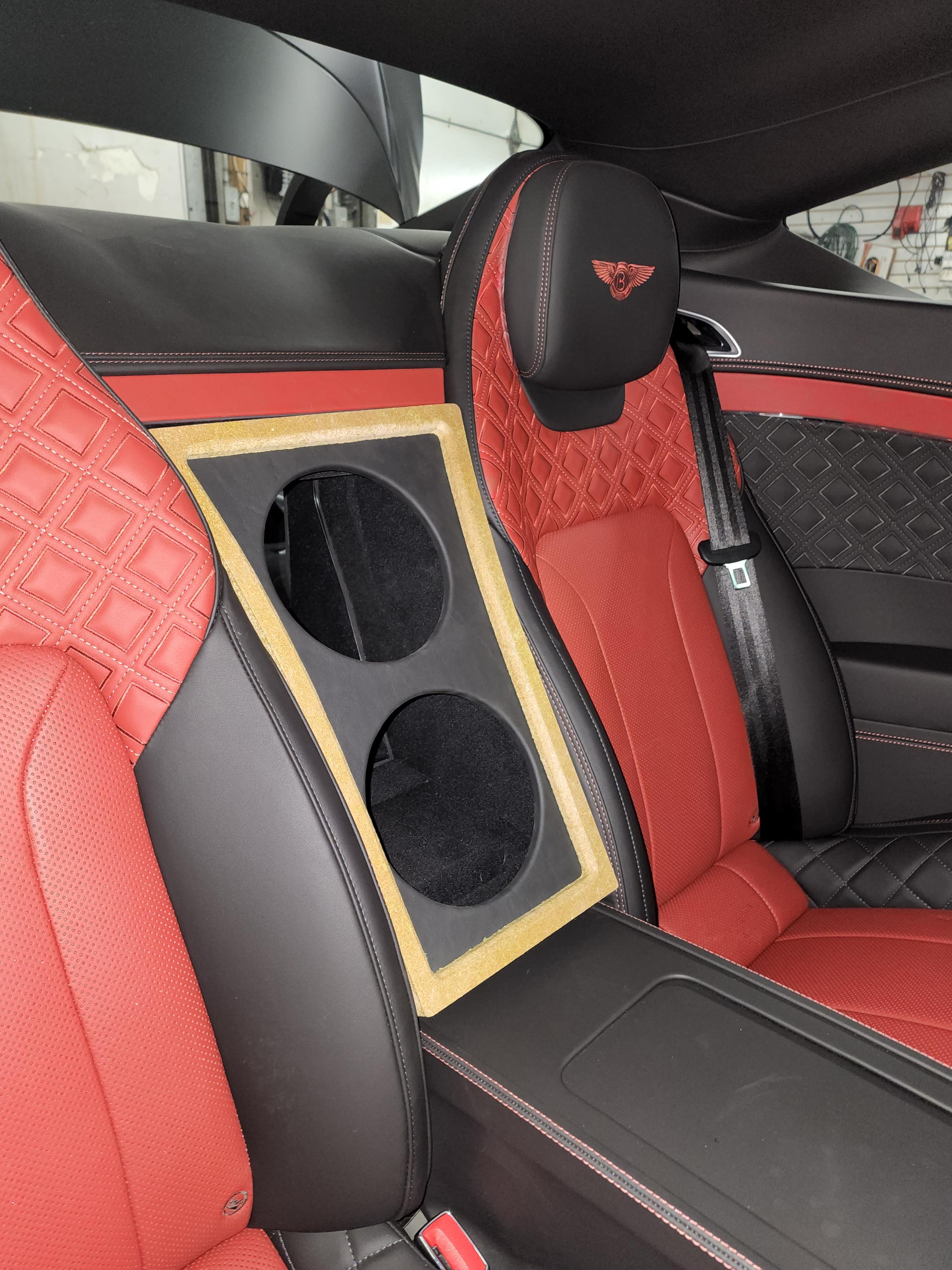
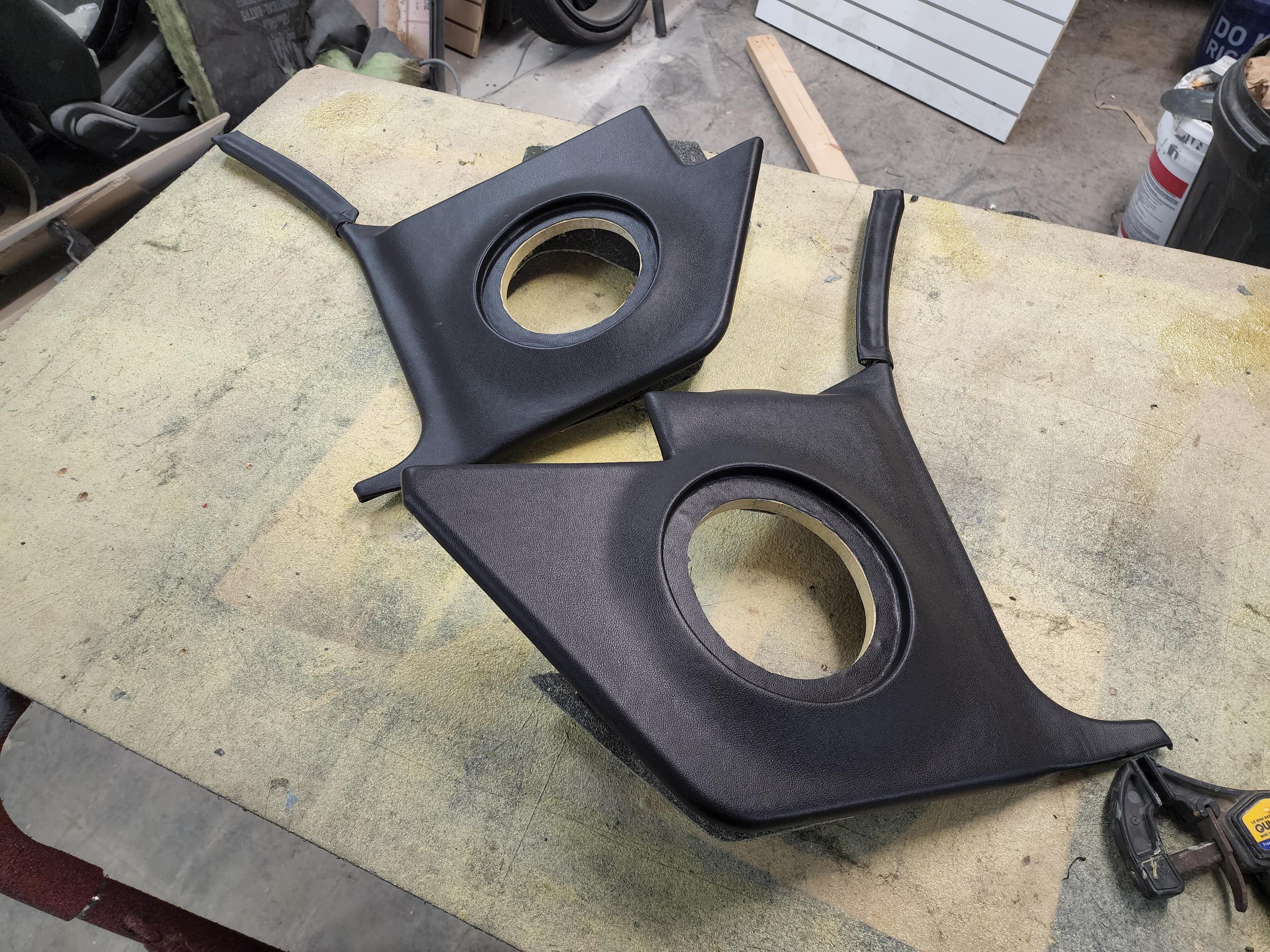
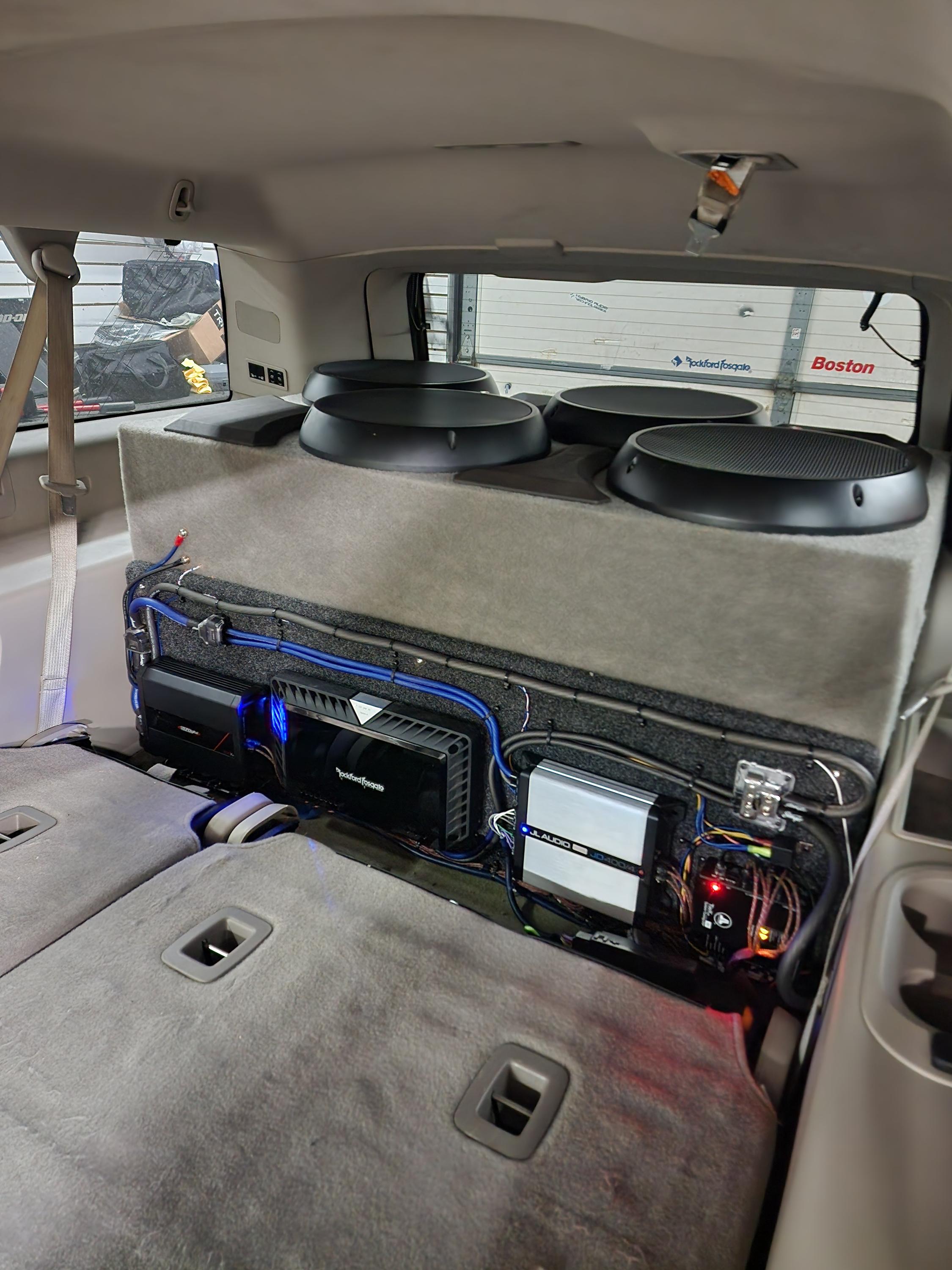
Want your subwoofers mounted in a custom enclosure that follows the curve of your trunk? That requires mold making, layup work, finishing, and painting. Hoping to mount speakers in door panels that were never designed to hold them? You’ll need custom mounting rings, baffles, and possibly reinforcement of the door structure itself.

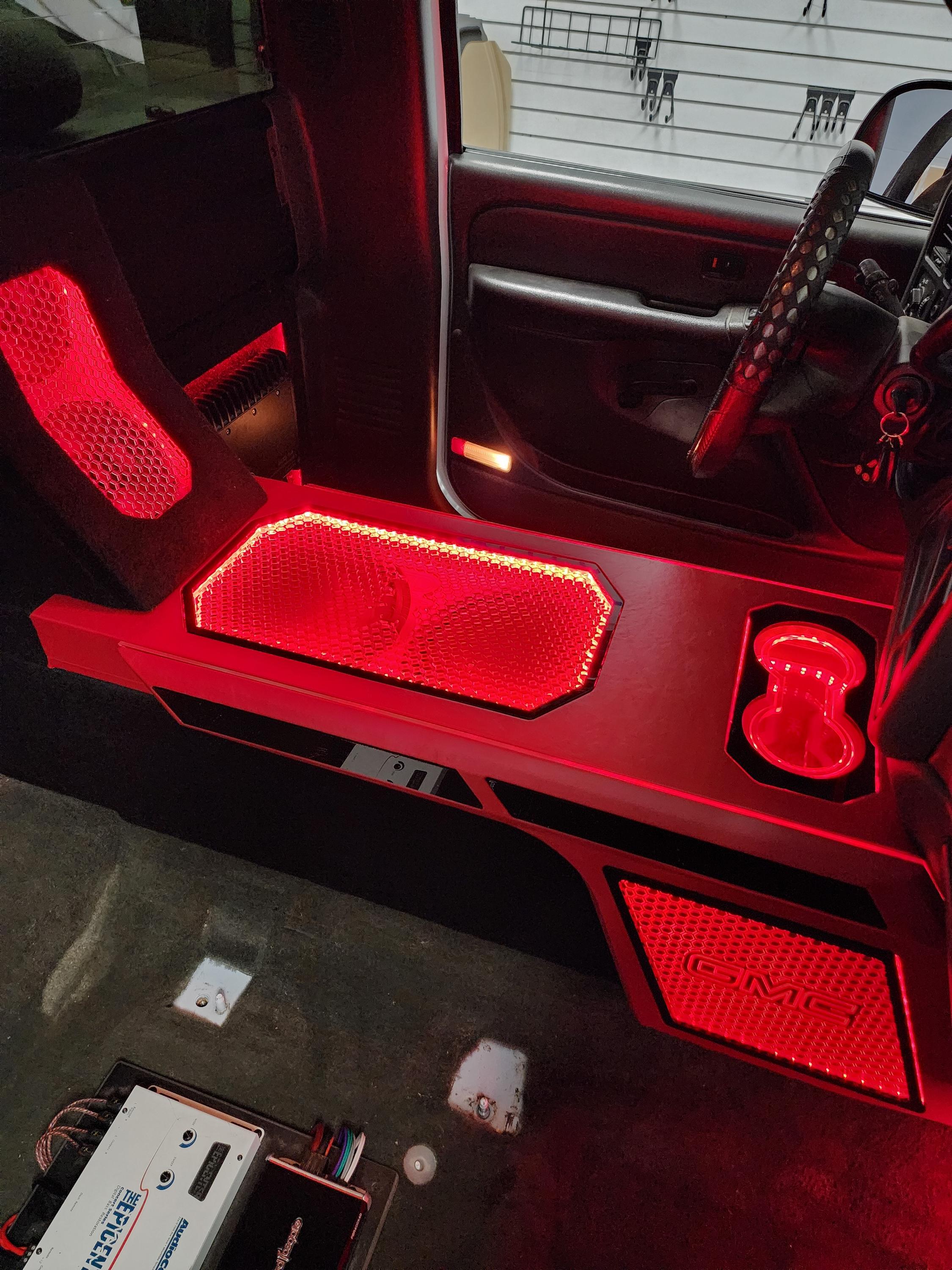
When integrated LED speakers are part of the plan, the fabrication gets even more interesting. You might create custom grilles that show off the lighting while protecting the speakers. Or build enclosures with translucent materials that let the light shine through. Maybe you’ll route the wiring through custom channels that keep everything clean and hidden.

Creating Extraordinary and Legendary Sound

So what exactly makes sound “extraordinary and legendary” anyway? It’s not just about volume, though a well-built system can definitely get loud when you want it to. It’s about quality, clarity, and accuracy.

Think about your favorite song. Now imagine hearing details you’ve never noticed before. The subtle breath a vocalist takes before hitting a high note. The gentle brush of fingers sliding along guitar strings. The precise location of each instrument in the stereo field. That’s what a truly exceptional system delivers.

Achieving this level of performance requires attention to every link in the audio chain. Your source needs to be high quality, whether that’s a premium head unit, a digital signal processor, or a streaming device with lossless audio. Your amplifiers need clean power delivery with minimal distortion. Your speakers need accurate frequency response and the ability to handle the power you’re feeding them.

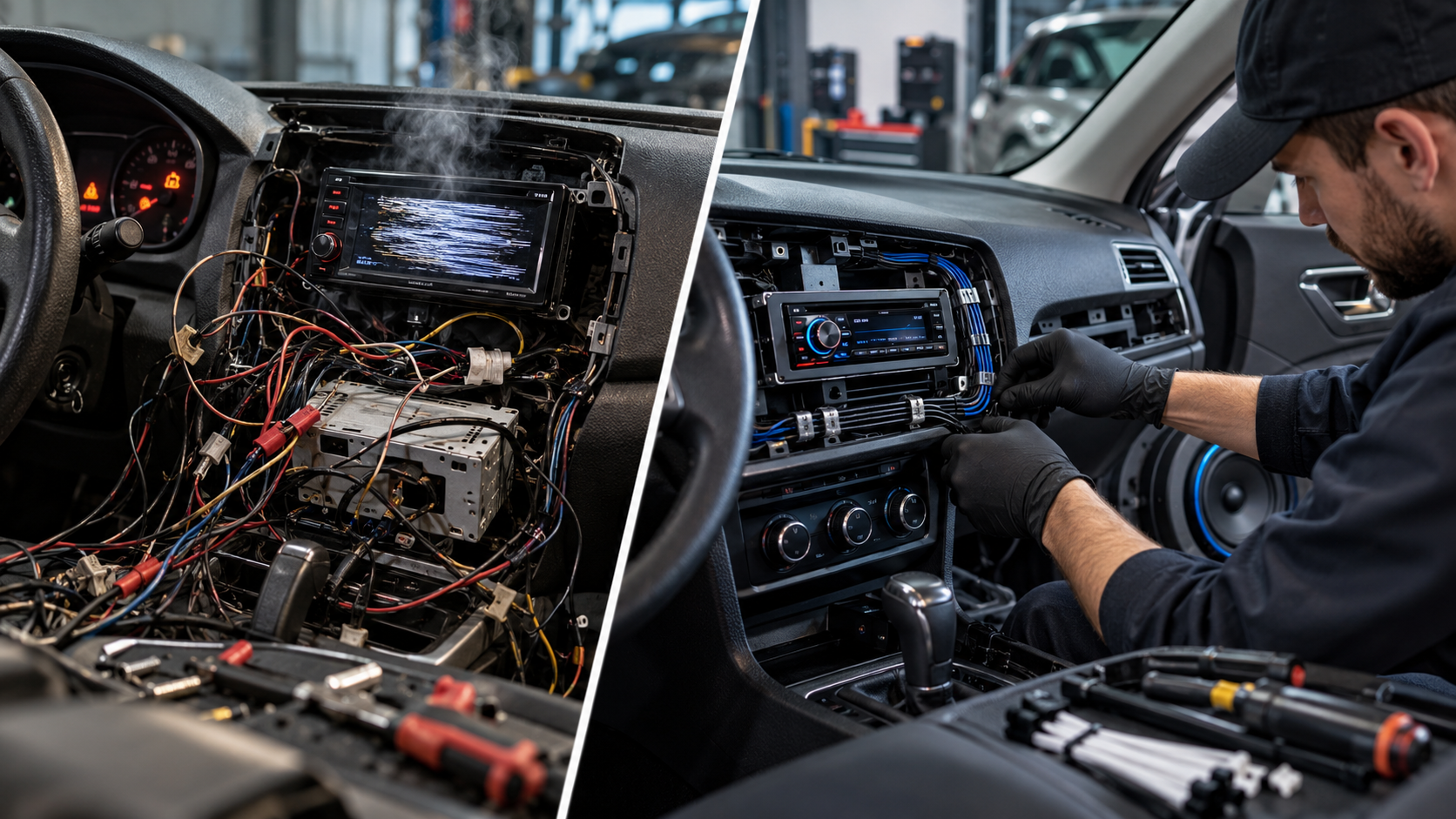
But here’s something many people overlook: installation quality matters just as much as component quality. The best speakers in the world will sound terrible if they’re mounted poorly or aimed wrong. Premium amplifiers will underperform if they’re not getting clean power or if their gains are set incorrectly.

Tuning Makes the Difference

Even with perfect components and flawless installation, your system needs proper tuning to reach its full potential. This is where art meets science. Digital signal processors let you adjust time alignment, equalization, crossover points, and dozens of other parameters.

Time alignment accounts for the fact that your ears aren’t the same distance from every speaker. By adding tiny delays to closer speakers, you can make all the sound arrive at your ears simultaneously. This creates a soundstage that feels three-dimensional and realistic.

Equalization corrects for the acoustic properties of your vehicle’s interior. Every car or motorcycle has resonances and dead spots based on its shape and materials. Proper EQ smooths out these irregularities, giving you balanced sound across all frequencies.

When you’re working with custom motorcycle audio, tuning becomes even more critical. The open-air environment creates challenges that enclosed vehicles don’t face. Wind noise, engine sound, and lack of acoustic boundaries all affect how you hear your music. A skilled tuner accounts for all these factors.

Integrated LED Speakers: More Than Eye Candy

Let’s be honest, integrated LED speakers look amazing. There’s something captivating about watching your speakers pulse and glow in time with your music. But if you think they’re just for show, you’re missing part of the picture.

Quality LED-equipped speakers are serious audio components first and light sources second. The LEDs are integrated in ways that don’t compromise sound quality. They’re positioned to avoid blocking acoustic output. They’re powered through circuits that prevent electrical noise from entering the audio signal. They’re controlled through systems that respond to music without adding latency or interference.

The visual element serves real purposes beyond aesthetics. In a car show environment, lighting helps your installation stand out and draws attention to the craftsmanship you’ve invested in. During evening drives, subtle lighting can create ambiance that makes your time on the road more enjoyable. And when you really want to make an impression, coordinated light shows synchronized to your music create experiences that pure audio can’t match.

Choosing the Right LED Options

Not all integrated LED speakers are created equal. Some use single-color LEDs that provide basic illumination. Others offer RGB (red, green, blue) options that can produce millions of color combinations. The most advanced systems include individually addressable LEDs that can create patterns, animations, and complex effects.

Your choice depends on your goals and budget. Single-color options work great if you just want accent lighting that matches your interior. RGB systems give you flexibility to change colors based on your mood or the music you’re playing. Addressable systems offer the most creative possibilities but require more complex control systems.

Control is another consideration. Some systems use simple on/off switches. Others respond automatically to music, changing brightness and color based on what’s playing. The most sophisticated setups integrate with your vehicle’s existing controls or use smartphone apps for complete customization.

The In-House Advantage for Custom Motorcycle Audio

Motorcycles present unique challenges that make engineered completely in-house setups especially valuable. You’re working with limited space, extreme vibration, weather exposure, and the need for components that can perform at highway speeds with wind noise all around.

Off-the-shelf solutions rarely account for all these factors. They might work okay in ideal conditions, but they fail when things get real. Custom motorcycle audio systems need to be bulletproof, literally built to handle whatever the road throws at them.

In-house engineering means designing mounting systems that absorb vibration instead of transmitting it to sensitive components. It means selecting materials that can handle temperature swings and moisture without degrading. It means creating weatherproof connections that won’t fail after a few rainstorms.

The lighting elements face even tougher challenges on motorcycles. They need to be bright enough to see in direct sunlight but not so bright they’re distracting at night. They need to be sealed against water intrusion. And they need to survive the constant vibration that would quickly destroy poorly designed components.

Motorcycle-Specific Design Considerations

Where do you even put speakers on a motorcycle? Fairings, saddlebags, and custom enclosures are all options, each with pros and cons. Fairing-mounted speakers get good positioning for the rider but can be challenging to weatherproof. Saddlebag speakers are easier to protect but might not provide ideal sound direction.

Custom enclosures offer the most flexibility. You can position them exactly where you want, design them to complement your bike’s aesthetics, and build in all the weatherproofing and vibration control you need. When you’re working with custom car audio fabrication techniques applied to motorcycles, you can create solutions that look factory-installed while performing far beyond anything that actually came from the factory.

Integrated LED speakers on motorcycles serve double duty. They provide the audio and visual experience you want while also adding visibility that can improve safety. Other drivers are more likely to notice a motorcycle with distinctive lighting, especially in low-light conditions.

Show-Stopping Custom Car Audio Fabrication

Car shows are where custom builds really shine. You’ve invested hundreds or thousands of hours into creating something special. The show floor is where you get to share that creation with people who appreciate the work involved.

Judges and spectators look for several things in competition-level builds. Clean installation is table stakes. Your wiring needs to be neat, your panels need to fit perfectly, and everything needs to look intentional. But beyond basic cleanliness, they’re looking for creativity, craftsmanship, and that wow factor that makes your build memorable.

This is where the combination of extraordinary and legendary sound with integrated LED speakers really pays off. A system that sounds amazing is impressive. A system that looks amazing is eye-catching. But a system that delivers both, with lighting choreographed to complement the audio, creates an experience that sticks in people’s minds.

Building for Competition

Competition builds often go beyond what you’d do for a daily driver. You might incorporate materials like carbon fiber, brushed aluminum, or even exotic woods. You might create custom speaker grilles with intricate designs. You could build enclosures with complex shapes that showcase both the components and the fabrication skills involved.

Lighting becomes a key differentiator in this environment. When dozens of vehicles are competing for attention, the one with the most compelling visual presentation has an advantage. Integrated LED speakers provide built-in visual interest, but you can take it further with accent lighting, illuminated logos, and coordinated color schemes that tie everything together.

Sound quality still matters enormously in competition. Judges will listen critically, evaluating everything from frequency response to soundstage to overall musicality. But they’ll also consider the complete package. A system that looks as good as it sounds, where every element works together to create a cohesive whole, scores higher than one that excels in just one area.

The Technical Side: Making It All Work

Let’s get into some of the technical details that make these systems possible. Don’t worry, we’ll keep it accessible even if you’re not an electrical engineer.

Power is the foundation of everything. Your alternator needs to supply enough current for all your components, including the amplifiers driving your speakers and the LEDs providing illumination. In many cases, this means upgrading to a high-output alternator. You might also add a second battery or a bank of capacitors to handle peak demands.

Wiring needs to be sized appropriately for the current it’ll carry. Undersized wire creates resistance, which wastes power and generates heat. In extreme cases, it can even create fire hazards. Custom car audio fabrication includes running proper gauge wire along clean routes, with secure connections at every junction.

Grounding is often overlooked but critically important. Every component needs a solid ground connection to function properly. Poor grounds create noise, reduce performance, and can cause all sorts of weird problems that are frustrating to diagnose.

Control Systems and Integration

Modern systems often incorporate sophisticated control systems. Digital signal processors handle audio tuning and routing. Lighting controllers manage LED effects and synchronization. Integration modules connect everything to your vehicle’s existing controls.

When everything is engineered completely in-house, these control systems can be designed to work together from the start. Your lighting controller might receive input from your DSP, allowing the lights to respond to actual audio signals rather than just reacting to volume levels. Your smartphone app might control both audio settings and lighting preferences through a single interface.

For custom motorcycle audio applications, wireless control is especially valuable. You don’t want to be fumbling with knobs and switches while riding. Voice control, handlebar-mounted buttons, or smartphone integration let you make adjustments safely.

Real-World Performance: What to Expect

So what does all this engineering and fabrication actually get you in terms of real-world performance? Let’s break it down.

Sound quality in a well-built system is simply on another level compared to factory audio. You’ll hear details in familiar songs that you never knew existed. Instruments will sound like they’re positioned in specific locations around you rather than just coming from “somewhere in front.” Bass will be tight and controlled rather than boomy and muddy. Highs will be crisp without being harsh.

Volume capabilities will exceed anything you’re likely to need. A properly designed system can play louder than is comfortable or even safe without distortion. But more importantly, it’ll sound good at any volume level. You can listen at conversation levels and still hear everything clearly, or crank it up for those moments when you really want to feel the music.

The lighting adds a whole new dimension to your listening experience. Watching your integrated LED speakers pulse and change colors in response to the music creates a connection between what you’re seeing and what you’re hearing. It’s engaging in a way that pure audio isn’t.

Durability and Reliability

Custom installations done right are built to last. Quality components, proper installation techniques, and attention to detail during fabrication all contribute to reliability. You shouldn’t have to worry about rattles developing, connections failing, or components burning out.

This is especially important for custom motorcycle audio systems. The harsh environment means components need to be tougher than their car audio counterparts. Sealed connections, vibration-resistant mounting, and weatherproof enclosures aren’t optional. They’re requirements for a system that’ll keep performing year after year.

Engineered completely in-house setups have an advantage here too. When the same team that designed your components also installed them, they know exactly how everything should work. If you ever do need service or adjustments, they understand the system intimately because they built it from scratch.

Getting Started with Your Custom Build

Ready to start planning your own system? Here’s how to approach the process.

First, figure out your goals. Are you building a competition vehicle? A daily driver that you want to sound exceptional? A motorcycle that’ll turn heads at every stoplight? Your goals will shape every decision that follows.

Next, set a realistic budget. Quality custom car audio fabrication isn’t cheap, but it doesn’t have to break the bank either. Be honest about what you can afford, and work with your installer to prioritize features that matter most to you.

Choose your installer carefully. Look for shops that specialize in ground-up custom builds rather than basic installations. Check out their previous work. Talk to past customers if possible. Make sure they have experience with the specific type of build you want, whether that’s car audio, custom motorcycle audio, or something else entirely.

The Design Process

Once you’ve chosen an installer, the design process begins. This is collaborative. You’ll share your vision, they’ll offer suggestions based on their experience, and together you’ll create a plan that achieves your goals within your budget.

Expect this phase to take time. Rushing leads to compromises and oversights. A good design accounts for every detail, from component selection to installation locations to wiring routes to aesthetic choices.

If you’re incorporating integrated LED speakers and lighting effects, this is when you’ll make decisions about colors, control systems, and how the lights will interact with the audio. You might create mockups or use visualization software to see what different options will look like.

Maintenance and Care

Once your system is installed, proper care keeps it performing at its best. The good news is that quality installations don’t require much maintenance.

Keep things clean. Dust and dirt can accumulate on speakers and in enclosures, affecting performance over time. Regular cleaning prevents buildup.

Check connections periodically. Vibration can loosen terminals and connectors, especially in motorcycle applications. A quick visual inspection every few months catches problems before they affect performance.

If you notice any changes in sound quality, odd noises, or lighting malfunctions, address them promptly. Small issues are easy to fix. Ignored, they can turn into big problems.

Upgrades and Evolution

One of the great things about custom builds is that they can grow and change over time. Maybe you start with a solid foundation and add more speakers later. Or you upgrade your amplifiers to gain more power. Perhaps you expand your lighting system with additional effects.

When your system was engineered completely in-house from the start, these upgrades are easier. The installer already knows your setup intimately. They can make additions that complement what’s already there rather than compromising the original design.

Why This Approach Wins

Bringing everything together, why does this ground-up, light-and-sound approach create results that partial upgrades and off-the-shelf systems can’t match?

It’s about cohesion. Every element is designed to work with every other element. Your speakers are chosen for your specific vehicle and listening preferences. Your amplifiers are matched to those speakers. Your enclosures are built to optimize acoustic performance in your exact installation location. And your lighting is integrated into all of this from the beginning, not tacked on as an afterthought.

It’s about quality. When you’re working with custom car audio fabrication specialists who engineer everything in-house, you’re getting components and installation work that meet higher standards than mass-market products.

It’s about personality. Your vehicle becomes an expression of your tastes and priorities. No one else has exactly what you have because it was built specifically for you.

And ultimately, it’s about the experience. Every time you get in your vehicle and fire up the system, you’re reminded that you didn’t settle for good enough. You invested in extraordinary and legendary sound combined with visual impact that makes every drive special.

Whether you’re cruising in your car or riding your motorcycle, whether you’re competing at shows or just enjoying your daily commute, a properly executed custom audio and lighting system transforms your time on the road. That’s what happens when light and sound come together through expert fabrication and engineering. That’s what you get when you refuse to compromise and demand the absolute best.

5 Reasons Why Professional Car Audio Installation Matters

Professional Car Audio Installation: Why It Outperforms DIY Every Time

Trying to install car audio yourself might seem like a smart save at first. But a quick setup often leads to sound problems and costly fixes down the road. Professional car audio installation offers more than just a clean finish—it delivers lasting quality you’ll actually notice every time you drive. Here are five reasons expert audio services beat DIY every time.

Reason 1: Technical Expertise That Makes All the Difference

You’re Working With Complex Systems

Let’s be real here. Modern car audio isn’t what it used to be. Gone are the days when you could just swap out a head unit and call it done. Today’s vehicles come packed with computer systems, factory amplifiers, and intricate wiring harnesses that talk to each other in ways most people don’t understand.

When you choose professional car audio installation, you’re getting someone who knows these systems inside and out. These folks have seen hundreds of different vehicle makes and models. They know which cars have fiber optic audio networks, which ones need special adapters to keep steering wheel controls working, and which models hide their factory amps in the weirdest places (looking at you, certain BMW models).

The Learning Curve Is Steep

Think about it this way. How many cars have you personally worked on? One? Maybe two? Professional installers work on dozens every month. They’ve made mistakes on practice runs, learned from them, and figured out the best approaches. You don’t want your car to be your learning experience, especially when one wrong move can fry an expensive component.

Custom car audio professionals also keep up with training. They attend workshops, get certified by major brands, and stay current on new technologies. That’s their job. For you, it’s a weekend project where you’re learning as you go, probably with YouTube as your guide.

They Have the Right Diagnostic Tools

Here’s something most DIYers don’t think about. Professional installers use specialized equipment to test signal flow, measure voltage drops, and diagnose issues that aren’t obvious to the naked eye. Got a ground loop causing annoying hum? They have tools to find and fix it. Worried about impedance matching? They can measure and verify everything’s working correctly.

You might have a multimeter in your garage. That’s great for basic stuff. But expert audio services come with oscilloscopes, signal generators, and other gear that costs thousands of dollars. These tools make the difference between guessing and knowing for sure.

Reason 2: Proper Equipment and Installation Techniques

The Tools Matter More Than You Think

Ever tried to remove a factory radio without the right tools? You’ll probably end up with scratched trim pieces and broken clips. Professional car audio installation teams have every tool imaginable. Panel removal tools, crimping equipment, soldering stations, heat guns, and specialty items designed for specific tasks.

Let’s talk about wire connections for a second. Many DIY installs use crimp connectors or, worse, twist-and-tape joints. These can work fine initially, but they’re not reliable long term. Professionals typically solder connections and use heat shrink tubing. This creates connections that won’t come loose when your car hits bumps or experiences temperature changes.

Sound Deadening and Acoustic Treatment

Want your custom car audio to really shine? You need proper sound deadening. This isn’t just slapping some foam on your doors and hoping for the best. Professional installers know where to place deadening material for maximum effect. They understand how sound waves behave in your specific vehicle.

They’ll treat door panels to reduce vibration and road noise. They’ll add material to your trunk to create a better environment for subwoofers. They know how much material to use without adding excessive weight. This kind of knowledge comes from years of hands-on work, not from reading a forum post.

Mounting and Placement Strategies

Where should your amplifier go? What about your subwoofer box? These decisions affect both sound quality and practicality. Expert audio services consider airflow for cooling, accessibility for adjustments, and acoustic properties of different locations.

A subwoofer facing the wrong direction can lose significant output. An amplifier mounted in a hot spot can overheat and shut down. Speakers installed at odd angles won’t create the soundstage you’re hoping for. Professionals think through all these variables before they start cutting or drilling.

Reason 3: Protecting Your Investment and Your Vehicle

No Permanent Damage to Your Car

This is huge. DIY installations gone wrong can leave your car with drilled holes in the wrong places, cut wires that shouldn’t have been touched, and trim pieces that never quite fit right again. Some of these mistakes can actually decrease your vehicle’s resale value.

Professional car audio installation protects your car because these folks know how to work with your vehicle’s existing structure. They use mounting locations that make sense. They run wires through factory pathways. They remove and reinstall trim without breaking clips. If they do need to drill, they know where it’s safe and how to protect against rust.

Warranty Coverage You Can Count On

Here’s a question for you. What happens if something goes wrong with your DIY install? You’re on your own. You’ll need to buy replacement parts and spend more time troubleshooting. The frustration alone isn’t worth it.

When you go with expert audio services, you typically get warranty coverage on both parts and labor. If a component fails, they’ll replace it. If there’s an installation issue, they’ll fix it. This peace of mind is worth the installation cost for many people.

Avoiding Electrical Problems

Car electrical systems are sensitive. Connect something wrong, and you could blow fuses, damage your vehicle’s computer, or even cause a fire. Sounds dramatic, but it happens more often than you’d think with amateur installations.

Professionals know proper fusing techniques. They understand current draw and wire gauge requirements. They know how to tap into power sources safely without overloading circuits. This knowledge keeps your car safe and running properly.

Insurance and Liability

If a professional installer damages something, their business insurance covers it. If you damage something during a DIY install, you’re paying out of pocket. Same goes if an installation error leads to a fire or other serious problem. Professional shops carry liability insurance specifically for these situations.

Reason 4: Superior Sound Quality and Performance

Tuning Makes or Breaks Your System

You can have the most expensive equipment in the world, but if it’s not tuned correctly, it’ll sound mediocre at best. Professional car audio installation includes proper system tuning. This means adjusting crossovers, setting gain structures, timing delays, and equalizing the system for your specific vehicle.

Most modern head units and amplifiers have dozens of adjustable parameters. Knowing which settings to adjust and by how much requires both knowledge and a trained ear. Professionals use measurement microphones and analysis software to dial in your system objectively, then make subjective adjustments based on your preferences.

Understanding Acoustics

Your car’s interior is a challenging acoustic environment. You’ve got hard surfaces, odd shapes, and listening positions that aren’t ideal. Custom car audio experts understand how to work with these limitations. They know speaker placement strategies that create proper imaging and staging.

They also understand phase relationships. When multiple speakers reproduce overlapping frequencies, they can either reinforce or cancel each other out depending on their phase relationship. Getting this right requires knowledge and experience that most DIYers simply don’t have.

Component Matching and System Design

Not all audio components play well together. Impedance mismatches, sensitivity differences, and power handling variations can all cause problems. Professional installers design systems where every component complements the others.

They’ll make sure your amplifier has enough clean power for your speakers. They’ll verify that your subwoofer and enclosure are properly matched. They’ll ensure your head unit has the features and outputs needed to control everything properly. This holistic approach to system design is what separates good systems from great ones.

Reason 5: Time Savings and Convenience

Your Time Has Value

How long would it take you to install a complete audio system? If you’re honest with yourself, probably a full weekend, maybe longer if you run into problems. And you will run into problems. That’s time you could spend doing things you actually enjoy.

Professional car audio installation typically takes a day or less for most systems. You drop off your car in the morning and pick it up in the afternoon with everything working perfectly. No frustration, no learning curve, no wasted weekends.

Avoiding the Trial and Error Phase

DIY projects often involve multiple trips to the parts store. You forget a connector, you need different wire, you realize you bought the wrong mounting bracket. Each trip wastes time and gas money. Professionals have everything on hand or know exactly what they need before starting.

There’s also the trial and error of figuring out what works. Should this wire go here or there? Is this the right way to remove this panel? Professionals already know the answers because they’ve done it before.

No Cleanup or Tool Shopping

Installing car audio creates mess. Wire scraps, packaging materials, and general clutter. You’ll also need to buy or borrow tools you might not have. Panel removal tools, wire strippers, crimpers, and more. These costs add up quickly.

When you use expert audio services, they handle all of this. They bring their tools, they clean up their mess, and they dispose of packaging properly. You just get your car back clean and ready to enjoy.

The Real Installation Benefits Add Up

Let’s bring this all together. Professional car audio installation gives you technical expertise, proper equipment, vehicle protection, superior sound quality, and time savings. Each of these installation benefits has real value.

Sure, DIY might save you some money upfront. But when you factor in the risk of mistakes, the cost of tools, the value of your time, and the potential for subpar results, professional installation starts looking like the smart choice.

Think about other areas of your life. Would you do your own dental work to save money? Probably not. Would you rewire your house without electrical knowledge? Hopefully not. Car audio installation might not be life or death, but the same principle applies. Some things are worth paying professionals to do right.

Making the Right Choice for Your Situation

So where does this leave you? If you’re still on the fence, ask yourself a few questions. Do you have experience with car electrical systems? Do you own the necessary tools? Do you have time to dedicate to the project and potential troubleshooting? Are you comfortable with the risk of making costly mistakes?

If you answered no to most of these questions, professional car audio installation is your best bet. You’ll get better results, save time, and protect your vehicle. The installation benefits far outweigh the additional cost.

Custom car audio is an investment in your daily driving experience. You spend a lot of time in your car. Shouldn’t it sound amazing? Professional installers make sure it does, without the headaches and risks of DIY.

Finding the Right Professional Installer

Not all installation shops are created equal. Look for businesses with good reviews, certified installers, and clean facilities. Ask about their experience with your specific vehicle make and model. Check if they offer warranties on their work.

Don’t be afraid to ask questions. A good shop will be happy to explain their process, show you their work area, and discuss options for your specific needs and budget. They should listen to what you want and offer solutions that make sense for your situation.

Professional car audio installation isn’t just about having someone else do the work. It’s about getting results that you couldn’t achieve on your own. It’s about protecting your investment and ensuring everything works correctly from day one.

Your Ears Will Thank You

At the end of the day, this is about sound quality. You want music that makes you smile every time you turn on your car. You want bass that hits hard without distortion. You want clarity across all frequencies. You want a system that impresses your friends and makes your commute something to look forward to.

Expert audio services deliver all of this. They take your vision and make it reality, with technical precision and attention to detail that shows in the final result. Every time you turn up the volume and hear how good everything sounds, you’ll know you made the right choice.

So yes, professional car audio installation costs more than doing it yourself. But what you get in return is worth every penny. Better sound, no headaches, warranty protection, and the confidence that everything was done right. That’s a trade most people are happy to make once they understand the full picture.

Your car deserves a great audio system. You deserve to enjoy it without the stress and risk of DIY installation. Let the professionals handle it, and you’ll be glad you did.

The Ultimate Guide to Car Audio Systems: What Every Driver Should Know

The Ultimate Guide to Car Audio Systems: Elevate Your Driving Experience

Most people think picking any car audio systems will do. The truth is, poor choices lead to weak sound and wasted money. You’re about to learn what really matters when upgrading your vehicle sound, from car stereo installation tips to finding the best car speakers that fit your ride. This guide breaks down the essentials so your next drive sounds just right.

Understanding Car Audio Systems Basics

What Makes Up a Complete System?

Let’s start simple. Your car audio systems aren’t just about one piece of equipment. You’ve got several components working together to create that perfect sound. Think of it like a band where every instrument plays its part.

The head unit is your control center. It’s what you see on your dashboard, and it manages everything from volume to track selection. Then you’ve got your speakers, which actually produce the sound you hear. Amplifiers boost the signal to make everything louder and clearer. And if you’re serious about bass, you’ll want a subwoofer in the mix.

Most factory systems come with basic versions of these components. They’ll get the job done for casual listening, but they won’t blow your mind. That’s where vehicle sound upgrades come in.

Why Upgrade From Factory Audio?

Here’s the thing: car manufacturers don’t prioritize sound quality the way you might think. They’re balancing costs across the entire vehicle, and audio often gets the short end of the stick.

Factory speakers use cheaper materials that break down faster. The head units lack features you’d find in aftermarket options. And don’t even get me started on factory amplifiers, which barely have enough power to fill your cabin with decent sound.

When you upgrade, you’re choosing components designed specifically for audio quality. Better materials mean clearer highs, richer mids, and deeper bass. You’ll hear details in your favorite songs you’ve never noticed before.

Choosing the Best Car Speakers

Speaker Types and What They Do

Not all speakers are created equal. You’ve got different types serving different purposes, and knowing which ones you need makes all the difference.

Component speakers separate the tweeter (high frequencies) from the woofer (mid and low frequencies). This gives you better sound staging and clarity. You can position the tweeters at ear level while the woofers sit in your doors. It’s like having a mini concert hall in your car.

Coaxial speakers combine everything into one unit. They’re easier to install and cost less than component systems. For many drivers, they’re the sweet spot between quality and convenience.

Full-range speakers try to handle all frequencies in one package. They’re budget-friendly but won’t match the performance of components or quality coaxials.

What to Look for When Shopping

Size matters, but it’s not everything. Your car has specific cutouts for speakers, usually 6.5 inches or 6×9 inches in the doors and rear deck. Check your owner’s manual or measure before buying.

Power handling tells you how much wattage the speaker can take. Match this to your amplifier’s output. Too little power and you won’t get loud enough. Too much and you’ll blow your speakers.

Sensitivity ratings show how loud a speaker gets with a given amount of power. Higher sensitivity (90dB or above) means you need less power to get good volume. This matters if you’re not adding an amplifier.

Material quality affects longevity and sound. Polypropylene cones resist moisture and last longer. Silk dome tweeters sound smoother than metal ones. Rubber surrounds outlast foam.

Navigating Car Stereo Installation

DIY or Professional Install?

This is the million-dollar question. Can you handle car stereo installation yourself, or should you hire a pro?

If you’re handy with tools and comfortable following instructions, basic installations are totally doable. Replacing speakers in accessible locations like doors or the rear deck doesn’t require advanced skills. You’ll need a few tools: screwdrivers, panel removal tools, wire strippers, and electrical tape.

But here’s where it gets tricky. Modern cars have complex electrical systems. Some vehicles require special adapters to integrate aftermarket equipment. Others need programming to avoid error codes. And if you’re running new wiring for amplifiers or subwoofers, that’s a whole different ball game.

Professional installers have seen it all. They know the quirks of different car models. They’ve got the right tools and adapters on hand. And most shops offer warranties on their work. If something goes wrong, they fix it.

Installation Steps for Beginners

Let’s say you’re tackling a simple speaker swap. Here’s what you’re looking at:

First, disconnect your battery. Always. This prevents shorts and protects your car’s electrical system.

Remove the door panels or speaker grilles. This usually involves popping out clips and removing screws. Take your time and don’t force anything. Plastic breaks easily.

Disconnect the old speakers and remove them from their mounts. Note how the wiring connects. Take photos if you need to.

Connect your new speakers using the provided adapters or by splicing wires. Match positive to positive and negative to negative. Wrong polarity means weak bass and weird sound.

Mount the new speakers and test them before reassembling everything. Play some music and make sure both speakers work and sound balanced.

Reinstall your panels and you’re done. See? Not rocket science.

Common Installation Mistakes

Even experienced folks mess up sometimes. Here are the pitfalls to avoid:

Skipping the battery disconnect is dangerous. You could short something out or trigger an airbag.

Using the wrong size speakers leads to mounting headaches. Those adapters and brackets exist for a reason.

Poor wire connections cause crackling, cutting out, or no sound at all. Solder your connections or use quality crimp connectors.

Forgetting to check speaker polarity results in phase issues. Your bass disappears and the sound feels hollow.

Over-tightening mounting screws can crack speaker frames. Snug is good enough.

Amplifiers and Power Considerations

Do You Really Need an Amp?

Short answer: it depends on your goals.

If you’re just replacing factory speakers with better ones, you might be fine without an amplifier. Modern head units put out enough power for moderate listening levels.

But if you want it loud, an amp is essential. Factory head units max out around 15 watts per channel. A decent amplifier delivers 50 to 100 watts per channel, sometimes more. That’s a massive difference.

Amplifiers also improve sound quality at any volume. They provide cleaner power with less distortion. Your music sounds more detailed and controlled.

And if you’re adding a subwoofer, you definitely need an amp. Subs demand serious power that head units simply can’t provide.

Choosing the Right Amplifier

Match your amp to your speakers. Check the RMS (continuous) power ratings, not the peak numbers. Your amp should deliver power within your speakers’ handling range.

Channel count matters too. A four-channel amp can power four speakers or two speakers plus a subwoofer. Mono amps are designed specifically for subs.

Class D amps run cooler and draw less power from your electrical system. They’re perfect for tight spaces and daily drivers. Class AB amps sound slightly better to trained ears but generate more heat.

Built-in features like bass boost, crossovers, and gain controls give you tuning flexibility. Don’t overlook these when comparing models.

Subwoofers and Bass Systems

Why Bass Needs Special Attention

Low frequencies require large speaker cones moving lots of air. Regular speakers can’t do this effectively. That’s where subwoofers come in.

A good sub fills in the bottom end of your music. You feel the kick drum in your chest. Bass guitars have weight and presence. Movie soundtracks rumble like they should.

Subwoofers come in different sizes, typically 8, 10, 12, or 15 inches. Bigger isn’t always better. Smaller subs respond faster and sound tighter. Larger subs move more air and go deeper.

Enclosure Types Explained

Your subwoofer needs a box, and the type of enclosure dramatically affects performance.

Sealed boxes are airtight and produce tight, accurate bass. They’re smaller and easier to fit. Music lovers often prefer sealed enclosures for their precision.

Ported boxes have a tuned opening that boosts output at specific frequencies. They’re louder than sealed boxes but take up more space. Great for bass-heavy music genres.

Bandpass enclosures hide the subwoofer completely and can be super loud. They’re tricky to build correctly and work best for specific applications.

Powered Subs vs. Component Systems

Powered subwoofers combine the speaker, amplifier, and enclosure in one package. They’re plug-and-play convenient and perfect for people who want simple vehicle sound upgrades.

Component systems let you mix and match. Pick your sub, choose your amp, build or buy your box. This gives you complete control over your sound but requires more planning and installation work.

For most first-time upgraders, a quality powered sub makes total sense. You get good bass without the complexity.

Head Units and Source Equipment

Modern Head Unit Features

Today’s head units do way more than play CDs. Let’s look at what’s available.

Bluetooth connectivity is basically standard now. Stream music from your phone, take calls hands-free, and control everything without cables.

Apple CarPlay and Android Auto mirror your phone’s interface on the head unit screen. Navigation, messaging, and music apps all work through your car’s display.

High-resolution audio support means you can play lossless music files. If you’re an audiophile, this matters.

Built-in amplifiers vary in quality. Some head units push 50 watts per channel or more. Others barely manage 15. Check the specs.

Digital Signal Processing

Here’s where things get cool. DSP-equipped head units let you tune your system with precision.

Time alignment adjusts when each speaker plays its sound, creating the illusion that all speakers are the same distance from your ears. This centers the sound stage.

Equalization lets you boost or cut specific frequencies. Fix problems with your car’s acoustics or shape the sound to your preferences.

Crossovers direct the right frequencies to the right speakers. Send lows to your subwoofer, highs to your tweeters, and mids to your woofers.

Not everyone needs DSP, but serious listeners appreciate the control.

Sound Deadening and Acoustic Treatment

Why Your Car Needs Deadening

Your car is basically a metal box on wheels. Panels vibrate, creating noise and absorbing bass energy. Sound deadening material fixes this.

Apply deadening to your doors and they become better speaker enclosures. Bass tightens up and midrange clarity improves. Road noise decreases too.

The trunk benefits from deadening if you’ve got a subwoofer back there. Less rattling and more bass makes it into the cabin.

Materials and Application

Butyl-based mats are the gold standard. They’re heavy, sticky, and effective at damping vibrations. Brands like Dynamat are popular but pricey. Budget alternatives work nearly as well.

Closed-cell foam adds a second layer of noise blocking. It goes over your deadening mats for maximum effect.

Application is straightforward. Clean the metal surface, cut the material to fit, stick it down, and roll it firmly with a roller. Cover 25 to 50 percent of each panel for good results. You don’t need 100 percent coverage.

Setting Up and Tuning Your System

Initial Setup Steps

You’ve installed everything. Now what?

Set your gains properly. This isn’t a volume control. Gain matches your source signal to your amplifier’s input. Set it too high and you get distortion. Too low and you’re not using your amp’s power.

Use a multimeter or do it by ear. Play a track you know well at about 75 percent volume. Slowly raise the gain until you hear distortion, then back it off slightly.

Adjust your crossovers next. High-pass filters protect small speakers from low frequencies they can’t handle. Low-pass filters keep highs away from your subwoofer.

Balance your system by ear. Adjust fader and balance controls until the sound feels centered and natural.

Fine Tuning for Perfect Sound

This is where you make it yours. Play different types of music and listen critically.

Does the bass overpower everything? Turn down the subwoofer level or adjust the low-pass crossover higher.

Are vocals harsh or sibilant? Your tweeters might be too loud or aimed directly at your ears. Adjust levels or reposition them.

Is the sound stage off-center? Check your balance settings and speaker wiring. Make sure all speakers are in phase.

Use your equalizer sparingly. Small adjustments go a long way. Boosting everything just makes things louder and messier.

Budgeting for Your Upgrade

Entry-Level Systems

You don’t need thousands to improve your sound. A modest budget gets you meaningful results.

For $300 to $500, replace your factory speakers with quality coaxials and add a powered subwoofer. You’ll notice a huge improvement over stock.

Brands like Pioneer, JBL, and Kenwood offer solid entry-level options. They’re reliable and sound good for the money.

Do the installation yourself and you save several hundred dollars.

Mid-Range Builds

With $800 to $1,500, you can build a seriously good system.

Invest in component speakers for the front, keep coaxials in the rear. Add a four-channel amplifier to power everything. Include a dedicated subwoofer with its own amp or go with a powerful powered sub.

Upgrade your head unit to something with Apple CarPlay or Android Auto. Add some sound deadening to your doors.

This budget level delivers audiophile-quality sound without breaking the bank.

High-End Systems

Sky’s the limit here, but $2,000 to $5,000 builds an incredible system.

Top-tier component speakers from brands like Focal, Hertz, or Morel. Multiple amplifiers dedicated to different speaker groups. Custom-built subwoofer enclosures tuned specifically for your vehicle.

A DSP-equipped head unit or standalone processor gives you total control. Professional installation ensures everything works perfectly.

Sound deadening throughout the entire vehicle creates a quiet, controlled listening environment.

Maintenance and Troubleshooting

Keeping Your System Running

Car audio systems are pretty reliable, but they need occasional attention.

Check your connections yearly. Corrosion happens, especially in humid climates. Clean terminals and reseal any exposed wiring.

Inspect your speakers for damage. Torn surrounds or pushed-in dust caps affect sound quality. Catch problems early.

Keep your amplifier’s cooling fins clean. Dust buildup causes overheating and shortened lifespan.

Update your head unit’s firmware when available. Manufacturers fix bugs and sometimes add features.

Common Problems and Solutions

No sound at all? Check your fuses first. Then verify all connections are tight and your head unit is properly grounded.

Distortion at high volume usually means your gain is set wrong or your speakers can’t handle the power. Adjust gains or upgrade speakers.

One speaker not working points to a wiring issue. Check connections at both the speaker and head unit. Test the speaker with a battery to confirm it works.

Alternator whine is that annoying noise that changes pitch with engine RPM. It’s usually a grounding problem. Make sure your amplifier has a solid ground connection to clean metal.

Subwoofer cutting out means your amp is overheating or going into protect mode. Check for proper ventilation and make sure your wiring can handle the current draw.

Making Your Decision

What’s Right for You?

Think about how you use your car. Long commutes benefit from comfortable, balanced sound. Weekend warriors might want earth-shaking bass. Audiophiles need precision and clarity.

Your music preferences matter too. Classical and jazz demand accurate reproduction. Hip-hop and EDM need strong bass. Rock falls somewhere in between.

Budget constraints are real. Buy the best you can afford in the areas that matter most to you. You can always upgrade piece by piece.

Getting Started Today

You’ve got the knowledge. Now it’s time to act.

Start by evaluating your current system. What bugs you most? Weak bass? Muddy vocals? Distortion at higher volumes? Address your biggest complaint first.

Research specific products that fit your needs and budget. Read reviews from actual users, not just marketing materials.

If you’re not comfortable with car stereo installation, find a reputable shop. Ask friends for recommendations or check online reviews.

And remember, building the perfect car audio systems is a process. You don’t have to do everything at once. Start with one upgrade, enjoy it, then move on to the next when you’re ready.

Your car is more than transportation. It’s your mobile sanctuary, your daily companion. Shouldn’t it sound amazing? With the best car speakers, proper installation, and smart vehicle sound upgrades, every drive becomes something special.

Now get out there and make your car sound incredible. You’ve got this.

Indianapolis Dash Cam Guide: Why Premium Brands and Professional Hardwiring are Essential

For discerning drivers in Indianapolis, the cockpit of a vehicle is a sacred space. When adding essential tech like a dash cam or a radar detector, the goal is to enhance your driving experience without sacrificing your vehicle’s clean, factory aesthetic.

You deserve to have 24/7 protection without the clutter of dangling wires and occupied 12V sockets. While a budget dash cam bought online can capture video, it cannot provide the reliability, advanced features, or the seamless, hidden integration that a premium vehicle demands.

Here is a look at why we champion top-tier dash cam brands and why professional hardwiring is the only way to achieve a truly clean installation.


Part 1: Premium Tech That Doesn’t Ruin the Vibe

The first step to achieving a “silent witness” that is both effective and aesthetically pleasing is selecting a premium brand engineered for reliable performance.

Why We Choose Brands Like Momento

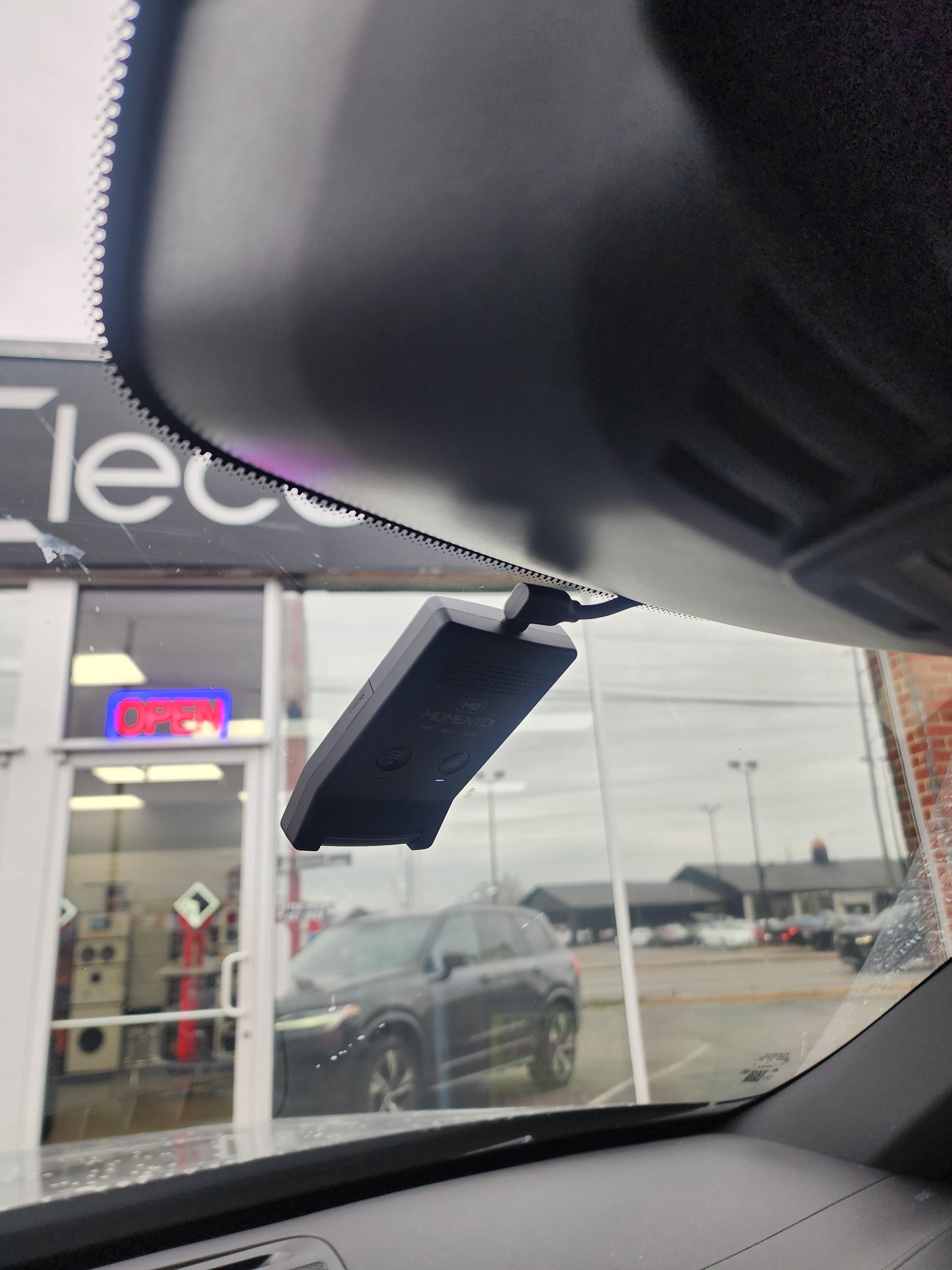
Take a look at the incredibly discreet integration in the second photo. You can see a Momento dash cam positioned perfectly behind the rearview mirror, with zero wires cluttering the windshield.

Momento is part of the Firstech and Compustar family—the industry leaders in automotive security and remote start systems. This lineage means their cameras are built with a deep understanding of complex vehicle electrical systems. They offer high-definition recording, excellent night vision, and a robust “Parking Mode” that monitors your vehicle even when the engine is off.

At Audio Electronics, we choose Momento because their systems are designed to look and function like factory-installed equipment, rather than a generic aftermarket add-on.


Part 2: Ditch the Dangling Wires: The Signature of Professional Hardwiring

Anyone can stick a camera to the glass and plug a power cord into the cigarette lighter, leaving a wire hanging straight down the dashboard. But your vehicle deserves better.

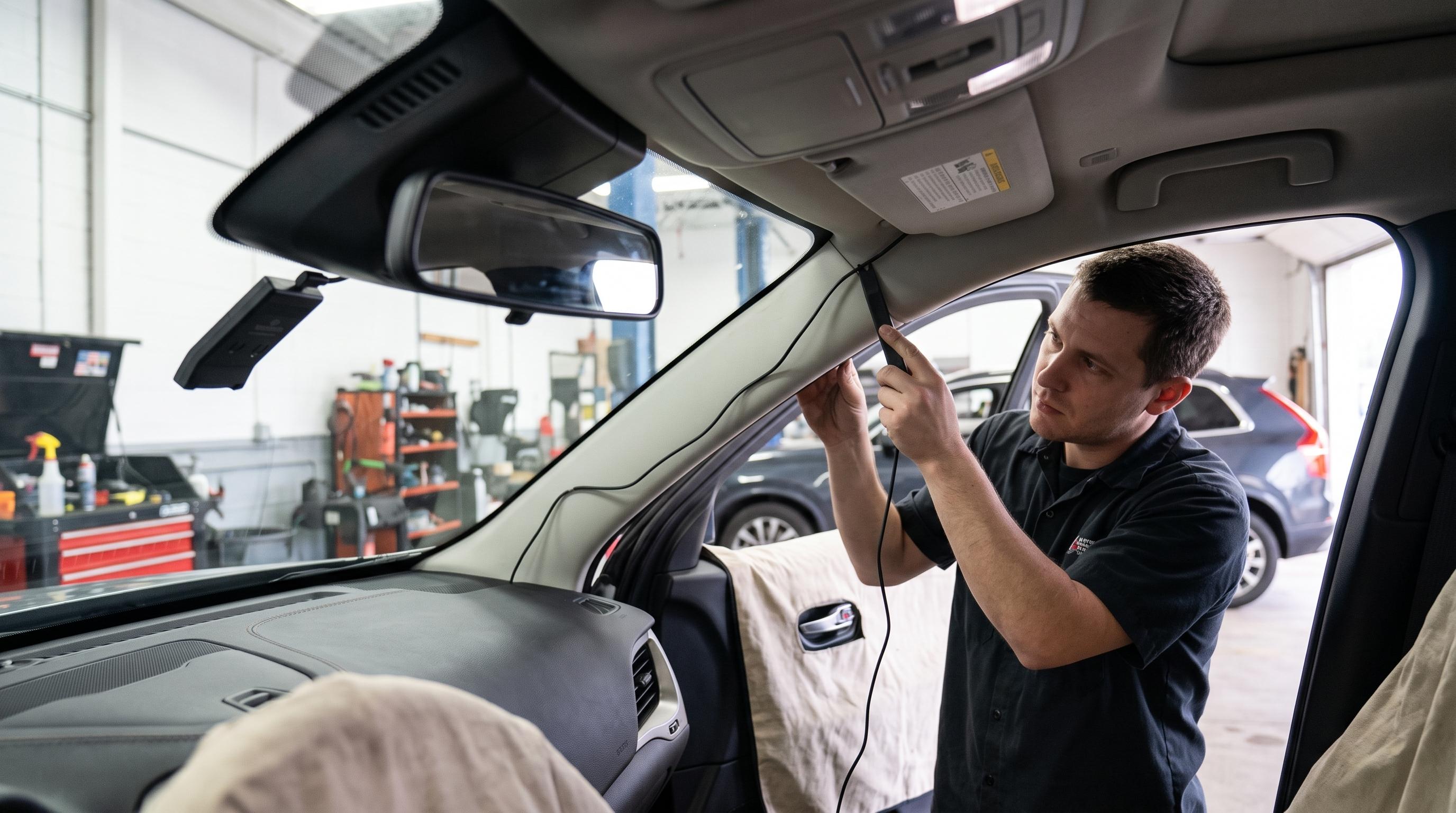
Take a closer look at the first photo featuring the dual setup. We integrated a compact dash cam alongside a Uniden radar detector. Notice what is missing? The wires. By utilizing precision mirror-stem mounts and our expertise in automotive electronics, we perform flawless, hardwired integrations.

Key Advantages of Our Professional Hardwired Installation:

  • Zero Clutter: Every single cable is discreetly routed behind your vehicle’s headliner and A-pillar trim. Your view remains completely unobstructed, and your dashboard stays clean.
  • Free Accessory Ports: Hardwiring means your 12V cigarette lighter and USB ports remain free for charging your phone.
  • Intelligent Power Management: We hardwire the system directly to the vehicle’s fuse box. This allows the camera to automatically power on with the ignition, and provides a safe, steady power draw for Parking Mode without draining your main car battery.

Step into the Extraordinary: Get Peace of Mind with a Clean Aesthetic

Don’t settle for a DIY setup that leaves your interior looking like a messy tech aisle. You can have premium protection and driver awareness while keeping your cockpit pristine.

Ready to upgrade your daily commute with a professionally integrated, hardwired dash cam or radar detector?

Contact Audio Electronics Indy today to schedule your clean install!
📍 5353 N. Keystone Ave, Indianapolis
📞 (317) 253-2495

The Premium Difference: Why We Only Install the World’s Best Automotive Electronics

The modern vehicle is a highly sophisticated network of advanced computers, sensitive electrical circuits, and intricate data buses. Upgrading your vehicle’s technology is no longer as simple as splicing a few wires and swapping out a radio. Today, achieving a flawless, concert-quality audio experience or integrating seamless modern conveniences requires an expert understanding of automotive architecture.

However, even the most skilled installation cannot overcome the limitations of inferior hardware. In an era where cheap, unbranded electronics flood online marketplaces, drivers often find themselves dealing with parasitic battery drains, software glitches, blown fuses, and deeply disappointing sound quality.

At Audio Electronics, we take a fundamentally different approach. As Indianapolis’s premier mobile electronics shop since 1973, we know that a truly high-end car stereo installation requires a foundation built on uncompromising quality. We have spent decades vetting manufacturers, which is why we exclusively partner with the elite brands in the automotive aftermarket industry: Sony, Alpine, Kenwood, JL Audio, Focal, Mosconi, and Compustar.

Here is an in-depth look at why we choose these premium brands, and the distinct advantages they bring to your daily drive.


The Command Center: Sony, Alpine, & Kenwood

The head unit (or stereo receiver) is the central nervous system of your custom car electronics. It dictates how you interact with your media, how your smartphone connects, and the initial quality of the audio signal being sent to your speakers. We rely on the heavyweights of automotive multimedia to provide a flawless user experience.

  • Sony: Sony’s premium Mobile ES line is engineered for the modern driver. These receivers feature exceptionally fast processors, high-resolution capacitive touchscreens with anti-glare technology, and flawless wireless Apple CarPlay and Android Auto integration. Furthermore, Sony utilizes high-grade internal Digital-to-Analog Converters (DACs) to ensure the audio signal leaving the radio is as pure as possible.
  • Alpine: A historic legend in the car audio world, Alpine is renowned for its massive “floating” touchscreen displays (like the critically acclaimed Halo series). These units allow drivers to integrate massive 9-inch or 11-inch displays into older vehicles without modifying the factory dashboard. Alpine also leads the industry in camera integration, allowing for high-definition backup and blind-spot cameras.
  • Kenwood: Kenwood’s eXcelon series is the benchmark for audiophiles who demand granular control over their sound. These units feature robust pre-amplifier outputs, extensive multi-band equalizers, and unparalleled reliability. Kenwood receivers also offer seamless integration with high-end dash cams, allowing you to view and manage security footage directly from your dashboard screen.

The Concert Experience: JL Audio & Focal

Upgrading your head unit provides a clean signal, but the actual physical movement of air—the sound you hear and feel—relies entirely on your speakers and subwoofers. For Premium car audio Indianapolis, we trust two brands to deliver the ultimate acoustic experience.

  • JL Audio (The Bass Authority): When it comes to low-frequency reproduction, JL Audio is the undisputed global standard. As a premier JL Audio dealer in Indy, we utilize their equipment to deliver incredibly deep, chest-thumping, and distortion-free bass. Unlike cheap subwoofers that simply vibrate and produce “muddy” noise, JL Audio’s W6 and W7 series subwoofers reproduce bass notes with absolute surgical accuracy. Furthermore, JL Audio provides industry-leading marine and powersport audio, ensuring your boat or off-road vehicle sounds just as good as your luxury sedan.
  • Focal (The Audiophile Choice): Handcrafted in France, Focal is synonymous with high-fidelity sound. Installing Focal car speakers transforms the cabin of your vehicle into a private concert hall. Focal engineers their components using exotic materials (like flax cones and inverted dome tweeters) to produce a “soundstage” effect. This means the music doesn’t just sound loud; it sounds three-dimensional, making it feel as though the vocalist is performing directly in front of you on the dashboard.

The Brains & Brawn: Mosconi

To push premium speakers to their absolute limits without distortion, you need pristine power and intelligent acoustic tuning. This is where Italian engineering takes over.

  • Surgical Precision with a Mosconi DSP: A vehicle’s cabin is arguably the worst possible acoustic environment. Glass reflects sound, plush seats absorb it, and the driver sits closer to the left speaker than the right. A Mosconi Digital Signal Processor (DSP) solves this. It allows our expert technicians to apply “time alignment,” delaying the sound from the closer speakers by a fraction of a millisecond so that all frequencies hit your ears at the exact same time. The result is a perfectly centered, lifelike audio image.
  • Unadulterated Power: Mosconi amplifiers provide massive amounts of clean, highly efficient power to drive your JL Audio subwoofers and Focal speakers. Despite their immense output, Mosconi amplifiers are engineered with a compact footprint, allowing our fabrication team to seamlessly integrate them into custom, hidden amp racks in your trunk or under your seats.

Ultimate Protection & Convenience: Compustar

Once you have invested in a bespoke, high-end audio and lighting system, protecting that investment is paramount. Furthermore, premium vehicles deserve premium climate convenience.

  • Compustar Remote Start: Factory remote starts are notoriously weak, often requiring you to be within 30 feet of the vehicle with a clear line of sight. Compustar remote start systems completely eliminate this limitation. Their advanced two-way remotes offer ranges of up to 3 miles, providing visual and auditory confirmation that your engine is running and your cabin is warming up before a harsh Indiana winter commute.
  • DroneMobile Smartphone Integration: Compustar’s DroneMobile technology allows you to lock, unlock, GPS track, and start your vehicle from anywhere in the world using your smartphone.
  • Bulletproof Security: Compustar security systems utilize dual-stage shock sensors, digital tilt sensors (to prevent wheel theft), and advanced starter-kill switches. If someone tampers with your vehicle, the system instantly alerts your two-way remote or your smartphone, providing ultimate peace of mind.

The Audio Electronics Advantage

Purchasing the world’s best automotive electronics is only the first half of the equation; the second half is professional, masterful integration. Audio Electronics is a complete mobile electronics sales and installation outlet. Our highly trained and knowledgeable installation team ensures that every wire is properly fused, every panel is carefully removed and replaced, and every system operates in perfect harmony with your vehicle’s factory computers.

We do not cut corners, and we do not settle for “good enough.” We use our in-depth knowledge, experience, and expertise to help you create the car audio, video, and security system of your dreams, ensuring your vehicle’s warranty remains intact and your daily drive is permanently elevated.

Custom LED Lighting: Elevating Your Vehicle’s Interior and Exterior Aesthetics

The modern automotive industry has witnessed a paradigm shift in how drivers perceive their vehicles. No longer just a utilitarian mode of transportation, a car, truck, or SUV is widely considered an extension of the owner’s personality and lifestyle. While aftermarket wheels, suspension modifications, and audio system upgrades have long been the standard for automotive personalization, a new frontier has rapidly taken center stage: custom car LED lighting.

From subtle, luxurious cabin illumination to aggressive, show-stopping exterior glows, LED technology has revolutionized vehicle aesthetics. This comprehensive guide explores the multifaceted world of automotive lighting, detailing how professional upgrades can transform your vehicle and why expert installation is paramount for safety and longevity.


The Evolution of Automotive Illumination

Historically, vehicle lighting served a strictly functional purpose. Halogen bulbs illuminated the road ahead, while basic incandescent dome lights provided just enough interior visibility to read a map. Today, Light Emitting Diode (LED) technology has completely changed the landscape. LEDs draw significantly less power from the vehicle’s electrical system, produce far less heat, and offer a lifespan that typically outlasts the vehicle itself.

More importantly for automotive enthusiasts, LEDs offer unprecedented versatility. With the advent of RGB (Red, Green, Blue) and RGBW (incorporating a dedicated white diode) technology, drivers can now choose from millions of color combinations, dynamic patterns, and brightness levels, all controlled seamlessly via a smartphone application or a dedicated radio receiver interface.


Interior Car Lights Installation: Crafting Your Cockpit

The interior of your vehicle is your personal sanctuary on the road. High-end luxury manufacturers have long utilized ambient lighting to create a specific mood within the cabin, and now, that same premium feel can be integrated into any make or model through professional interior car lights installation.

When designing an interior lighting scheme, professional installers generally focus on several key zones to create a cohesive and sophisticated look:

  • Ambient Dash and Door Contours: Utilizing precision-engineered fiber optic lines illuminated by powerful LED drivers, technicians can trace the natural architectural lines of your vehicle’s dashboard and door panels. This provides a soft, continuous glow that mimics the factory-installed ambient lighting found in modern luxury sedans.
  • Footwell Illumination: Placing strategic lighting under the dashboard and beneath the front seats serves a dual purpose. Aesthetically, it grounds the interior design and adds immense depth to the cabin. Practically, it assists passengers in navigating the vehicle at night and locating dropped items without the need for a blinding overhead dome light.
  • Center Console and Cupholder Accents: Highlighting the center console adds a futuristic touch to the driving environment. It seamlessly integrates the vehicle’s controls into the overall lighting theme, making night driving a highly visual, immersive experience.

For drivers seeking ambient car lighting in Indianapolis, achieving a factory-quality finish requires exact measurements and the discreet hiding of all power supplies. A properly executed interior upgrade should look entirely stock when turned off, revealing its custom nature only when the lights power on.


Exterior Lighting: Making a Statement on the Streets

While interior lighting is about personal ambiance, exterior lighting is designed to turn heads. For car show enthusiasts, custom modifiers, and younger demographics looking to make a bold statement, exterior LEDs are an essential modification.

The Resurgence of Truck Underglow

Once a staple of the early 2000s tuning scene, underglow has returned with vastly superior technology. Today’s truck underglow and car underbody kits utilize high-density LED strips encased in durable, impact-resistant, and weather-proof (IP68-rated) silicone tubing.

Modern underglow systems offer advanced features such as:

  • Zonal Control: The ability to run different colors on the front, rear, and sides of the vehicle simultaneously.
  • Music Synchronization: Advanced controllers that pulse and change colors in exact time with the beat of your custom car audio system.
  • Chasing and Sequencing: Addressable LEDs that allow light to “travel” around the vehicle rather than simply blinking on and off.

Wheel Well and Grille Illumination

To complement an underbody kit, many enthusiasts opt for wheel well lighting (often referred to as rock lights, particularly in the off-road and truck communities). These intensely bright, localized pods illuminate the vehicle’s suspension components and wheels, creating a floating effect at night. Similarly, placing LED strips behind the front grille highlights the vehicle’s aggressive front fascia and engine components, adding a menacing or high-tech aesthetic depending on the chosen color profile.

Note regarding exterior lighting: It is important to consult local state laws regarding exterior vehicle lighting while driving on public roads. In many jurisdictions, certain colors (like flashing red or blue) are strictly reserved for emergency vehicles. However, these systems are perfectly legal and highly encouraged for private lots, car shows, and off-road environments.


The Critical Importance of Professional Custom Car Electronics

With the rise of inexpensive online marketplaces, the market is flooded with DIY LED lighting kits. While the low price tag may be tempting, self-installation of custom car electronics often leads to disastrous results.

Modern vehicles operate on highly complex electrical systems, utilizing CAN bus networks and sensitive computer modules. Introducing an aftermarket lighting kit without a deep understanding of automotive electrical engineering poses several severe risks:

  1. Parasitic Battery Drain: Improperly wired lighting systems that bypass the vehicle’s ignition switch will slowly drain the battery while the car is parked, leaving you stranded.
  2. Fire Hazards: Using incorrect wire gauges, failing to properly fuse the new lighting circuits, or routing wires near high-heat engine components can easily result in electrical shorts and catastrophic vehicle fires.
  3. Aesthetic Failures: DIY installations frequently suffer from exposed wires, peeling adhesive strips, and uneven lighting diffusion, completely ruining the premium look the owner set out to achieve.

Investing in professional installation guarantees that the electrical load is properly calculated, fused, and safely integrated into the vehicle’s existing wiring harness. Professional technicians possess the specialized tools required to safely remove interior panels, route wiring invisibly behind the factory trim, and securely mount exterior components to withstand highway speeds, rain, and road debris.


Elevate Your Drive with Audio Electronics

Whether you are looking to create a calming, luxurious atmosphere for your daily commute or build a show-stopping exterior profile for the weekend car meet, premium LED lighting is the ultimate expression of automotive individuality. The difference between a cheap accessory and a breathtaking vehicle transformation lies entirely in the quality of the components and the expertise of the installation.

Since 1973, Audio Electronics has been Indianapolis’s premier mobile electronics shop, specializing in custom audio, video, and electronic installations. Our expert staff understands the intricacies of modern vehicle electrical systems and carries top brands to accommodate any budget or project.

Would you like me to help you schedule a consultation at our shop at 5353 N. Keystone Ave to discuss a custom LED lighting design tailored specifically for your vehicle?

The Definitive Path to Superior Sound: A Comprehensive Guide to Car Audio Upgrades

Redefining Your Daily Drive

For many commuters and automotive enthusiasts, the vehicle is more than just a mode of transportation; it is a sanctuary, a mobile office, and, crucially, a primary listening room. Yet, despite advancements in vehicle technology, automotive manufacturers frequently compromise on one critical area: the sound system.

The unfortunate reality is that most factory-installed audio systems are engineered based on budgetary constraints rather than acoustic performance. They often utilize low-cost components designed merely to produce sound, rather than an immersive musical experience. The result is often muddy, distorted audio that lacks clarity, depth, and emotional impact.

If you find yourself uninspired by your current listening experience, a professional car audio upgrade is the solution. This guide serves as a comprehensive resource for understanding the various tiers of aftermarket car audio. Whether you are seeking a basic improvement over stock components or chasing the pinnacle of high-fidelity car sound, understanding the upgrade path is essential to making informed decisions that align with your goals and budget.


Phase 1: Understanding the Limitations of OEM Audio

Before diving into upgrades, it is necessary to understand why Original Equipment Manufacturer (OEM) systems often underperform.

Modern vehicles are complex electronic ecosystems. To maintain competitive pricing, manufacturers often utilize inexpensive paper-cone speakers with small magnets and minimal power handling capabilities. Furthermore, the head unit (the radio in the dashboard) is typically designed with very low power output, which introduces significant distortion at higher volumes.

Finally, the automobile itself is an inherently hostile acoustic environment. It is filled with reflective surfaces like glass and plastic, alongside absorptive materials like carpet and upholstery, all while competing with road noise and engine vibration. A successful aftermarket car audio system does not just add better parts; it strategically overcomes these environmental challenges.


Phase 2: The Foundation – Essential Upgrades for Immediate Impact

The initial stage of upgrading focuses on replacing the weakest links in the audio chain. These upgrades provide the most significant audible improvement for a moderate investment.

1. Upgrading the Speakers

The most effective first step is replacing the factory door and dash speakers. Aftermarket speakers are constructed with superior materials—such as polypropylene, Kevlar, or silk—offering greater durability and vastly improved sound reproduction.

When searching for the best car speakers for your needs, you will generally encounter two types:

  • Coaxial Speakers: These are “all-in-one” units where the tweeter (for high frequencies) is mounted directly in front of the woofer (for mid-range frequencies). They are excellent for straightforward, drop-in replacements in factory locations.
  • Component Systems: This configuration separates the tweeter and the woofer into distinct drivers, utilizing an external crossover network to direct frequencies appropriately. This allows for optimal placement of the tweeter (usually higher up on the dash or pillar) to raise the soundstage and improve imaging.

2. Acoustic Treatment (Sound Deadening)

An often-overlooked but critical component of a quality installation is sound dampening. Applying specialized acoustic material inside door panels reduces metal resonance and road noise. This treatment effectively turns the car door into a much better speaker cabinet, resulting in tighter mid-bass response and a dramatically quieter cabin floor for your music.


Phase 3: Power and Depth – The Intermediate Tier

Once high-quality speakers are installed, the limitations of the factory power source become apparent. The intermediate tier focuses on supplying clean power and filling out the frequency spectrum.

1. Adding Amplifiers

Factory radios often produce only 10-15 watts of power per channel, which is insufficient for driving high-quality aftermarket speakers effectively. When pushed, these radios send a clipped, distorted signal that can damage new speakers.

A dedicated aftermarket amplifier provides clean, high-current power. This is not merely about achieving louder volume; it is about “headroom.” An amplified system plays music effortlessly at normal listening volumes with greater dynamics, detail, and clarity.

2. Integrating Subwoofers

A common misconception is that subwoofers are solely for creating earth-shaking bass meant to disturb the peace. In reality, a properly integrated subwoofer is essential for a full-range musical experience.

Most door speakers cannot accurately reproduce frequencies below 80Hz. A subwoofer handles these low frequencies, adding warmth, depth, and impact to the music—from the kick drum in a rock track to the lowest octave of a piano. Subwoofer solutions range from compact, under-seat powered enclosures to custom-fabricated truck boxes, catering to desired bass levels and available cargo space.


Phase 4: The Audiophile Experience – High-Fidelity Precision

The upper echelon of car audio aims to replicate the experience of a high-end home listening room within the vehicle. This stage requires precise control over the acoustic environment.

The Digital Signal Processor (DSP)

The DSP is the brain of a high-fidelity car sound system. Because a driver sits off-center in a car (closer to the left speakers than the right), the sound from the left reaches the ears microseconds before the sound from the right, destroying the stereo image.

A professional tuner uses a DSP to apply:

  • Time Alignment: Delaying the closest speakers so sound from all drivers arrives at the listener’s ears simultaneously, creating a centered “soundstage” on the dashboard.
  • Parametric Equalization: Precise adjustments to flatten frequency response peaks and valleys caused by the car’s interior acoustics.
  • Active Crossovers: Sending exact frequency ranges to specific speakers for maximum efficiency and clarity.

The Critical Importance of Professional Installation

While the components are vital, the execution of the installation is paramount. Modern vehicles are highly integrated, involving complex data-bus systems, active noise cancellation microphones, and safety sensors. Incorrect wiring or improper integration can lead to vehicle malfunction, voided warranties, or safety hazards.

For residents in Central Indiana, seeking professional car stereo installation in Indianapolis ensures that your equipment performs to its specifications without compromising vehicle integrity. A professional installer possesses the necessary tools for safe disassembly, the expertise to integrate with modern infotainment systems smoothly, and the acoustic knowledge to tune the system for the specific vehicle environment.

Why Professional Car Audio Installation Beats DIY

How Professional Car Audio Installation Enhances Your Driving Experience

Most people think DIY car audio upgrades save money. The truth is, shortcuts often lead to costly mistakes and frustration. Professional car audio installation offers precision and reliability that keep your system sounding great for years. Let’s break down why expert car audio work beats DIY every time and how it can truly improve your driving experience.

Understanding Professional Car Audio Installation

What Sets Professional Installation Apart

When it comes to car audio, there’s a world of difference between DIY attempts and expert car audio installations. Professional installers bring years of training and hands-on practice to each project. They’ve worked with countless vehicles and audio systems, giving them insights that the average car owner simply doesn’t have.

Think about it like this: would you try to fix your own transmission? For most of us, that’s a clear “no.” Car audio systems might seem simpler, but today’s integrated vehicle electronics are incredibly complex. Professionals understand how to work with your specific make and model, avoiding costly mistakes that could damage your vehicle’s electrical system or void warranties.

The Hidden Complexities of Modern Car Audio

Modern vehicles aren’t just transportation – they’re rolling computers. Many cars now feature integrated systems where the audio connects to navigation, backup cameras, and even engine management computers. This integration makes DIY work risky business.

Professional car audio installation technicians stay current with training on the newest vehicles and systems. They know how to:

  • Work with factory integration modules

  • Properly tap into existing wiring without causing damage

  • Program components to work with your specific vehicle

  • Maintain warranty coverage when possible

The Real Costs: DIY vs. Professional Installation

Beyond the Price Tag

When comparing DIY vs. professional installation, many people focus only on the upfront service fee. This narrow view misses the bigger financial picture. Let’s break down the true costs:

DIY hidden costs often include:

  1. Buying specialized tools you’ll use only once

  2. Purchasing the wrong parts or adapters

  3. Damage to expensive vehicle components

  4. Time spent troubleshooting problems

  5. Potential electrical issues down the road

Professional installation might seem more expensive initially, but it includes:

  1. Proper equipment selected for your specific needs

  2. Warranty on labor and installation

  3. Expertise that prevents costly mistakes

  4. Time savings (your weekend remains free)

  5. Peace of mind knowing it’s done right

The Value of Proper Wiring and Power Management

One area where professional car audio installation truly shines is in power management. Poor wiring is the number one cause of system failures and can even lead to vehicle fires in extreme cases.

Professionals follow strict guidelines for:

  • Proper gauge wire selection based on amperage needs

  • Correct fusing at all critical points

  • Secure connections that won’t loosen over time

  • Clean wire routing that prevents interference

  • Proper grounding techniques essential for performance

Sound Quality Improvements Through Professional Installation

Acoustic Considerations Professionals Address

Car interiors are challenging acoustic environments filled with reflective surfaces, odd shapes, and various materials that all affect sound. Professional installers understand these challenges and know how to work around them.

Expert car audio technicians consider:

  • Speaker placement for optimal sound staging

  • Sound dampening to reduce vibrations and road noise

  • Crossover settings that match your specific speakers

  • Time alignment to create a cohesive soundstage

  • Equalization tailored to your vehicle’s acoustic properties

The Art of Sound Tuning

After installation comes one of the most valuable aspects of professional work: proper tuning. This isn’t just turning knobs randomly – it’s a scientific process that requires training and specialized equipment.

Professional tuning includes:

  • Setting precise crossover points between speakers

  • Adjusting time alignment for proper soundstage

  • Creating custom equalization curves for your vehicle

  • Balancing output levels between all components

  • Fine-tuning based on your musical preferences

Safety and Reliability Benefits

Protecting Your Vehicle’s Electrical System

Your car’s electrical system is complex and carefully balanced. Amateur installations can disrupt this balance, leading to drained batteries, check engine lights, or even computer system failures.

Professional car audio installation includes:

  • Load testing to ensure your alternator can handle additions

  • Proper fusing to protect both new equipment and factory systems

  • Battery upgrades when needed for high-power systems

  • Integration that works with factory computer systems

  • Testing for parasitic drain that could kill your battery

Physical Installation Security

Beyond electrical concerns, physical installation security matters too. Poorly mounted equipment can become dangerous projectiles in an accident. Professionals secure everything properly, considering both safety and aesthetics.

Expert installers ensure:

  • Speakers are securely mounted with proper backing

  • Amplifiers are attached to solid structural points

  • Subwoofer enclosures are anchored to prevent movement

  • All components are installed to withstand vibration

  • No airbag systems or safety features are compromised

Customization Options Available Through Professionals

Beyond Basic Installations

Professional shops offer customization options that go far beyond simple component swaps. These options can truly transform your driving experience while maintaining a factory-like appearance.

Popular car audio upgrades include:

  • Custom speaker locations for improved imaging

  • Fabricated subwoofer enclosures that preserve cargo space

  • Integrated amplifier installations that remain hidden from view

  • Custom dash modifications for larger screens

  • Lighting integration that enhances both sound and appearance

Integration With Modern Technology

Today’s car audio isn’t just about music – it’s about creating a connected experience. Professional installers can integrate your audio system with modern technologies that DIY installations often can’t accommodate.

Professional integration can include:

  • Apple CarPlay and Android Auto installations

  • Bluetooth calling and streaming capabilities

  • Backup camera systems that work with your new head unit

  • Smartphone control of your entire system

  • Voice command functionality that works seamlessly

Maintaining Your Investment

Warranty and Service Benefits

One often overlooked benefit of professional car audio installation is the warranty protection it provides. Most shops stand behind their work with guarantees that protect your investment.

Professional installation typically includes:

  • Labor warranty covering installation issues

  • Relationship with a shop for future upgrades

  • Access to professional troubleshooting if problems arise

  • Protection of manufacturer warranties on components

  • Documentation of work performed for insurance or resale purposes

Long-Term Performance Considerations

A properly installed system doesn’t just sound better on day one – it continues performing years later. Professionals build systems with longevity in mind, using techniques that prevent common failure points.

Long-term benefits include:

  • Connections that don’t loosen from road vibrations

  • Proper ventilation for components to prevent heat damage

  • Strategic placement that protects equipment from environmental factors

  • Clean wire routing that prevents wear and shorts

  • Documentation for future service or upgrades

Making the Right Choice for Your Needs

Questions to Ask When Choosing an Installer

Not all professional installers offer the same quality or expertise. Here are some questions to ask when selecting a shop for your car audio upgrades:

  1. How long have you been in business?

  2. Do you have installation certifications from manufacturers?

  3. Can I see examples of previous installations similar to what I want?

  4. What kind of warranty do you offer on labor?

  5. Do you have experience with my specific vehicle make and model?

What to Expect During the Professional Installation Process

Understanding the professional installation process helps set proper expectations for your project:

  1. Initial consultation to understand your goals and budget

  2. System design recommendations based on your vehicle

  3. Scheduling with realistic timeframes (quality work takes time)

  4. The installation itself, which may take 1-3 days for complex systems

  5. Final testing and tuning to your preferences

  6. Tutorial on how to use your new system effectively

Dash Cams vs. Backup Cameras: Which is More Essential for Your Safety?

Dash Cams vs. Backup Cameras: A Comprehensive Guide for New and Rideshare Drivers

Most drivers think backup cameras cover all their safety needs. Yet, crashes still happen in tight spots and on busy streets. Choosing between the best dash cams for cars and parking assistance cameras can change how you protect yourself behind the wheel. This guide breaks down what each tech offers and which suits your driving style best.

Understanding Vehicle Safety Technology

The Basic Differences

When we talk about car safety gadgets, dash cams and backup cameras serve completely different purposes. Backup cameras (sometimes called reverse cameras) show you what’s directly behind your vehicle when you’re in reverse. They’re great for parking and avoiding obstacles you can’t see through your rear window.

Dash cams, on the other hand, are like having a personal witness on the road. They record everything that happens while you’re driving, creating video evidence if anything goes wrong. The best dash cams for cars can capture crystal-clear footage of accidents, near-misses, or even just beautiful scenery on your road trips.

How They Work

Backup cameras activate when you shift into reverse. They’re usually mounted near your license plate and send video to your dashboard display. Since 2018, they’ve been required in all new cars sold in the US because they help prevent backing-up accidents.

Dash cams work differently. They’re typically attached to your windshield or dashboard and record continuously while your car is running. Some fancy models even have parking mode, which means they’ll start recording if they detect motion or impact while your car is parked.

Dash Cam Benefits That Might Surprise You

Legal Protection On Wheels

One of the biggest reasons drivers invest in dash cams is for protection against false claims. Imagine someone cuts you off, causes an accident, then tells the police it was your fault. Without witnesses, it’s your word against theirs. But with dash cam footage? You’ve got solid proof of what actually happened.

For rideshare drivers especially, this protection is priceless. When you’re constantly picking up strangers, having a record of each ride can protect you from false accusations or disputes.

Insurance Advantages

Did you know some insurance companies offer discounts if you have a dash cam installed? It makes sense from their perspective – clear video evidence makes claims processing faster and prevents fraud.

Even without a discount, having footage of an accident can speed up your claim and help make sure you’re not blamed for something that wasn’t your fault. This alone can save you thousands in the long run.

Monitoring New Drivers

If you’re a parent with a teen driver, dash cams provide peace of mind. You can review their driving habits, offer coaching, and make sure they’re staying safe when you’re not in the car. Some advanced models even track speed and send alerts if they detect dangerous driving behaviors.

The Case for Backup Cameras

Parking Made Simple

Let’s be honest – parking can be stressful, especially in tight spaces. Backup cameras take the guesswork out of reverse parking by showing you exactly how much space you have. Many systems even include guide lines that show your trajectory as you turn the wheel.

For new drivers still getting comfortable with spatial awareness, parking assistance cameras can be a confidence booster. They help you avoid those embarrassing (and potentially expensive) bumper scrapes and fender benders.

Preventing Tragic Accidents

The most important function of backup cameras isn’t convenience – it’s safety. Every year, children are injured or killed in “backover” accidents when drivers can’t see them behind vehicles. Backup cameras help prevent these tragedies by expanding your field of vision.

This is especially important with larger vehicles like SUVs and trucks, which have significant blind spots. The camera lets you spot obstacles – whether it’s a bike, a pet, or a child – that you might miss using just your mirrors.

Backup Camera Installation Options

If your car didn’t come with a factory-installed backup camera, don’t worry. Aftermarket backup camera installation is more affordable and simpler than you might think. Options range from:

  • Wireless systems that connect to your smartphone

  • Replacement rearview mirrors with built-in screens

  • Full dashboard display systems

The installation process varies based on the system you choose. While some wireless options are DIY-friendly, hardwired systems might require professional installation for the best results.

Making the Right Choice for Your Needs

For New Drivers

If you’re just starting out on the road, which should you prioritize? Both technologies have value, but backup cameras might give you more immediate confidence. They help with one of the trickiest parts of driving – maneuvering in tight spaces.

That said, new drivers are also statistically more likely to be involved in accidents. A dash cam can provide valuable learning opportunities by allowing you to review your driving and identify areas for improvement.

For Rideshare Drivers

If you drive for Uber or Lyft, a dash cam isn’t just helpful – it’s practically essential. Beyond recording road incidents, many rideshare drivers opt for dual-facing cameras that record both the road and the interior of the vehicle.

This provides protection against passenger disputes and can deter bad behavior. Just make sure you’re following local laws about recording passengers – in some places, you need to clearly disclose that recording is taking place.

The Best of Both Worlds

Who says you have to choose? If your budget allows, having both systems gives you comprehensive protection. Many newer dash cam models actually include a rear camera component that can function similarly to a backup camera (though usually without the guide lines).

If you’re considering both, start with the one that addresses your biggest concern:

  • Worried about parking? Begin with a backup camera.

  • Drive in heavy traffic or accident-prone areas? A dash cam might be your priority.

  • Use your vehicle for business? Dash cam first, then add a backup camera when possible.

Top Features to Look For

Dash Cam Must-Haves

When shopping for the best dash cams for cars, consider these key features:

  1. Resolution: Look for at least 1080p for clear license plate visibility

  2. Wide-angle lens: 140 degrees or more gives better coverage

  3. Night vision: Essential for clear recordings after dark

  4. Loop recording: Automatically overwrites old footage when memory is full

  5. G-sensor: Detects collisions and saves that footage from being overwritten

  6. Storage capacity: Higher is better, with 32GB as a minimum

  7. Wi-Fi connectivity: Makes it easier to transfer and share videos

Backup Camera Essentials

For parking assistance cameras, prioritize:

  1. Weather resistance: Your camera will be exposed to the elements

  2. Night vision: Parking in dark areas requires good low-light performance

  3. Wide viewing angle: The more you can see, the better

  4. Guide lines: Dynamic lines that move with your steering are best

  5. Screen quality: A clear display makes all the difference

  6. Easy integration: Look for systems that work with your existing setup

Installation Considerations

DIY or Professional Help?

Backup camera installation can range from simple to complex depending on your vehicle and the system you choose. Wireless systems that connect to your smartphone or a battery-powered display are relatively straightforward DIY projects.

Hardwired systems that integrate with your car’s electrical system and display on your dashboard might require professional installation. The cost typically ranges from $100-300 for professional work, plus the price of the camera system itself.

Dash cams are generally simpler to install. Most models plug into your 12V outlet or USB port and attach to your windshield with a suction cup or adhesive mount. The biggest challenge is usually hiding the power cable for a cleaner look.

Placement Tips

For dash cams:

  • Mount high on the windshield near the rearview mirror for best coverage

  • Make sure it doesn’t obstruct your view of the road

  • Position it where your wipers can keep the windshield clean in front of it

For backup cameras:

  • The license plate frame area is the most common location

  • Ensure the camera is angled slightly downward to see the ground behind you

  • Keep the lens clean and clear of obstructions

The Final Verdict

Both dash cams and backup cameras serve important but different roles in your vehicle safety setup. Backup cameras help prevent accidents in the moment by expanding your vision, while dash cams provide evidence and protection after incidents occur.

For new drivers, the immediate feedback of a backup camera might be most valuable as you build confidence. For rideshare drivers, the legal protection of a dash cam is hard to beat.

The good news? Vehicle safety technology has become more affordable than ever. What was once luxury equipment is now accessible to most drivers. Whether you choose one or both, you’re making a smart investment in your safety and peace of mind on the road.

Remember that the best safety feature in any vehicle is still an alert, careful driver. These technologies are tools to help you, not replace good driving habits and awareness.

Which will you choose first? The answer depends on your specific needs, but either way, you’re taking a positive step toward safer driving.

Your Next Steps

Ready to upgrade your vehicle safety? Start by:

  1. Assessing your primary concerns (parking, accident protection, etc.)

  2. Setting a realistic budget

  3. Researching specific models that meet your needs

  4. Reading reviews from other drivers in similar situations

  5. Deciding whether you’ll install it yourself or seek professional help

With the right equipment and proper installation, you’ll be driving with greater confidence and protection in no time!