
Home / Window Tinting
Automotive Window Tint in Indianapolis
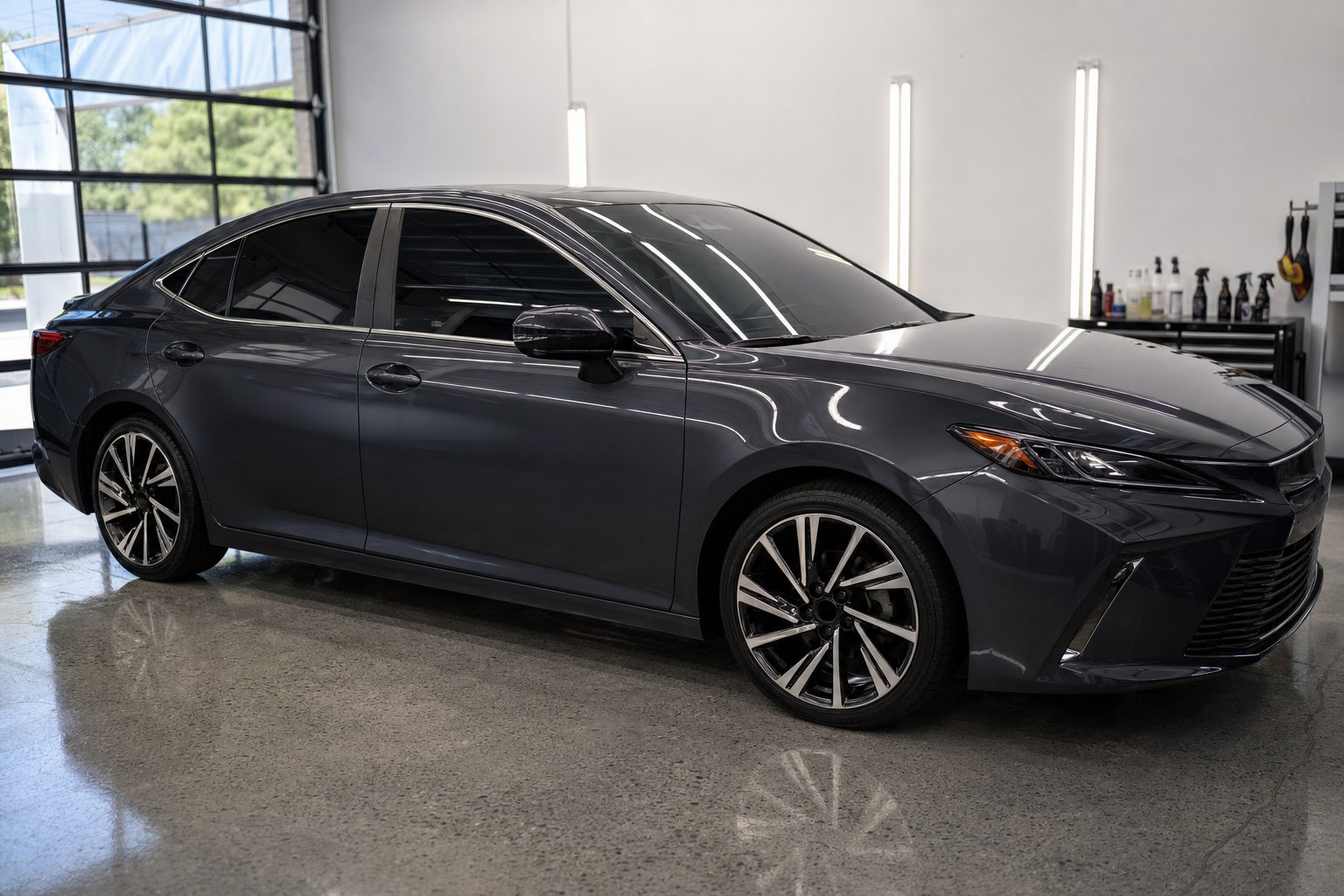
Window tinting is one of the smartest upgrades you can make. It protects your interior, keeps you comfortable and adds a layer of privacy that makes every drive feel more secure.
Why Indianapolis drivers tint
Quality window film blocks up to 99% of harmful UV rays, reduces heat buildup and cuts down on glare, which matters most during scorching Indiana summers.
It protects your upholstery from fading, keeps the cabin cooler in a parking lot and adds a layer of privacy that makes every drive feel more secure.
Films and shades
We help you pick a shade that gets the look you want. See every VLT grade side by side on the window tint page.
Ceramic Films
Top ceramic films reject the most infrared heat and UV without interfering with your phone, GPS or other electronics.
Carbon Films
A deep, matte, non-reflective finish that holds its colour and never fades to purple.
Precision Cut & Hand Applied
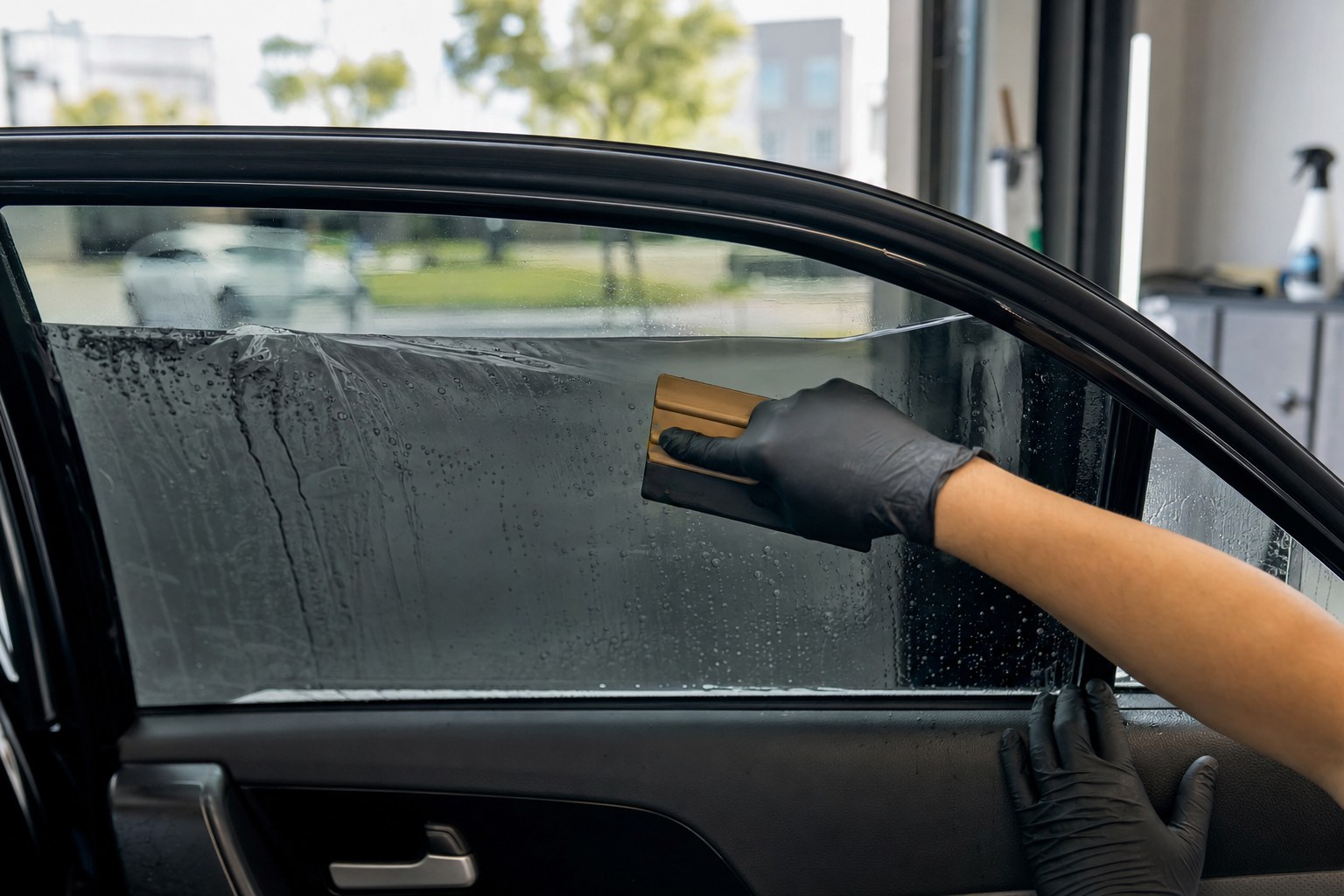
Every film is precision cut and hand applied for a flawless, factory-fitted look, in shades from near-clear to limo dark.
Tint grades (VLT)
Every shade lets through a different amount of light. Here is how the grades we install compare, darkest to lightest.
Limo dark. Maximum privacy and a deep, blacked-out look.
Very dark. Strong privacy with a bold, low profile.
Medium shade. A balanced, factory-sharp appearance.
Light shade. Subtle tint that stays bright inside.
Near clear. Heat and UV defence with barely any shade.
VLT = Visible Light Transmission. A lower number lets in less light, so the tint looks darker. Shown darkest to lightest.
Ceramic and carbon films reject infrared heat and block up to 99% of UV rays.
Choose your exact look, from limo-dark privacy to a near-clear heat shield.
Installed in-house on Keystone Avenue
No mall kiosks and no mobile vans: tint is installed at the shop at 5353 N Keystone Ave by our own installers and backed by the shop, the same way we have done business in Indianapolis since 1973.
Tint customers say it best
Real reviews from the shop’s Google profile.
I trust all my car audio work with Audio Electronics, from my remote start drone system to subwoofer to Apple car play to window tint. They do it all and do it very well and can recommend and do custom work to suit your needs. Josh the owner and the whole crew have tons of experience.
Get a free tint quote
Call or send the quote form and tell us your vehicle. We will recommend a film and shade for how you drive.
Common questions
How dark can I legally tint my windows in Indiana?
Indiana sets a floor on how much light has to pass through the front side windows: under Indiana Code 9-19-19-4 they must let at least 30 percent of light through, and film on those windows is also capped on how reflective it can be. Non-reflective film is allowed on the windshield above the manufacturer's AS-1 line. We measure your glass and recommend a shade that stays inside the limit, so bring the vehicle by and we will show you what each shade actually looks like on it.
What is the difference between ceramic and carbon film?
Both are non-metallic, which is the important part: they will not interfere with your vehicle's electronics the way older metallic films could. We carry a range from subtle shades for a clean factory look through to darker film for maximum privacy, and we will talk through which one suits how and where you drive.
Does window tint actually block heat and UV?
Yes. Tint blocks up to 99 percent of harmful UV rays, cuts heat build-up inside the car and reduces glare, which is what makes the difference during an Indiana summer. It also protects your interior from fading and adds privacy.