The Ultimate Guide to Car Audio Systems: What Every Driver Should Know
First-Time Driver’s Guide to Upgrading Car Audio Systems
Most first-time drivers think all car audio systems sound the same until they hit the road. That’s when you realize your music doesn’t come close to what it could be. Upgrading your vehicle sound upgrades can turn every drive into something worth looking forward to, but knowing where to start with car stereo installation can feel overwhelming. This guide lays out everything you need to pick the best car speakers and get your sound right.
Why Your Factory Audio System Isn’t Cutting It
Let’s be real here. Car manufacturers aren’t in the business of creating amazing sound systems. They’re focused on getting vehicles out the door at a price point that works for most buyers. That means your factory setup probably has cheap speakers, a basic head unit, and minimal sound processing.
You’ll notice this the moment you crank up your favorite song. The bass sounds muddy, the highs are tinny, and everything gets distorted when you turn up the volume past halfway. It’s not your music’s fault. Your car audio systems just weren’t designed for people who actually care about sound quality.
Think about it this way. You spent thousands on your car, but the audio setup probably cost the manufacturer less than a hundred bucks. That’s why upgrading makes such a huge difference. Even entry-level aftermarket components blow factory systems out of the water.
Understanding the Basic Components
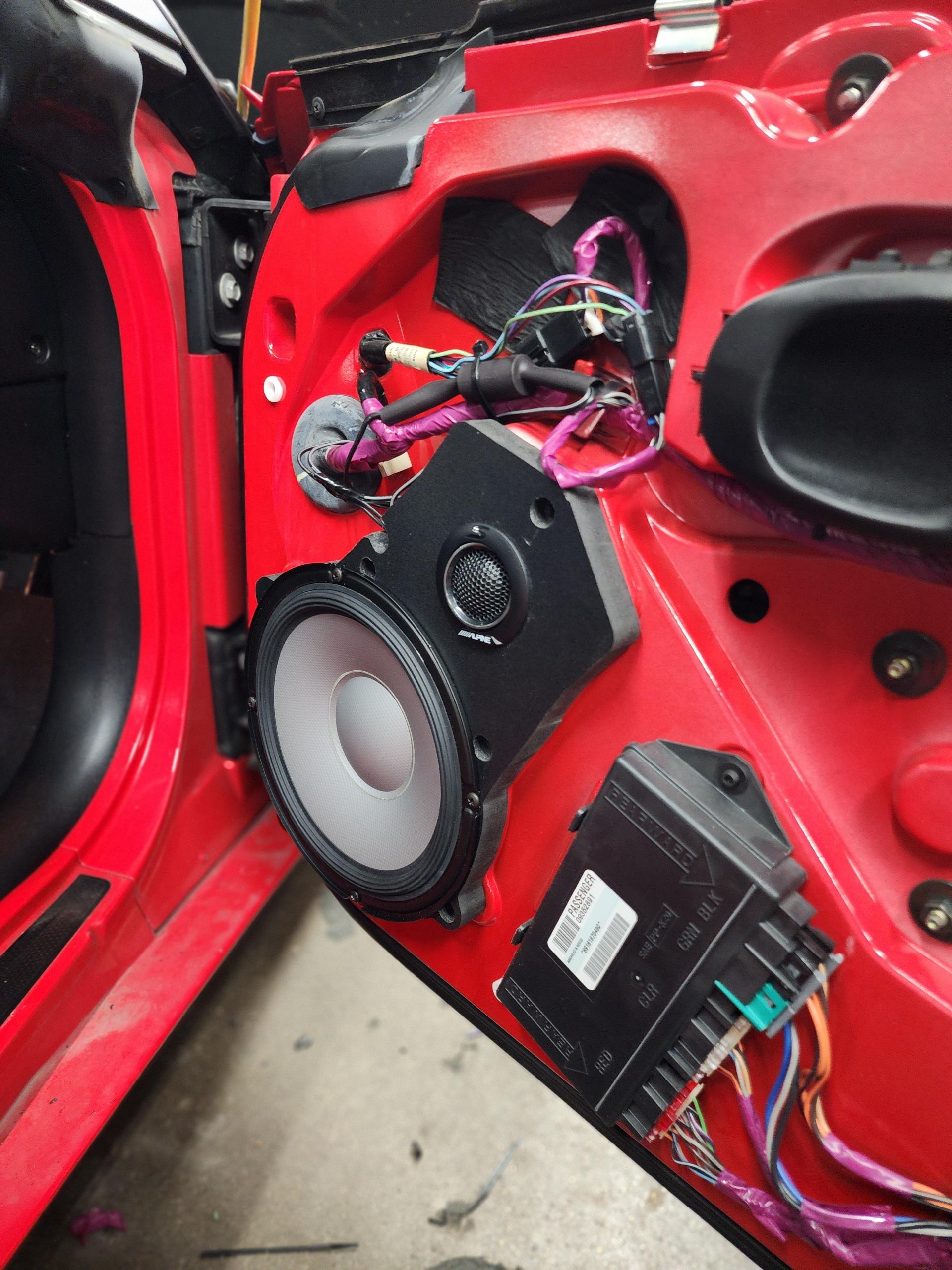
Before you start shopping, you need to know what actually makes up car audio systems. It’s not as complicated as it sounds, I promise.
The Head Unit
This is your stereo’s brain. It’s the thing on your dashboard with all the buttons and the screen. Modern head units do way more than play CDs. They connect to your phone, stream music, and control every aspect of your sound.
When you’re looking at car stereo installation, the head unit is often the first thing to replace. A good one gives you better sound processing, more power to your speakers, and features like Apple CarPlay or Android Auto. You can find solid options starting around $150, or go all out with touchscreen models that cost several hundred.
Speakers
Your speakers turn electrical signals into the sound you hear. Factory speakers use cheap materials that break down over time. The best car speakers use better cones, stronger magnets, and smarter designs to create clearer, louder, more accurate sound.
There are a few types you should know about. Component speakers separate the tweeter (high frequencies) from the woofer (mid and low frequencies). Coaxial speakers combine everything into one unit. Components sound better but cost more and take longer to install.
Amplifiers
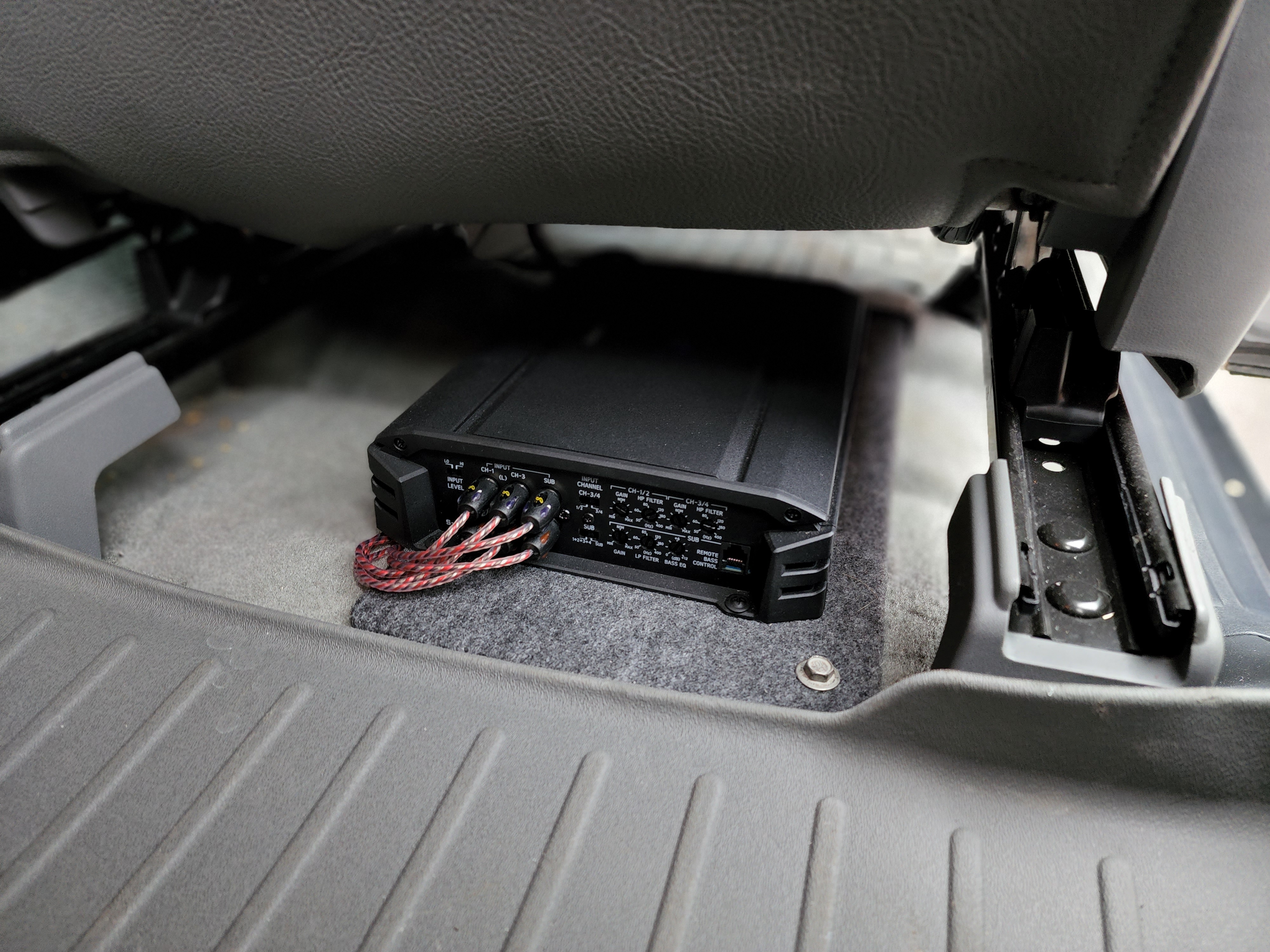
An amp takes the signal from your head unit and boosts it before sending it to your speakers. Factory systems usually have weak built-in amps that can’t push enough power. Adding an external amp means your speakers can perform at their full potential without distortion.
You don’t always need an amp right away, but if you want serious volume or plan to add a subwoofer, it’s a must-have. Think of it like this: speakers are only as good as the power driving them.
Subwoofers
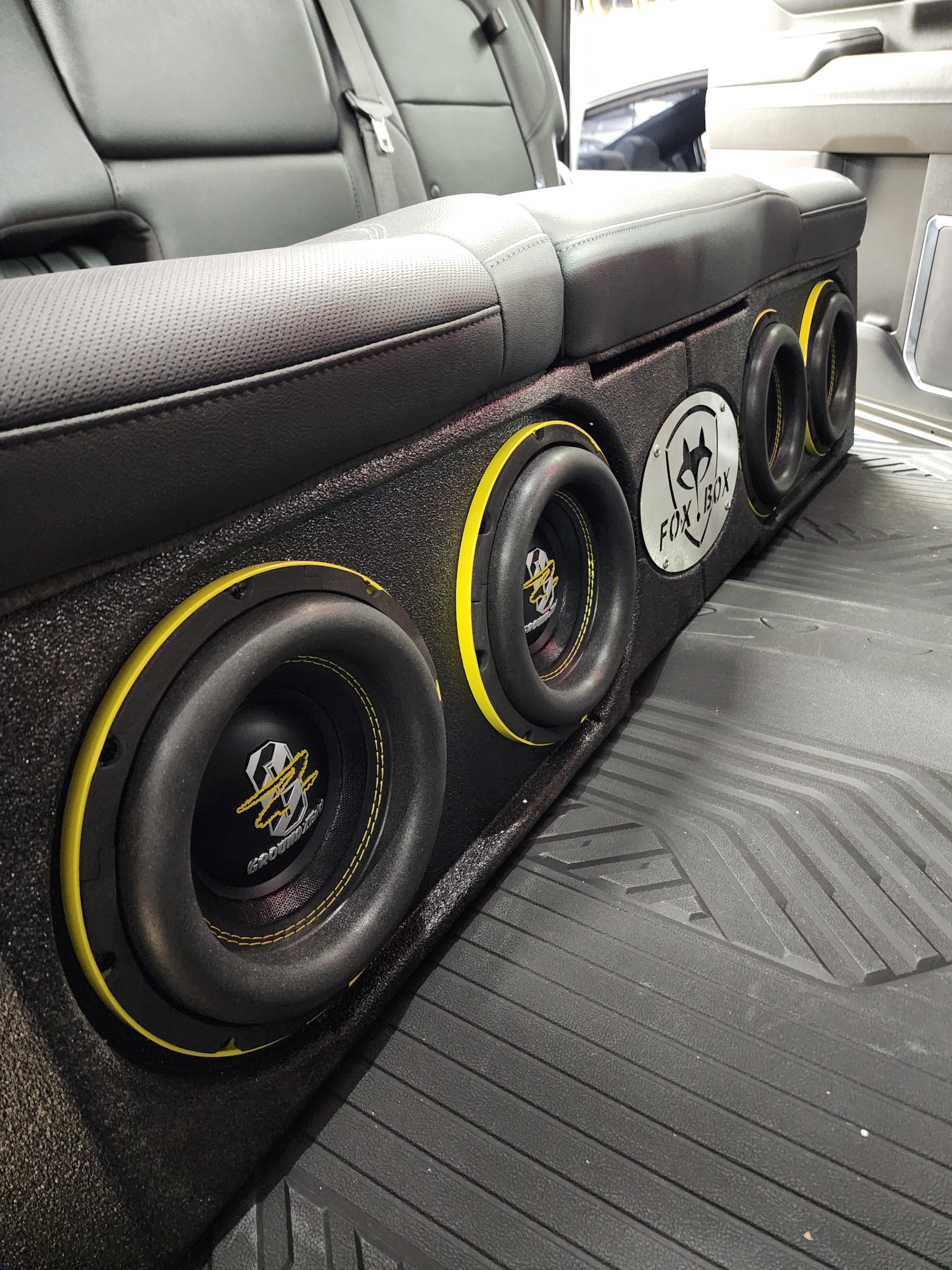
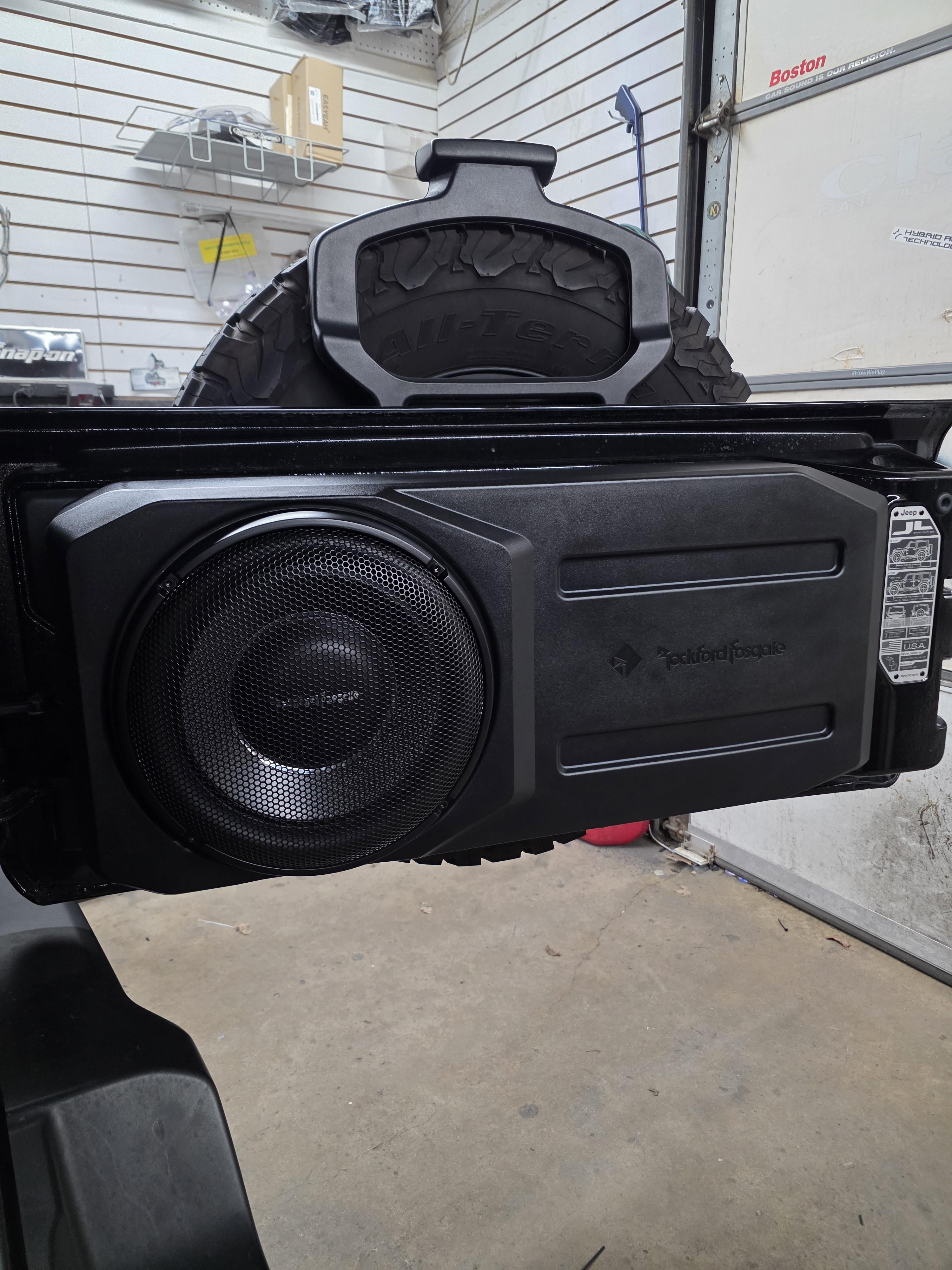
Subs handle the deep bass that regular speakers can’t reproduce. They’re what you feel in your chest when a song has serious low end. A good sub adds depth and impact to every genre of music, not just hip-hop or electronic.
Subwoofers come in different sizes, with 10-inch and 12-inch being the most popular. They need their own enclosure (box) and usually require a dedicated amp. But man, the difference they make is worth the extra effort.
Planning Your Vehicle Sound Upgrades
So where should you actually start? It depends on your budget and what bothers you most about your current setup.
The Speaker Swap
For most people, replacing the factory speakers is the best first move. It’s relatively affordable, doesn’t require major modifications, and makes an immediate difference. You can usually do it yourself in an afternoon with basic tools.
Start with your front speakers since that’s where most of your sound comes from. The best car speakers for beginners are coaxial models that drop right into your factory locations. Look for brands like JBL, Kicker, or Alpine. You’re looking at $50 to $150 per pair for quality options.
When you’re shopping, pay attention to size. Check your car’s manual or look up the speaker sizes online. Getting the wrong size means you’ll need adapters or brackets, which adds cost and hassle.
Head Unit Replacement
If your factory radio is ancient or you really want modern features, swap the head unit next. This is where car stereo installation gets a bit trickier. You’ll need a dash kit to make the new unit fit properly and a wiring harness adapter to connect it to your car’s electrical system.
Don’t worry though. Most car audio shops sell these as kits specific to your make and model. The installation might take a few hours, but there are tons of YouTube videos walking you through the process for almost every car out there.
One thing to watch out for: some newer cars have integrated systems where the radio controls other functions like climate or backup cameras. Replacing the head unit in these vehicles can be complicated or even impossible without losing features.
Adding an Amplifier
Once you’ve got better speakers and maybe a new head unit, an amp is the next logical step. This is where your car audio systems really start to shine. Even modest speakers sound way better with clean, powerful amplification.
You’ll need to run power from your battery to wherever you mount the amp (usually under a seat or in the trunk). You’ll also run signal cables from your head unit and speaker wires to your speakers. It’s more involved than swapping speakers, but still doable if you’re patient and careful.
Make sure your amp matches your speakers’ power handling. If your speakers are rated for 75 watts RMS, get an amp that puts out around that much per channel. More power isn’t always better if your speakers can’t handle it.
Subwoofer Installation
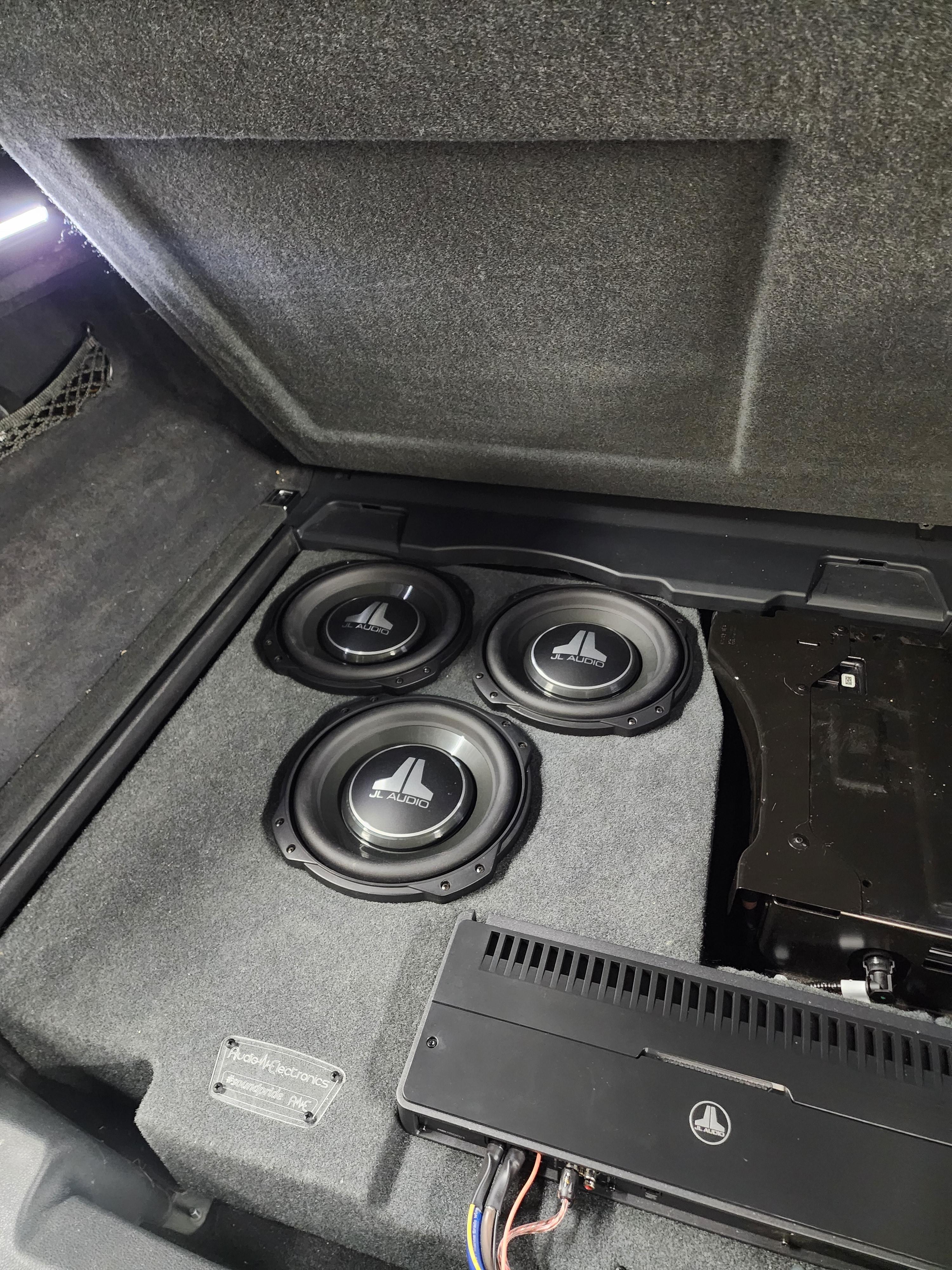
Want to feel your music? Add a sub. This is the most dramatic upgrade you can make, but it’s also the most work. You need the subwoofer itself, an enclosure, and an amp to power it.
Powered subwoofers combine all three in one package, which makes installation easier. You just need to connect power and a signal from your head unit. For better performance, go with a separate sub, box, and amp. You can customize everything to match your taste and space.
Think about how much trunk space you’re willing to give up. A single 10-inch sub in a small sealed box doesn’t take much room. Dual 12-inch subs in a ported box will eat up half your trunk but deliver serious output.
Tools and Supplies You’ll Need
Good news: you don’t need a garage full of professional equipment for basic car stereo installation. Here’s what you should have on hand.
A panel removal tool set helps you pop off door panels and trim pieces without scratching anything. They’re cheap, like $10 for a set. You’ll also want a basic socket set and screwdrivers.
For wiring, grab some electrical tape and wire connectors. If you’re running an amp, you’ll need an amp wiring kit with power cable, ground cable, fuse holder, and RCA cables. Don’t cheap out here. Bad wiring causes problems ranging from poor sound to electrical fires.
A multimeter helps you test connections and troubleshoot issues. You can find one for under $20. And get some zip ties to keep your wiring neat and secure.
Step-by-Step Speaker Installation
Let’s walk through replacing your front door speakers since that’s the most common starting point for vehicle sound upgrades.
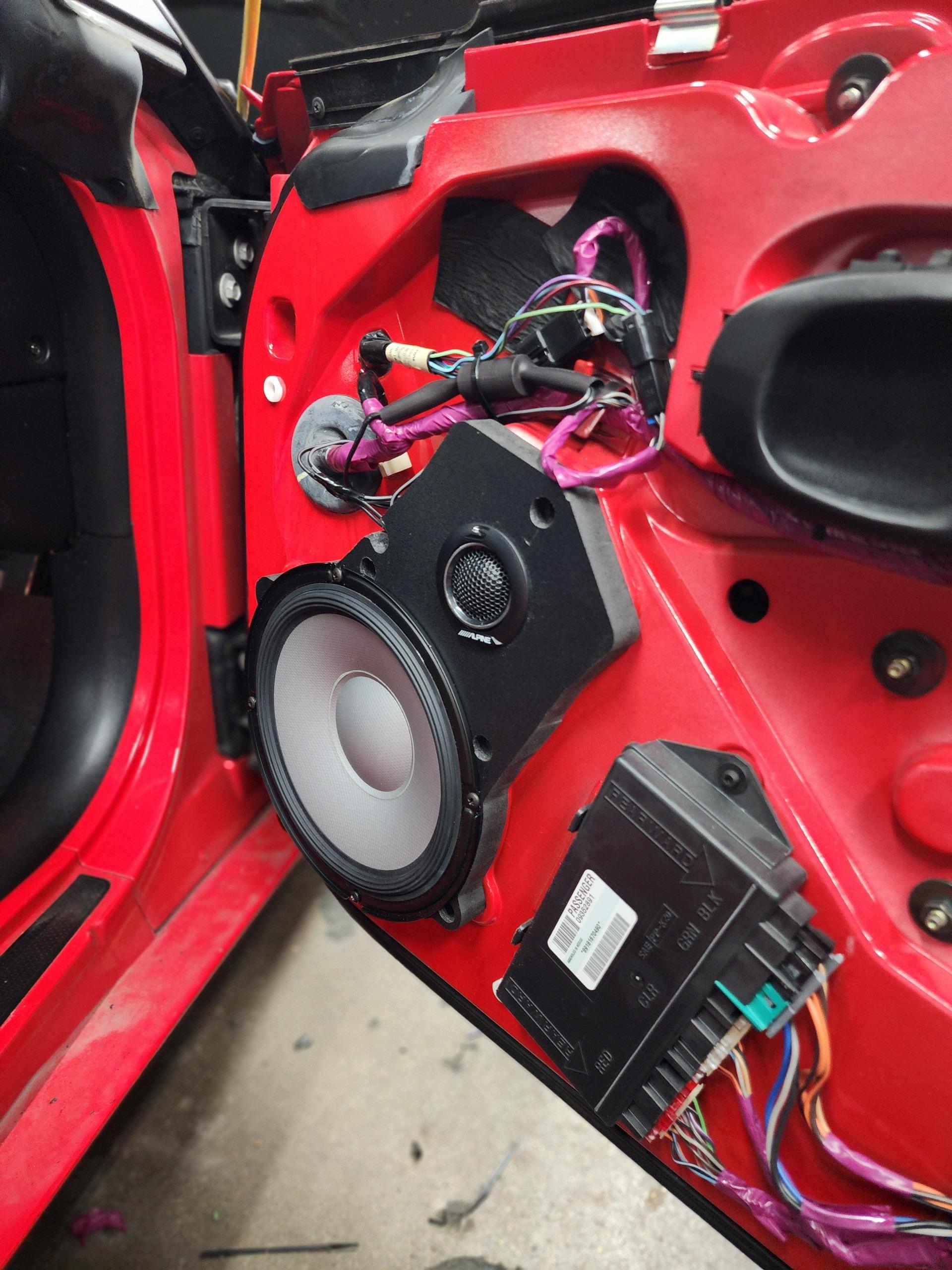
First, disconnect your car’s battery. This prevents short circuits and protects your electrical system. Then remove the door panel. This usually means taking out a few screws and popping plastic clips. Your car’s manual or an online video will show you exactly where everything is.
Once the panel’s off, you’ll see the factory speaker. Unplug the wiring harness and remove the mounting screws. The old speaker should lift right out. Compare it to your new speaker to make sure the size matches.
Before installing the new speaker, you might need mounting brackets if the screw holes don’t line up. These usually come with your speakers or cost a few bucks. Connect the wiring harness to your new speaker. If the plugs don’t match, you’ll need a speaker harness adapter.
Mount the new speaker, making sure it’s secure. You don’t want it rattling around. Reconnect your battery and test the speaker before putting the door panel back on. If it sounds good, reassemble everything in reverse order.
Common Mistakes to Avoid
I’ve seen people make the same errors over and over when upgrading car audio systems. Let’s save you some headaches.
Don’t assume all speakers are the same size. Measure twice, buy once. Getting speakers that don’t fit means delays and extra spending on adapters.
Don’t skip the sound deadening. Adding material like Dynamat to your doors reduces vibrations and road noise. It makes a huge difference in sound quality. You don’t need to cover every surface, but hitting the outer door skin helps a lot.
Don’t overtighten screws when mounting speakers or amps. Plastic panels crack easily, and you can strip metal threads. Snug is good enough.
Don’t run power cables next to signal cables. This causes interference and noise in your audio. Keep them separated by at least a foot when possible.
Don’t forget to set your gains properly if you’re installing an amp. Gains aren’t volume controls. They match the input signal strength to the amp. Setting them too high causes distortion. Too low and you’re wasting power.
Choosing the Best Car Speakers for Your Needs
With so many options out there, how do you pick? Start by thinking about what kind of music you listen to and how loud you like it.
If you’re into rock, metal, or anything with lots of guitars and vocals, focus on speakers with strong midrange performance. Look for ones with silk or textile tweeters for smooth highs.
Bass-heavy music benefits from speakers with larger woofers and stiffer cones. Polypropylene or treated paper cones handle bass better than some other materials.
For classical or jazz, you want accuracy above all else. Component speakers with separate tweeters give you the best imaging and detail.
Power handling matters too. If you’re planning to add an amp later, get speakers that can handle more power. If you’re sticking with your factory head unit, lower power speakers are fine and often cheaper.
Sensitivity ratings tell you how loud a speaker gets with a given amount of power. Higher sensitivity (90 dB or above) means louder sound with less power. That’s great if you’re not using an amp.
Professional Installation vs. DIY
Can you do car stereo installation yourself? Absolutely. Should you? That depends on your comfort level and the complexity of the job.
Swapping speakers is super beginner-friendly. If you can use a screwdriver and follow instructions, you can do it. Head unit replacement is a bit more involved but still manageable for most people. There are detailed guides for almost every car model online.
Amp and subwoofer installation gets trickier. You’re running heavy gauge wire, drilling holes, and making electrical connections. If you’re not confident working with car electrical systems, having a pro do it might be worth the cost. Most shops charge $100 to $200 for amp installation, more if you’re adding a sub.
One benefit of professional installation is the warranty. Good shops guarantee their work. If something goes wrong, they fix it. When you DIY, you’re on your own if you mess something up.
But doing it yourself saves money and teaches you about your car. Plus, there’s something satisfying about cranking up your system knowing you built it with your own hands.
Setting Your Budget
How much should you spend on vehicle sound upgrades? That’s totally up to you, but here are some realistic budget tiers.
Entry level: $200 to $500. This gets you a new set of front and rear speakers, maybe a basic head unit. You’ll hear a clear improvement over factory, but you’re not going to blow anyone away.
Mid-range: $500 to $1,500. Now we’re talking. You can get quality component speakers, a solid head unit with all the features, and maybe a small amp or powered sub. This is the sweet spot for most people.
High-end: $1,500 and up. The sky’s the limit here. Multiple amps, component speakers all around, serious subwoofer setup, sound deadening, custom installation. You can easily spend $5,000 or more if you want the absolute best car speakers and equipment.
Start with what you can afford and build over time. Your car audio systems don’t have to be perfect right away. Get speakers first, add an amp later, throw in a sub when budget allows. Each upgrade improves your sound and you spread the cost out.
Maintaining Your New System
Once you’ve finished your car stereo installation, you want to keep everything working great. The good news is audio equipment is pretty low-maintenance.
Keep your speakers clean. Dust and dirt can work into the cone and cause problems. A quick wipe with a dry cloth every few months is enough.
Check your connections once or twice a year. Vibration can loosen screws and terminals over time. A quick inspection and tightening takes five minutes and prevents issues.
If you added an amp, make sure it’s getting good airflow. Amps generate heat and need ventilation. Don’t pile stuff on top of it or block the cooling fins.
Protect your system from moisture. If you’re washing your car or it’s raining, keep windows up. Water and electronics don’t mix.
Be smart about volume. Yes, your new system can get loud. But sustained high volume damages speakers and your hearing. If it’s distorting, turn it down.
Getting the Sound Just Right
Having great equipment is only half the battle. You need to tune your car audio systems to sound their best.
Start with your head unit’s EQ settings. Most have presets like “Rock” or “Jazz.” Try them out, but don’t be afraid to create a custom setting. Boost frequencies that sound weak, cut ones that are too strong.
If your head unit has time alignment, use it. This adjusts the timing of each speaker so sound reaches your ears at the same moment. It creates a more focused soundstage.
Balance and fade controls let you adjust where the sound comes from. Most people prefer a front-focused sound with rear speakers providing fill. Start with the fade all the way forward and the balance centered, then adjust to taste.
For subs, adjust the low-pass filter on your amp. This determines what frequencies the sub plays. Start around 80 Hz and adjust up or down based on how your system sounds. You want the sub to blend with your speakers, not overpower them.
Take your time with tuning. Listen to familiar songs in different genres. Make small adjustments and live with them for a few days before changing more. Your ears need time to adjust to the new sound.
Final Thoughts on Your Audio Build
Upgrading your car’s sound doesn’t have to be scary or expensive. Start simple, learn as you go, and build the system that works for you. Whether you’re installing the best car speakers you can afford or going all out with amps and subs, every improvement makes your drive better.
Remember, there’s no perfect system that works for everyone. What sounds amazing to your friend might not be your style. Trust your ears and build something you’ll love listening to every single day.
The car audio community is full of helpful people who’ve been where you are. Don’t be afraid to ask questions on forums or at local shops. Most enthusiasts love talking about their builds and helping newcomers.
Your vehicle sound upgrades are an investment in your daily happiness. Every commute, road trip, and errand becomes more enjoyable when you’re surrounded by great sound. So go ahead and make that first upgrade. Your ears will thank you.