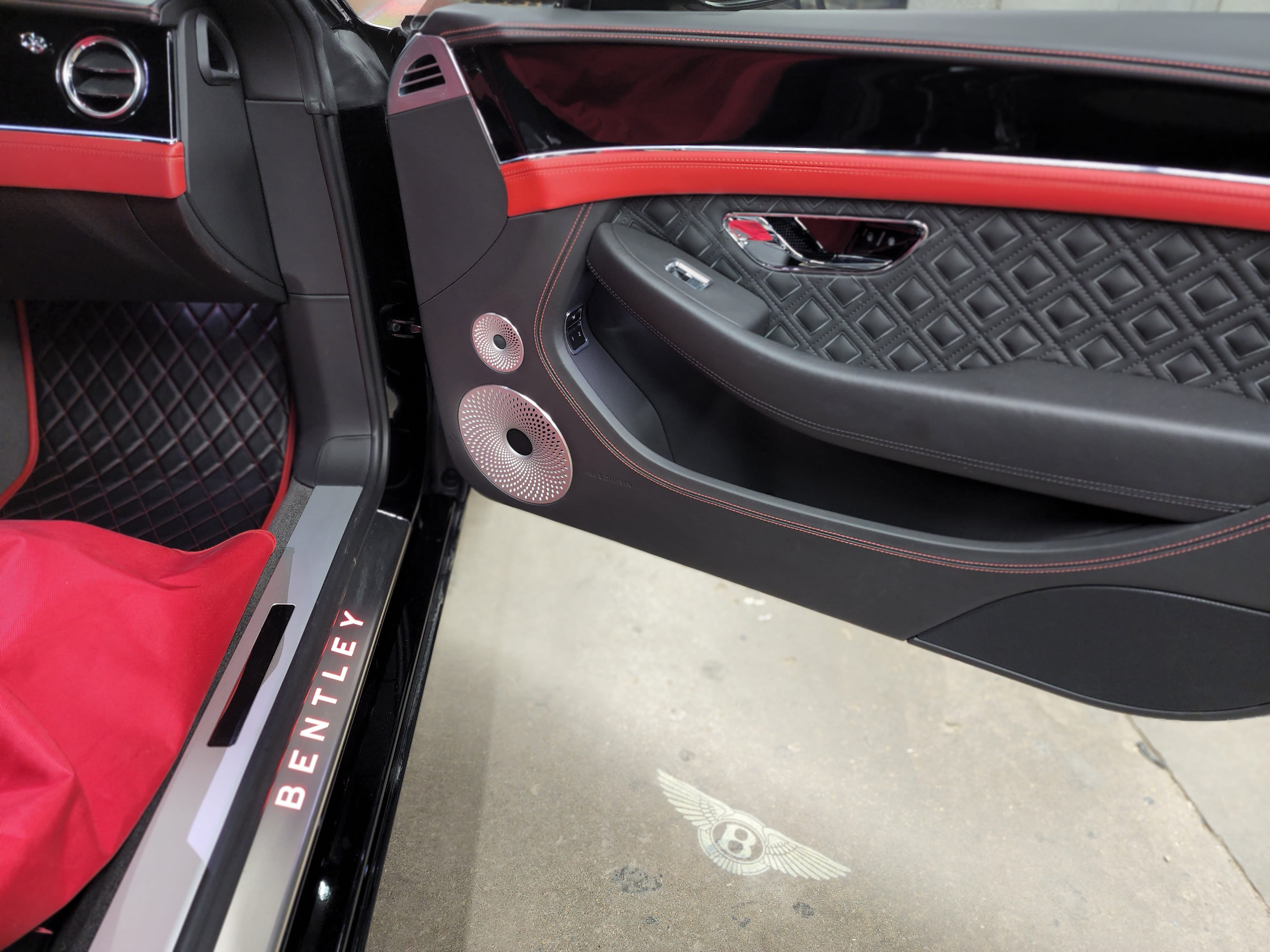
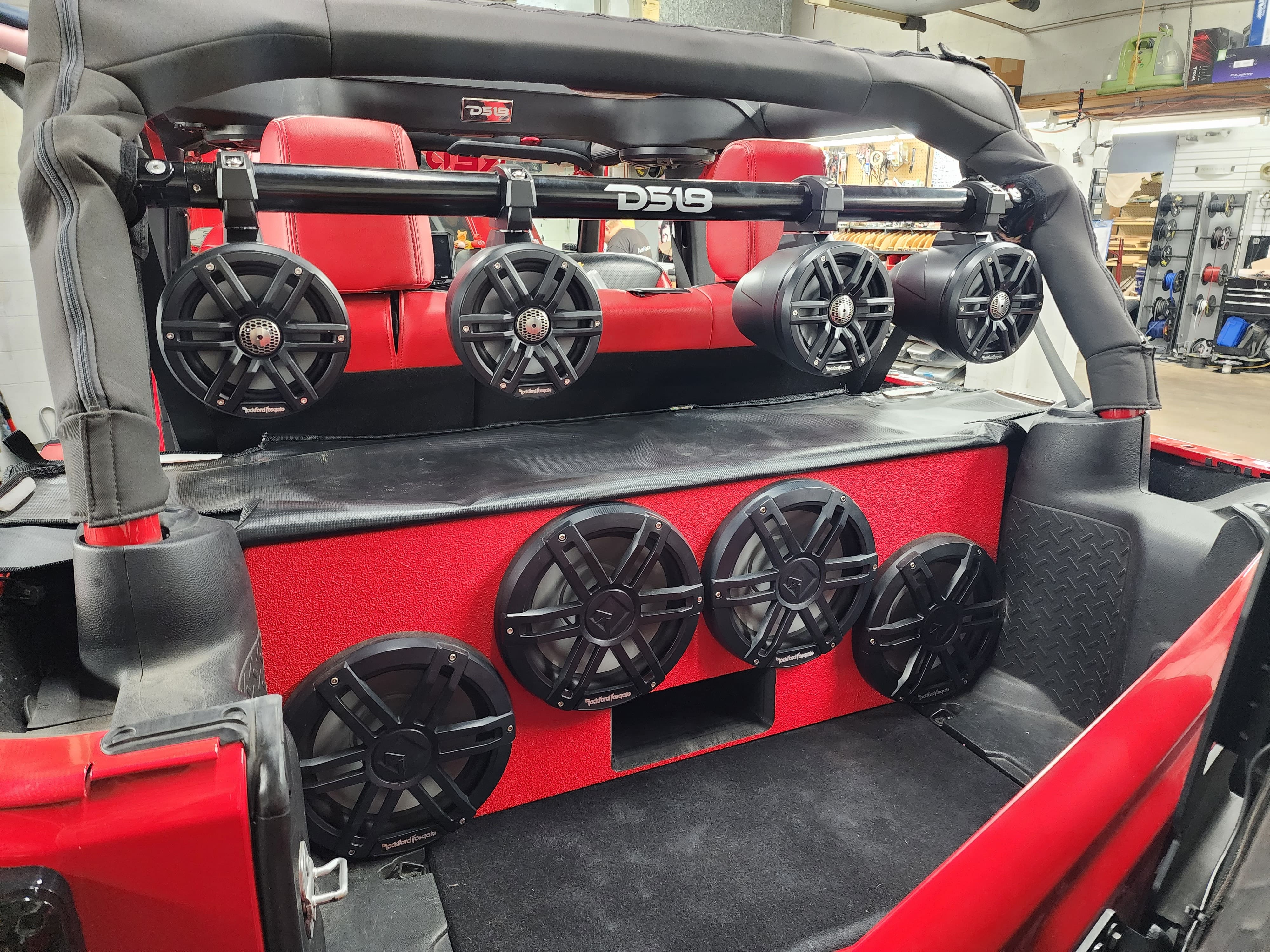
The Ultimate Guide to Car Audio Systems: What Every Driver Should Know

First-Time Driver’s Guide to Upgrading Car Audio Systems

Most first-time drivers think all car audio systems sound the same until they hit the road. That’s when you realize your music doesn’t come close to what it could be. Upgrading your vehicle sound upgrades can turn every drive into something worth looking forward to, but knowing where to start with car stereo installation can feel overwhelming. This guide lays out everything you need to pick the best car speakers and get your sound right.

Why Your Factory Audio System Isn’t Cutting It

Let’s be real here. Car manufacturers aren’t in the business of creating amazing sound systems. They’re focused on getting vehicles out the door at a price point that works for most buyers. That means your factory setup probably has cheap speakers, a basic head unit, and minimal sound processing.

You’ll notice this the moment you crank up your favorite song. The bass sounds muddy, the highs are tinny, and everything gets distorted when you turn up the volume past halfway. It’s not your music’s fault. Your car audio systems just weren’t designed for people who actually care about sound quality.

Think about it this way. You spent thousands on your car, but the audio setup probably cost the manufacturer less than a hundred bucks. That’s why upgrading makes such a huge difference. Even entry-level aftermarket components blow factory systems out of the water.

Understanding the Basic Components

Before you start shopping, you need to know what actually makes up car audio systems. It’s not as complicated as it sounds, I promise.

The Head Unit

This is your stereo’s brain. It’s the thing on your dashboard with all the buttons and the screen. Modern head units do way more than play CDs. They connect to your phone, stream music, and control every aspect of your sound.

When you’re looking at car stereo installation, the head unit is often the first thing to replace. A good one gives you better sound processing, more power to your speakers, and features like Apple CarPlay or Android Auto. You can find solid options starting around $150, or go all out with touchscreen models that cost several hundred.

Speakers

Your speakers turn electrical signals into the sound you hear. Factory speakers use cheap materials that break down over time. The best car speakers use better cones, stronger magnets, and smarter designs to create clearer, louder, more accurate sound.

There are a few types you should know about. Component speakers separate the tweeter (high frequencies) from the woofer (mid and low frequencies). Coaxial speakers combine everything into one unit. Components sound better but cost more and take longer to install.

Amplifiers

An amp takes the signal from your head unit and boosts it before sending it to your speakers. Factory systems usually have weak built-in amps that can’t push enough power. Adding an external amp means your speakers can perform at their full potential without distortion.

You don’t always need an amp right away, but if you want serious volume or plan to add a subwoofer, it’s a must-have. Think of it like this: speakers are only as good as the power driving them.

Subwoofers

Subs handle the deep bass that regular speakers can’t reproduce. They’re what you feel in your chest when a song has serious low end. A good sub adds depth and impact to every genre of music, not just hip-hop or electronic.

Subwoofers come in different sizes, with 10-inch and 12-inch being the most popular. They need their own enclosure (box) and usually require a dedicated amp. But man, the difference they make is worth the extra effort.

Planning Your Vehicle Sound Upgrades

So where should you actually start? It depends on your budget and what bothers you most about your current setup.

The Speaker Swap

For most people, replacing the factory speakers is the best first move. It’s relatively affordable, doesn’t require major modifications, and makes an immediate difference. You can usually do it yourself in an afternoon with basic tools.

Start with your front speakers since that’s where most of your sound comes from. The best car speakers for beginners are coaxial models that drop right into your factory locations. Look for brands like JBL, Kicker, or Alpine. You’re looking at $50 to $150 per pair for quality options.

When you’re shopping, pay attention to size. Check your car’s manual or look up the speaker sizes online. Getting the wrong size means you’ll need adapters or brackets, which adds cost and hassle.

Head Unit Replacement

If your factory radio is ancient or you really want modern features, swap the head unit next. This is where car stereo installation gets a bit trickier. You’ll need a dash kit to make the new unit fit properly and a wiring harness adapter to connect it to your car’s electrical system.

Don’t worry though. Most car audio shops sell these as kits specific to your make and model. The installation might take a few hours, but there are tons of YouTube videos walking you through the process for almost every car out there.

One thing to watch out for: some newer cars have integrated systems where the radio controls other functions like climate or backup cameras. Replacing the head unit in these vehicles can be complicated or even impossible without losing features.

Adding an Amplifier

Once you’ve got better speakers and maybe a new head unit, an amp is the next logical step. This is where your car audio systems really start to shine. Even modest speakers sound way better with clean, powerful amplification.

You’ll need to run power from your battery to wherever you mount the amp (usually under a seat or in the trunk). You’ll also run signal cables from your head unit and speaker wires to your speakers. It’s more involved than swapping speakers, but still doable if you’re patient and careful.

Make sure your amp matches your speakers’ power handling. If your speakers are rated for 75 watts RMS, get an amp that puts out around that much per channel. More power isn’t always better if your speakers can’t handle it.

Subwoofer Installation

Want to feel your music? Add a sub. This is the most dramatic upgrade you can make, but it’s also the most work. You need the subwoofer itself, an enclosure, and an amp to power it.

Powered subwoofers combine all three in one package, which makes installation easier. You just need to connect power and a signal from your head unit. For better performance, go with a separate sub, box, and amp. You can customize everything to match your taste and space.

Think about how much trunk space you’re willing to give up. A single 10-inch sub in a small sealed box doesn’t take much room. Dual 12-inch subs in a ported box will eat up half your trunk but deliver serious output.

Tools and Supplies You’ll Need

Good news: you don’t need a garage full of professional equipment for basic car stereo installation. Here’s what you should have on hand.

A panel removal tool set helps you pop off door panels and trim pieces without scratching anything. They’re cheap, like $10 for a set. You’ll also want a basic socket set and screwdrivers.

For wiring, grab some electrical tape and wire connectors. If you’re running an amp, you’ll need an amp wiring kit with power cable, ground cable, fuse holder, and RCA cables. Don’t cheap out here. Bad wiring causes problems ranging from poor sound to electrical fires.

A multimeter helps you test connections and troubleshoot issues. You can find one for under $20. And get some zip ties to keep your wiring neat and secure.

Step-by-Step Speaker Installation

Let’s walk through replacing your front door speakers since that’s the most common starting point for vehicle sound upgrades.

First, disconnect your car’s battery. This prevents short circuits and protects your electrical system. Then remove the door panel. This usually means taking out a few screws and popping plastic clips. Your car’s manual or an online video will show you exactly where everything is.

Once the panel’s off, you’ll see the factory speaker. Unplug the wiring harness and remove the mounting screws. The old speaker should lift right out. Compare it to your new speaker to make sure the size matches.

Before installing the new speaker, you might need mounting brackets if the screw holes don’t line up. These usually come with your speakers or cost a few bucks. Connect the wiring harness to your new speaker. If the plugs don’t match, you’ll need a speaker harness adapter.

Mount the new speaker, making sure it’s secure. You don’t want it rattling around. Reconnect your battery and test the speaker before putting the door panel back on. If it sounds good, reassemble everything in reverse order.

Common Mistakes to Avoid

I’ve seen people make the same errors over and over when upgrading car audio systems. Let’s save you some headaches.

Don’t assume all speakers are the same size. Measure twice, buy once. Getting speakers that don’t fit means delays and extra spending on adapters.

Don’t skip the sound deadening. Adding material like Dynamat to your doors reduces vibrations and road noise. It makes a huge difference in sound quality. You don’t need to cover every surface, but hitting the outer door skin helps a lot.

Don’t overtighten screws when mounting speakers or amps. Plastic panels crack easily, and you can strip metal threads. Snug is good enough.

Don’t run power cables next to signal cables. This causes interference and noise in your audio. Keep them separated by at least a foot when possible.

Don’t forget to set your gains properly if you’re installing an amp. Gains aren’t volume controls. They match the input signal strength to the amp. Setting them too high causes distortion. Too low and you’re wasting power.

Choosing the Best Car Speakers for Your Needs

With so many options out there, how do you pick? Start by thinking about what kind of music you listen to and how loud you like it.

If you’re into rock, metal, or anything with lots of guitars and vocals, focus on speakers with strong midrange performance. Look for ones with silk or textile tweeters for smooth highs.

Bass-heavy music benefits from speakers with larger woofers and stiffer cones. Polypropylene or treated paper cones handle bass better than some other materials.

For classical or jazz, you want accuracy above all else. Component speakers with separate tweeters give you the best imaging and detail.

Power handling matters too. If you’re planning to add an amp later, get speakers that can handle more power. If you’re sticking with your factory head unit, lower power speakers are fine and often cheaper.

Sensitivity ratings tell you how loud a speaker gets with a given amount of power. Higher sensitivity (90 dB or above) means louder sound with less power. That’s great if you’re not using an amp.

Professional Installation vs. DIY

Can you do car stereo installation yourself? Absolutely. Should you? That depends on your comfort level and the complexity of the job.

Swapping speakers is super beginner-friendly. If you can use a screwdriver and follow instructions, you can do it. Head unit replacement is a bit more involved but still manageable for most people. There are detailed guides for almost every car model online.

Amp and subwoofer installation gets trickier. You’re running heavy gauge wire, drilling holes, and making electrical connections. If you’re not confident working with car electrical systems, having a pro do it might be worth the cost. Most shops charge $100 to $200 for amp installation, more if you’re adding a sub.

One benefit of professional installation is the warranty. Good shops guarantee their work. If something goes wrong, they fix it. When you DIY, you’re on your own if you mess something up.

But doing it yourself saves money and teaches you about your car. Plus, there’s something satisfying about cranking up your system knowing you built it with your own hands.

Setting Your Budget

How much should you spend on vehicle sound upgrades? That’s totally up to you, but here are some realistic budget tiers.

Entry level: $200 to $500. This gets you a new set of front and rear speakers, maybe a basic head unit. You’ll hear a clear improvement over factory, but you’re not going to blow anyone away.

Mid-range: $500 to $1,500. Now we’re talking. You can get quality component speakers, a solid head unit with all the features, and maybe a small amp or powered sub. This is the sweet spot for most people.

High-end: $1,500 and up. The sky’s the limit here. Multiple amps, component speakers all around, serious subwoofer setup, sound deadening, custom installation. You can easily spend $5,000 or more if you want the absolute best car speakers and equipment.

Start with what you can afford and build over time. Your car audio systems don’t have to be perfect right away. Get speakers first, add an amp later, throw in a sub when budget allows. Each upgrade improves your sound and you spread the cost out.

Maintaining Your New System

Once you’ve finished your car stereo installation, you want to keep everything working great. The good news is audio equipment is pretty low-maintenance.

Keep your speakers clean. Dust and dirt can work into the cone and cause problems. A quick wipe with a dry cloth every few months is enough.

Check your connections once or twice a year. Vibration can loosen screws and terminals over time. A quick inspection and tightening takes five minutes and prevents issues.

If you added an amp, make sure it’s getting good airflow. Amps generate heat and need ventilation. Don’t pile stuff on top of it or block the cooling fins.

Protect your system from moisture. If you’re washing your car or it’s raining, keep windows up. Water and electronics don’t mix.

Be smart about volume. Yes, your new system can get loud. But sustained high volume damages speakers and your hearing. If it’s distorting, turn it down.

Getting the Sound Just Right

Having great equipment is only half the battle. You need to tune your car audio systems to sound their best.

Start with your head unit’s EQ settings. Most have presets like “Rock” or “Jazz.” Try them out, but don’t be afraid to create a custom setting. Boost frequencies that sound weak, cut ones that are too strong.

If your head unit has time alignment, use it. This adjusts the timing of each speaker so sound reaches your ears at the same moment. It creates a more focused soundstage.

Balance and fade controls let you adjust where the sound comes from. Most people prefer a front-focused sound with rear speakers providing fill. Start with the fade all the way forward and the balance centered, then adjust to taste.

For subs, adjust the low-pass filter on your amp. This determines what frequencies the sub plays. Start around 80 Hz and adjust up or down based on how your system sounds. You want the sub to blend with your speakers, not overpower them.

Take your time with tuning. Listen to familiar songs in different genres. Make small adjustments and live with them for a few days before changing more. Your ears need time to adjust to the new sound.

Final Thoughts on Your Audio Build

Upgrading your car’s sound doesn’t have to be scary or expensive. Start simple, learn as you go, and build the system that works for you. Whether you’re installing the best car speakers you can afford or going all out with amps and subs, every improvement makes your drive better.

Remember, there’s no perfect system that works for everyone. What sounds amazing to your friend might not be your style. Trust your ears and build something you’ll love listening to every single day.

The car audio community is full of helpful people who’ve been where you are. Don’t be afraid to ask questions on forums or at local shops. Most enthusiasts love talking about their builds and helping newcomers.

Your vehicle sound upgrades are an investment in your daily happiness. Every commute, road trip, and errand becomes more enjoyable when you’re surrounded by great sound. So go ahead and make that first upgrade. Your ears will thank you.

The Ultimate Guide to Car Audio Systems: What Every Driver Should Know

The Ultimate Guide to Car Audio Systems: Elevate Your Driving Experience

Most people think picking any car audio systems will do. The truth is, poor choices lead to weak sound and wasted money. You’re about to learn what really matters when upgrading your vehicle sound, from car stereo installation tips to finding the best car speakers that fit your ride. This guide breaks down the essentials so your next drive sounds just right.
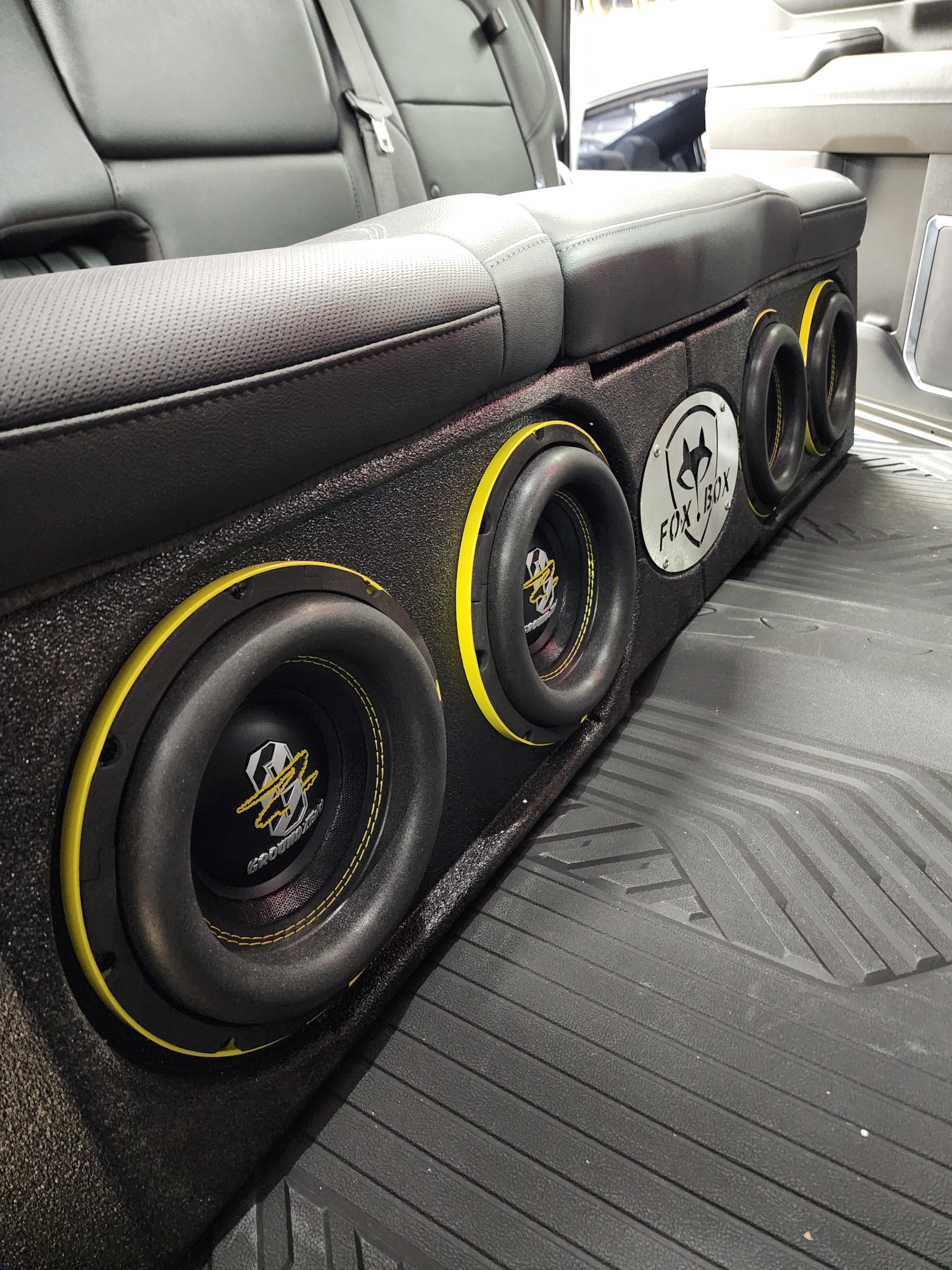
Understanding Car Audio Systems Basics

What Makes Up a Complete System?

Let’s start simple. Your car audio systems aren’t just about one piece of equipment. You’ve got several components working together to create that perfect sound. Think of it like a band where every instrument plays its part.

The head unit is your control center. It’s what you see on your dashboard, and it manages everything from volume to track selection. Then you’ve got your speakers, which actually produce the sound you hear. Amplifiers boost the signal to make everything louder and clearer. And if you’re serious about bass, you’ll want a subwoofer in the mix.

Most factory systems come with basic versions of these components. They’ll get the job done for casual listening, but they won’t blow your mind. That’s where vehicle sound upgrades come in.

Why Upgrade From Factory Audio?

Here’s the thing: car manufacturers don’t prioritize sound quality the way you might think. They’re balancing costs across the entire vehicle, and audio often gets the short end of the stick.

Factory speakers use cheaper materials that break down faster. The head units lack features you’d find in aftermarket options. And don’t even get me started on factory amplifiers, which barely have enough power to fill your cabin with decent sound.

When you upgrade, you’re choosing components designed specifically for audio quality. Better materials mean clearer highs, richer mids, and deeper bass. You’ll hear details in your favorite songs you’ve never noticed before.

Choosing the Best Car Speakers

Speaker Types and What They Do

Not all speakers are created equal. You’ve got different types serving different purposes, and knowing which ones you need makes all the difference.

Component speakers separate the tweeter (high frequencies) from the woofer (mid and low frequencies). This gives you better sound staging and clarity. You can position the tweeters at ear level while the woofers sit in your doors. It’s like having a mini concert hall in your car.

Coaxial speakers combine everything into one unit. They’re easier to install and cost less than component systems. For many drivers, they’re the sweet spot between quality and convenience.

Full-range speakers try to handle all frequencies in one package. They’re budget-friendly but won’t match the performance of components or quality coaxials.

What to Look for When Shopping

Size matters, but it’s not everything. Your car has specific cutouts for speakers, usually 6.5 inches or 6×9 inches in the doors and rear deck. Check your owner’s manual or measure before buying.

Power handling tells you how much wattage the speaker can take. Match this to your amplifier’s output. Too little power and you won’t get loud enough. Too much and you’ll blow your speakers.

Sensitivity ratings show how loud a speaker gets with a given amount of power. Higher sensitivity (90dB or above) means you need less power to get good volume. This matters if you’re not adding an amplifier.

Material quality affects longevity and sound. Polypropylene cones resist moisture and last longer. Silk dome tweeters sound smoother than metal ones. Rubber surrounds outlast foam.

Navigating Car Stereo Installation

DIY or Professional Install?

This is the million-dollar question. Can you handle car stereo installation yourself, or should you hire a pro?

If you’re handy with tools and comfortable following instructions, basic installations are totally doable. Replacing speakers in accessible locations like doors or the rear deck doesn’t require advanced skills. You’ll need a few tools: screwdrivers, panel removal tools, wire strippers, and electrical tape.

But here’s where it gets tricky. Modern cars have complex electrical systems. Some vehicles require special adapters to integrate aftermarket equipment. Others need programming to avoid error codes. And if you’re running new wiring for amplifiers or subwoofers, that’s a whole different ball game.

Professional installers have seen it all. They know the quirks of different car models. They’ve got the right tools and adapters on hand. And most shops offer warranties on their work. If something goes wrong, they fix it.

Installation Steps for Beginners

Let’s say you’re tackling a simple speaker swap. Here’s what you’re looking at:

First, disconnect your battery. Always. This prevents shorts and protects your car’s electrical system.

Remove the door panels or speaker grilles. This usually involves popping out clips and removing screws. Take your time and don’t force anything. Plastic breaks easily.

Disconnect the old speakers and remove them from their mounts. Note how the wiring connects. Take photos if you need to.

Connect your new speakers using the provided adapters or by splicing wires. Match positive to positive and negative to negative. Wrong polarity means weak bass and weird sound.

Mount the new speakers and test them before reassembling everything. Play some music and make sure both speakers work and sound balanced.

Reinstall your panels and you’re done. See? Not rocket science.

Common Installation Mistakes

Even experienced folks mess up sometimes. Here are the pitfalls to avoid:

Skipping the battery disconnect is dangerous. You could short something out or trigger an airbag.

Using the wrong size speakers leads to mounting headaches. Those adapters and brackets exist for a reason.

Poor wire connections cause crackling, cutting out, or no sound at all. Solder your connections or use quality crimp connectors.

Forgetting to check speaker polarity results in phase issues. Your bass disappears and the sound feels hollow.

Over-tightening mounting screws can crack speaker frames. Snug is good enough.

Amplifiers and Power Considerations

Do You Really Need an Amp?

Short answer: it depends on your goals.

If you’re just replacing factory speakers with better ones, you might be fine without an amplifier. Modern head units put out enough power for moderate listening levels.

But if you want it loud, an amp is essential. Factory head units max out around 15 watts per channel. A decent amplifier delivers 50 to 100 watts per channel, sometimes more. That’s a massive difference.

Amplifiers also improve sound quality at any volume. They provide cleaner power with less distortion. Your music sounds more detailed and controlled.

And if you’re adding a subwoofer, you definitely need an amp. Subs demand serious power that head units simply can’t provide.

Choosing the Right Amplifier

Match your amp to your speakers. Check the RMS (continuous) power ratings, not the peak numbers. Your amp should deliver power within your speakers’ handling range.

Channel count matters too. A four-channel amp can power four speakers or two speakers plus a subwoofer. Mono amps are designed specifically for subs.

Class D amps run cooler and draw less power from your electrical system. They’re perfect for tight spaces and daily drivers. Class AB amps sound slightly better to trained ears but generate more heat.

Built-in features like bass boost, crossovers, and gain controls give you tuning flexibility. Don’t overlook these when comparing models.

Subwoofers and Bass Systems
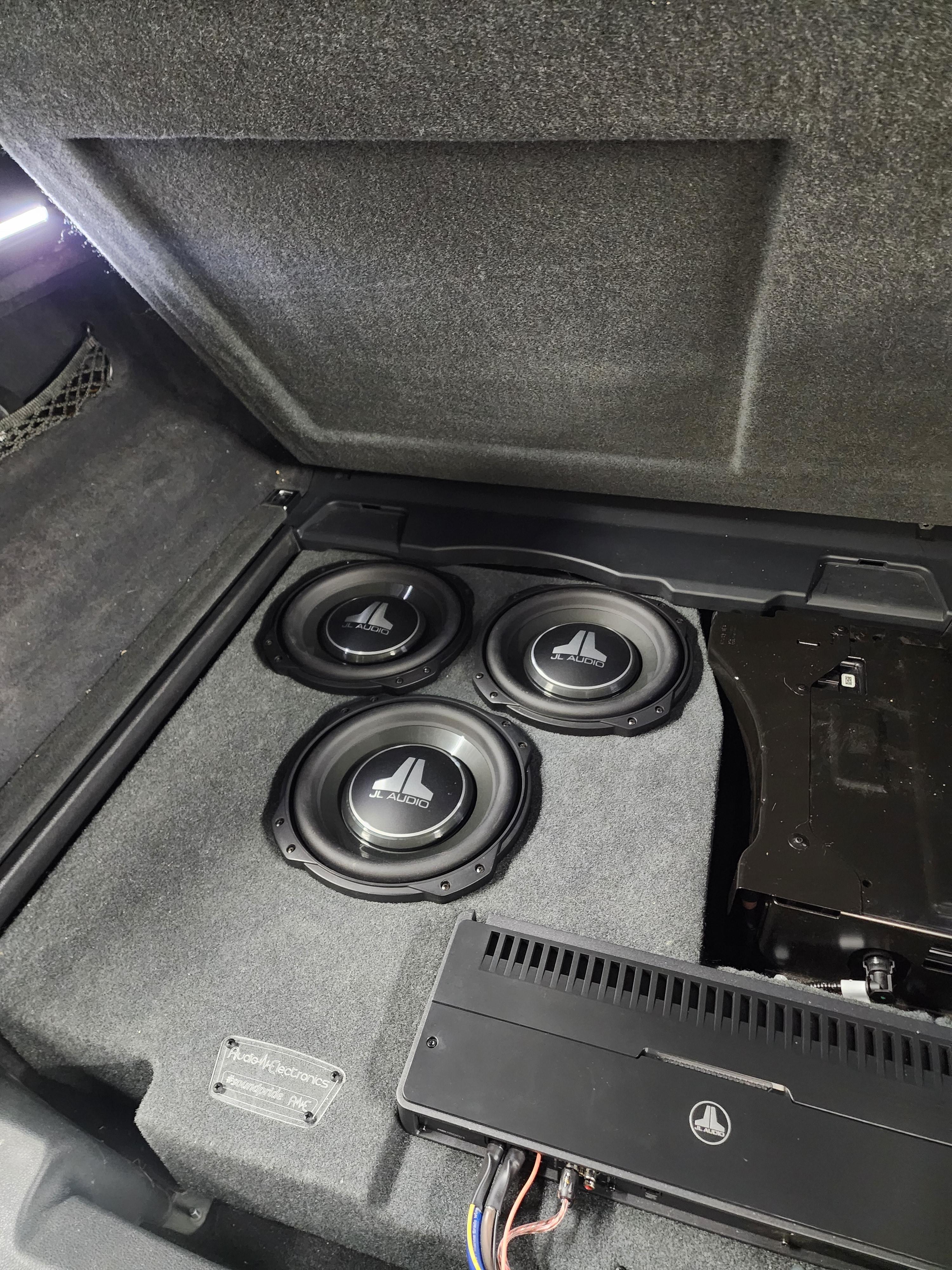
Why Bass Needs Special Attention

Low frequencies require large speaker cones moving lots of air. Regular speakers can’t do this effectively. That’s where subwoofers come in.

A good sub fills in the bottom end of your music. You feel the kick drum in your chest. Bass guitars have weight and presence. Movie soundtracks rumble like they should.

Subwoofers come in different sizes, typically 8, 10, 12, or 15 inches. Bigger isn’t always better. Smaller subs respond faster and sound tighter. Larger subs move more air and go deeper.

Enclosure Types Explained

Your subwoofer needs a box, and the type of enclosure dramatically affects performance.

Sealed boxes are airtight and produce tight, accurate bass. They’re smaller and easier to fit. Music lovers often prefer sealed enclosures for their precision.

Ported boxes have a tuned opening that boosts output at specific frequencies. They’re louder than sealed boxes but take up more space. Great for bass-heavy music genres.

Bandpass enclosures hide the subwoofer completely and can be super loud. They’re tricky to build correctly and work best for specific applications.

Powered Subs vs. Component Systems

Powered subwoofers combine the speaker, amplifier, and enclosure in one package. They’re plug-and-play convenient and perfect for people who want simple vehicle sound upgrades.

Component systems let you mix and match. Pick your sub, choose your amp, build or buy your box. This gives you complete control over your sound but requires more planning and installation work.

For most first-time upgraders, a quality powered sub makes total sense. You get good bass without the complexity.

Head Units and Source Equipment

Modern Head Unit Features

Today’s head units do way more than play CDs. Let’s look at what’s available.

Bluetooth connectivity is basically standard now. Stream music from your phone, take calls hands-free, and control everything without cables.

Apple CarPlay and Android Auto mirror your phone’s interface on the head unit screen. Navigation, messaging, and music apps all work through your car’s display.

High-resolution audio support means you can play lossless music files. If you’re an audiophile, this matters.

Built-in amplifiers vary in quality. Some head units push 50 watts per channel or more. Others barely manage 15. Check the specs.

Digital Signal Processing

Here’s where things get cool. DSP-equipped head units let you tune your system with precision.

Time alignment adjusts when each speaker plays its sound, creating the illusion that all speakers are the same distance from your ears. This centers the sound stage.

Equalization lets you boost or cut specific frequencies. Fix problems with your car’s acoustics or shape the sound to your preferences.

Crossovers direct the right frequencies to the right speakers. Send lows to your subwoofer, highs to your tweeters, and mids to your woofers.

Not everyone needs DSP, but serious listeners appreciate the control.

Sound Deadening and Acoustic Treatment

Why Your Car Needs Deadening

Your car is basically a metal box on wheels. Panels vibrate, creating noise and absorbing bass energy. Sound deadening material fixes this.

Apply deadening to your doors and they become better speaker enclosures. Bass tightens up and midrange clarity improves. Road noise decreases too.

The trunk benefits from deadening if you’ve got a subwoofer back there. Less rattling and more bass makes it into the cabin.

Materials and Application

Butyl-based mats are the gold standard. They’re heavy, sticky, and effective at damping vibrations. Brands like Dynamat are popular but pricey. Budget alternatives work nearly as well.

Closed-cell foam adds a second layer of noise blocking. It goes over your deadening mats for maximum effect.

Application is straightforward. Clean the metal surface, cut the material to fit, stick it down, and roll it firmly with a roller. Cover 25 to 50 percent of each panel for good results. You don’t need 100 percent coverage.

Setting Up and Tuning Your System

Initial Setup Steps

You’ve installed everything. Now what?

Set your gains properly. This isn’t a volume control. Gain matches your source signal to your amplifier’s input. Set it too high and you get distortion. Too low and you’re not using your amp’s power.

Use a multimeter or do it by ear. Play a track you know well at about 75 percent volume. Slowly raise the gain until you hear distortion, then back it off slightly.

Adjust your crossovers next. High-pass filters protect small speakers from low frequencies they can’t handle. Low-pass filters keep highs away from your subwoofer.

Balance your system by ear. Adjust fader and balance controls until the sound feels centered and natural.

Fine Tuning for Perfect Sound

This is where you make it yours. Play different types of music and listen critically.

Does the bass overpower everything? Turn down the subwoofer level or adjust the low-pass crossover higher.

Are vocals harsh or sibilant? Your tweeters might be too loud or aimed directly at your ears. Adjust levels or reposition them.

Is the sound stage off-center? Check your balance settings and speaker wiring. Make sure all speakers are in phase.

Use your equalizer sparingly. Small adjustments go a long way. Boosting everything just makes things louder and messier.

Budgeting for Your Upgrade

Entry-Level Systems

You don’t need thousands to improve your sound. A modest budget gets you meaningful results.

For $300 to $500, replace your factory speakers with quality coaxials and add a powered subwoofer. You’ll notice a huge improvement over stock.

Brands like Pioneer, JBL, and Kenwood offer solid entry-level options. They’re reliable and sound good for the money.

Do the installation yourself and you save several hundred dollars.

Mid-Range Builds

With $800 to $1,500, you can build a seriously good system.

Invest in component speakers for the front, keep coaxials in the rear. Add a four-channel amplifier to power everything. Include a dedicated subwoofer with its own amp or go with a powerful powered sub.

Upgrade your head unit to something with Apple CarPlay or Android Auto. Add some sound deadening to your doors.

This budget level delivers audiophile-quality sound without breaking the bank.

High-End Systems
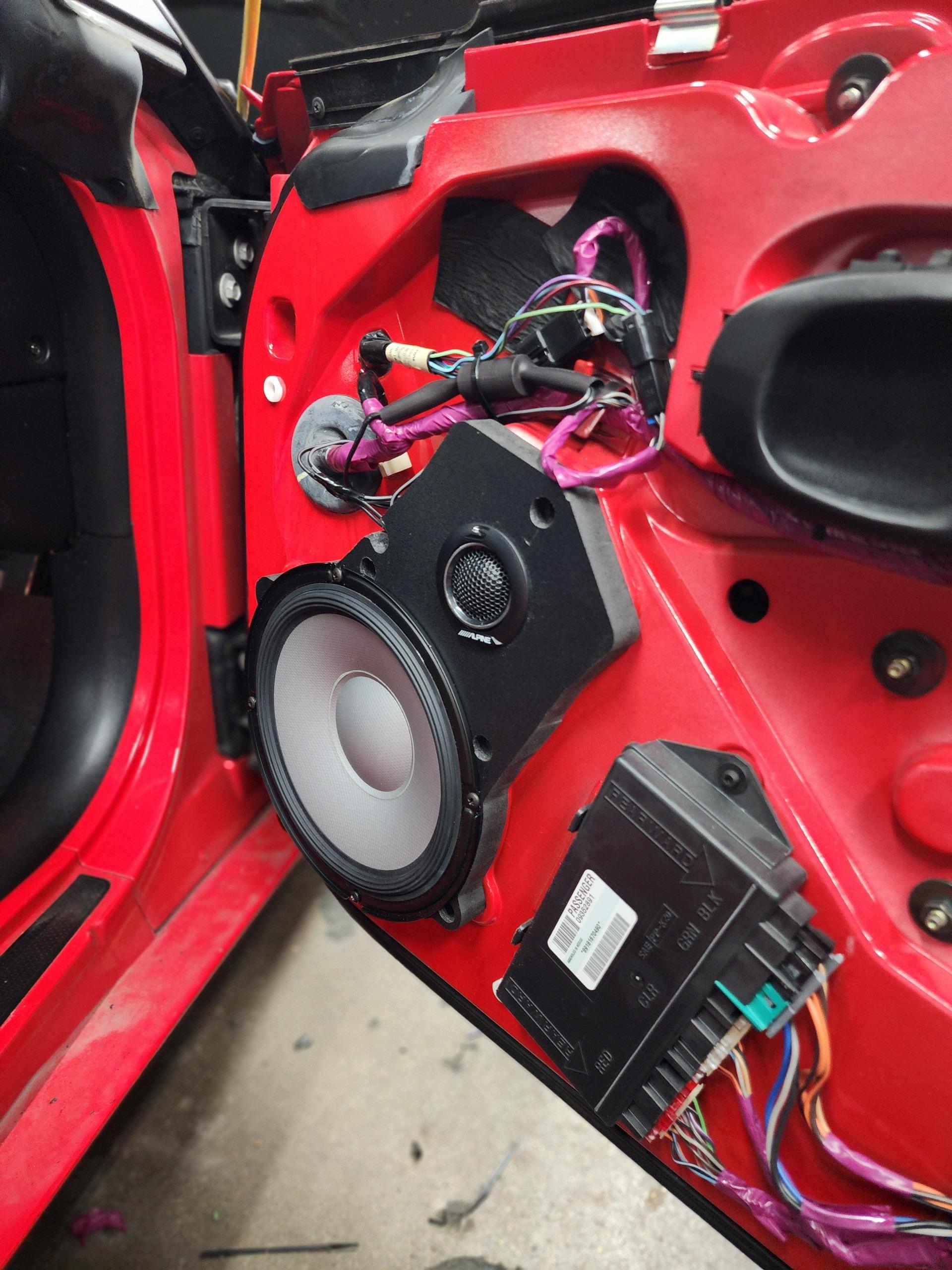
Sky’s the limit here, but $2,000 to $5,000 builds an incredible system.

Top-tier component speakers from brands like Focal, Hertz, or Morel. Multiple amplifiers dedicated to different speaker groups. Custom-built subwoofer enclosures tuned specifically for your vehicle.

A DSP-equipped head unit or standalone processor gives you total control. Professional installation ensures everything works perfectly.

Sound deadening throughout the entire vehicle creates a quiet, controlled listening environment.

Maintenance and Troubleshooting

Keeping Your System Running

Car audio systems are pretty reliable, but they need occasional attention.

Check your connections yearly. Corrosion happens, especially in humid climates. Clean terminals and reseal any exposed wiring.

Inspect your speakers for damage. Torn surrounds or pushed-in dust caps affect sound quality. Catch problems early.

Keep your amplifier’s cooling fins clean. Dust buildup causes overheating and shortened lifespan.

Update your head unit’s firmware when available. Manufacturers fix bugs and sometimes add features.

Common Problems and Solutions

No sound at all? Check your fuses first. Then verify all connections are tight and your head unit is properly grounded.

Distortion at high volume usually means your gain is set wrong or your speakers can’t handle the power. Adjust gains or upgrade speakers.

One speaker not working points to a wiring issue. Check connections at both the speaker and head unit. Test the speaker with a battery to confirm it works.

Alternator whine is that annoying noise that changes pitch with engine RPM. It’s usually a grounding problem. Make sure your amplifier has a solid ground connection to clean metal.

Subwoofer cutting out means your amp is overheating or going into protect mode. Check for proper ventilation and make sure your wiring can handle the current draw.

Making Your Decision

What’s Right for You?

Think about how you use your car. Long commutes benefit from comfortable, balanced sound. Weekend warriors might want earth-shaking bass. Audiophiles need precision and clarity.

Your music preferences matter too. Classical and jazz demand accurate reproduction. Hip-hop and EDM need strong bass. Rock falls somewhere in between.

Budget constraints are real. Buy the best you can afford in the areas that matter most to you. You can always upgrade piece by piece.

Getting Started Today

You’ve got the knowledge. Now it’s time to act.

Start by evaluating your current system. What bugs you most? Weak bass? Muddy vocals? Distortion at higher volumes? Address your biggest complaint first.

Research specific products that fit your needs and budget. Read reviews from actual users, not just marketing materials.

If you’re not comfortable with car stereo installation, find a reputable shop. Ask friends for recommendations or check online reviews.

And remember, building the perfect car audio systems is a process. You don’t have to do everything at once. Start with one upgrade, enjoy it, then move on to the next when you’re ready.

Your car is more than transportation. It’s your mobile sanctuary, your daily companion. Shouldn’t it sound amazing? With the best car speakers, proper installation, and smart vehicle sound upgrades, every drive becomes something special.

Now get out there and make your car sound incredible. You’ve got this.
Top 5 Benefits of Professional Car Audio Installation

Why Professional Car Stereo Installation is Worth Every Penny

Upgrading your car’s audio system can significantly enhance your driving experience, but the decision to invest in professional car stereo installation may seem daunting at first. It’s not just about the promise of better sound quality; professional installation ensures that your custom sound systems are tailored to your specific vehicle for optimal performance. Expert technicians bring a wealth of knowledge to the table, ensuring that every component is perfectly integrated. This meticulous attention to detail can prevent potential issues down the line, offering peace of mind that your audio upgrades are both safe and reliable. In this post, we’ll explore why choosing professional car audio installation is a smart investment for any car enthusiast looking to enhance their vehicle’s sound experience.

Expertise and Precision

Professional car stereo installation brings a level of expertise that’s hard to match with DIY efforts. Trained technicians have in-depth knowledge of various car models and audio systems.

They understand the intricacies of different vehicle layouts and can navigate complex wiring systems with ease. This expertise ensures that your new audio components are installed correctly and function optimally.

Precision is key in car audio installations. Professionals use specialized tools and techniques to ensure every connection is secure and every component is properly mounted. This attention to detail not only improves sound quality but also prevents potential issues down the road.

No More DIY Headaches

Attempting a car audio installation on your own can lead to frustration and potential damage to your vehicle. Professional installation eliminates these risks and saves you time and stress.

DIY installations often result in loose connections, improper grounding, or interference issues that can be difficult to troubleshoot. Professionals can quickly identify and resolve these problems, ensuring your system works flawlessly from day one.

Moreover, professional installers can tackle complex tasks like custom fabrication or integrating advanced features that might be beyond the scope of a typical DIY project. This expertise allows you to explore more options for your audio setup.

Warranty and Support

Many car audio retailers offer warranties on professional installations, providing peace of mind and protection for your investment. This coverage often includes labor and can extend to the installed components.

With professional installation, you gain access to ongoing support. If you encounter any issues or have questions about your system, you can reach out to the installers for assistance.

This support can be invaluable, especially when dealing with complex systems or troubleshooting problems that may arise over time. It’s like having a personal audio expert on call for your car.

Tailored Custom Sound Systems

Professional car audio installation allows for the creation of custom sound systems that are perfectly suited to your vehicle and preferences. This personalized approach ensures you get the best possible audio experience.

Personalized Audio Experience

A professional car audio installation offers a tailored sound experience that matches your unique preferences and listening habits. Installers work with you to understand your audio goals and vehicle specifics.

They consider factors like your favorite music genres, preferred listening volume, and even your most common driving environments. This information helps them select and position speakers for optimal sound distribution.

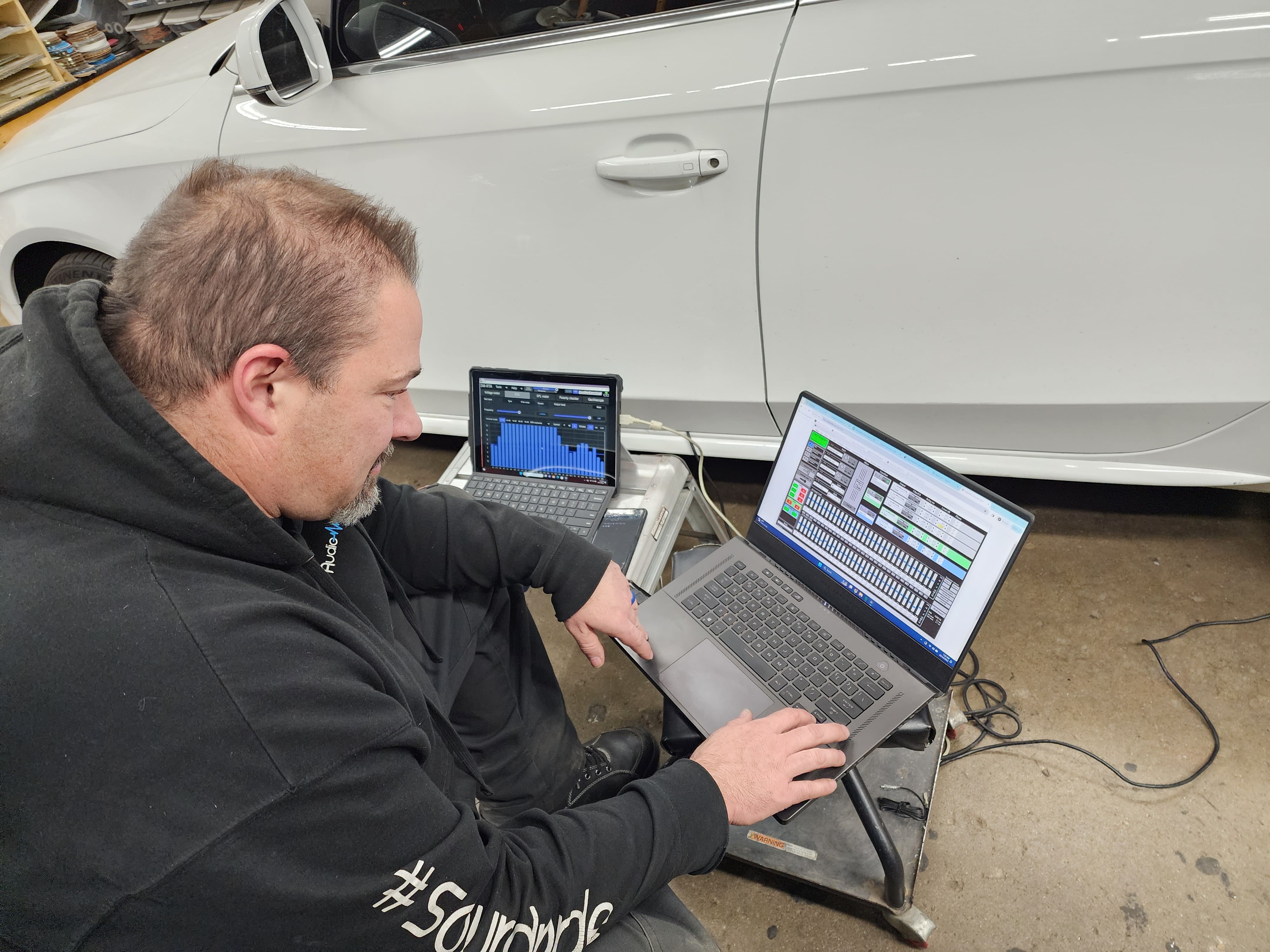
Professionals can also fine-tune your system using advanced equipment like real-time analyzers. This ensures that your audio system delivers balanced, clear sound across all frequencies, creating an immersive listening experience every time you drive.

Seamless System Integration

Professional installers excel at integrating new audio components with your vehicle’s existing systems. This seamless integration preserves your car’s functionality while enhancing its audio capabilities.

They can interface new stereos with steering wheel controls, backup cameras, and other vehicle features. This integration maintains the convenience of your car’s original design while upgrading its audio performance.

For complex setups involving multiple components, professional installation ensures that all parts work together harmoniously. This cohesive approach results in a system that’s greater than the sum of its parts, delivering superior sound quality and user experience.

Enhancing Overall Vehicle Value

A professionally installed car audio system can significantly boost your vehicle’s value and appeal. Let’s explore how this investment can pay off in the long run.

Boost Resale Potential

A high-quality, professionally installed car audio system can increase your vehicle’s resale value. It’s an attractive feature for potential buyers who appreciate good sound and modern technology.

Professional installations look clean and factory-installed, which is more appealing to buyers than DIY setups. This polished appearance suggests the car has been well-maintained overall.

Moreover, having documentation of professional installation can be a selling point. It assures buyers that the audio system was installed correctly and is less likely to cause issues down the road.

Adding Aesthetic Appeal

Professional car audio installation can enhance your vehicle’s interior aesthetics. Installers can create custom panels and mounts that blend seamlessly with your car’s design.

They can integrate new components in ways that complement your car’s interior style. This might include custom-fit speaker grilles or a touchscreen that looks like it came straight from the factory.

For audio enthusiasts, a well-executed installation can be a showpiece. Custom work like illuminated subwoofer enclosures or color-matched components can turn your car’s audio system into a true work of art.

Advanced Technology and Features

Professional car audio installation opens up a world of cutting-edge technology and features that can transform your driving experience. Let’s explore some of the exciting possibilities.

Cutting-Edge Audio Upgrades

Professional installers have access to the latest audio technology and can help you choose components that offer superior sound quality and features.

High-end speakers and amplifiers can dramatically improve sound clarity and power. Installers can also add components like digital signal processors (DSP) to fine-tune your audio for optimal performance.

Advanced head units offer features like high-resolution audio playback, advanced EQ controls, and even time alignment. These technologies allow for a level of audio customization that was once only available in professional recording studios.

Smart Connectivity Options

Modern car audio systems offer a range of connectivity options that professionals can seamlessly integrate into your vehicle.

Bluetooth integration allows for hands-free calling and wireless music streaming. Installers can ensure these features work flawlessly with your car’s existing systems.

Many new head units support smartphone integration through Apple CarPlay or Android Auto. Professional installation ensures these features are properly set up and easy to use while driving.

Some advanced systems even offer Wi-Fi connectivity or built-in navigation. Proper installation of these features can turn your car into a rolling smart device, enhancing both entertainment and practicality.

Long-Term Investment in Quality

Choosing professional car audio installation is a long-term investment in quality and reliability. Let’s examine how this choice can benefit you over time.

Durability and Reliability

Professional car audio installation ensures that your system is built to last. Installers use high-quality materials and proper techniques to secure components and protect wiring.

This attention to detail prevents common issues like loose connections, rattles, or premature wear. A well-installed system is less likely to develop problems over time, even with regular use.

Professional installers also consider factors like heat management and power distribution. These considerations help prevent component failure and ensure your system performs consistently over the years.

Stress-Free Maintenance

A professionally installed car audio system is easier to maintain and service over time. Installers often use organized wiring layouts and clear labeling, making future upgrades or repairs simpler.

If you ever need to service your vehicle, a professionally installed audio system is less likely to interfere with other car components. This can save time and money during regular vehicle maintenance.

Many professional installers offer ongoing support and maintenance services. This means you have a trusted resource for any future audio needs, from system updates to troubleshooting.