Why Professional Window Tinting is a Must for Indianapolis Drivers

Why Car Window Tinting in Indianapolis is Essential for Your Family’s Safety and Comfort

Most drivers in Indianapolis don’t realize how much their car’s interior suffers from sun damage every day. Your family’s comfort and safety depend on more than just a good air conditioner or sunscreen. Car window tinting Indianapolis offers real protection against harmful UV rays and cuts down on heat, keeping your ride cooler and your skin safer. Let’s explore why choosing the right tint, like ceramic vs carbon tint, matters for your car and your loved ones.
Understanding the Need for Car Window Tinting in Indianapolis

Indianapolis Weather and Your Vehicle

Indianapolis experiences all four seasons with hot summers that can reach over 90°F and cold winters dropping below freezing. This weather variety puts extra stress on your vehicle. During summer months, the sun beating through untinted windows can heat your car’s interior to dangerous levels, often exceeding 120°F in just minutes. This extreme heat doesn’t just make your car uncomfortable – it damages your dashboard, seats, and electronics while creating a potentially unsafe environment for children and pets.

Car window tinting Indianapolis services help manage these temperature extremes by blocking solar heat. A properly tinted vehicle can stay up to 60% cooler when parked in direct sunlight compared to untinted cars. This makes a huge difference when you return to your vehicle after shopping or work.

UV Radiation Concerns for Indianapolis Drivers

Did you know that regular car windows block only about 25% of harmful UV rays? That means you and your family are exposed to 75% of damaging radiation during daily drives. Over time, this exposure increases skin cancer risks and accelerates skin aging.

Quality window tint provides UV protection for cars that blocks up to 99% of these harmful rays. Think of window tint as sunscreen that you never have to reapply. This protection works even on cloudy days when UV rays still penetrate through clouds and untinted windows.

Benefits of Window Tint for Indianapolis Families

Health Protection Benefits

The primary health benefit of car window tinting is UV protection. Medical research shows that drivers often develop more skin damage on the left side of their face and left arm due to sun exposure through the driver’s side window. Professional window tinting blocks these harmful rays while still allowing visible light through.

For families with young children, window tint provides constant protection during car rides. Kids have more sensitive skin than adults, making UV protection even more important. Rather than struggling to apply sunscreen before every car trip, window tint offers continuous protection.

People with photosensitive conditions or those taking medications that increase sun sensitivity will find window tinting particularly valuable. The consistent protection means less worry about unexpected sun exposure during daily drives around Indianapolis.

Comfort and Temperature Management

One of the most noticeable benefits of window tint is heat reduction. Heat reduction window film can lower interior temperatures by 15-30 degrees on hot summer days. This means your air conditioning works more effectively and you don’t have to wait as long for your car to cool down.

The comfort extends beyond temperature. Window tint reduces glare that can strain eyes during bright days or when driving at sunset. This improved visibility creates a safer driving experience for everyone in Indianapolis traffic.

During winter months, quality window films help retain interior heat, making your car warm up faster and stay warmer longer. This dual-season benefit makes window tinting a year-round advantage for Indianapolis drivers.

Interior Protection and Vehicle Value

Your car’s interior faces constant assault from UV rays. Over time, this exposure fades upholstery, cracks dashboards, and damages leather seats. Quality window tinting significantly slows this deterioration process.

For luxury vehicle owners, protecting that investment becomes even more important. Higher-end materials like leather and wood trim are particularly vulnerable to sun damage. The protection offered by professional window tinting helps maintain your vehicle’s appearance and resale value.

Many car window tinting Indianapolis customers report that their tint installation paid for itself through preserved interior value and reduced cooling costs. When you eventually sell or trade in your vehicle, the well-preserved interior will command a better price.

Ceramic vs Carbon Tint: Making the Right Choice

Understanding Different Tint Technologies

When considering window tint for your vehicle, you’ll encounter different technology options. The most common types include:

  1. Dyed film: The most basic and affordable option that absorbs heat but may fade over time

  2. Metalized film: Contains tiny metallic particles that reflect heat but can interfere with electronics

  3. Carbon tint: Uses carbon particles to block heat without fading or interfering with signals

  4. Ceramic tint: The premium option using ceramic particles for maximum heat rejection and clarity

Each technology offers different levels of performance, longevity, and price points. Understanding these differences helps you make an informed decision based on your specific needs and budget.

The Carbon Tint Advantage

Carbon tint represents a significant upgrade from basic dyed films. Carbon particles in the film absorb and disperse heat effectively without the signal interference issues of metalized films. This makes carbon tint a popular mid-range option for many Indianapolis drivers.

The benefits of carbon tint include:

  • Good heat rejection (up to 40% of solar heat)

  • No signal interference with GPS, radio, or cell phones

  • Non-reflective matte finish that won’t fade over time

  • Darker appearance without excessive reflectivity

Carbon tint typically lasts 5-7 years before showing signs of wear, making it a good value for most family vehicles. It provides a nice balance of performance and affordability for everyday drivers.

Why Ceramic Tint Is Worth Considering

For Indianapolis drivers wanting the absolute best protection, ceramic tint represents the premium option. Ceramic tint uses nano-ceramic particles that reject heat without absorbing it, creating superior performance.

The advantages of ceramic tint include:

  • Maximum heat rejection (up to 80% of solar heat)

  • Superior clarity and visibility

  • Better glare reduction

  • Longest lifespan (10+ years with proper care)

  • No signal interference with electronic devices

While ceramic tint costs more initially, its superior performance and longer lifespan often make it the better long-term value. For luxury vehicles or families who plan to keep their cars for many years, the ceramic option provides the best protection and comfort.

In the ceramic vs carbon tint debate, consider your specific needs. If maximum performance and longevity matter most, ceramic is worth the investment. If you’re seeking good performance at a more moderate price point, carbon tint delivers excellent value.

Professional Installation: Why It Matters in Indianapolis

The Risks of DIY Tinting

Some Indianapolis car owners consider DIY tinting kits to save money. While these kits are available at auto parts stores, they rarely deliver satisfactory results. Common DIY tinting problems include:

  • Bubbles and wrinkles that never fully disappear

  • Improper cutting that leaves gaps or overlaps

  • Inconsistent darkness between windows

  • Premature peeling and fading

  • Potential legal issues if the tint is too dark

Professional installers have specialized tools and techniques that ensure smooth, bubble-free application. They also understand Indiana’s specific tint laws and can help you choose a legal tint level.

Finding Quality Car Window Tinting Indianapolis Services

When searching for window tinting services in Indianapolis, look for these indicators of quality:

  1. Warranty coverage: Quality installers stand behind their work with lifetime warranties against bubbling, peeling, or color change

  2. Certified technicians: Look for installers certified by major film manufacturers

  3. Proper facility: Clean, indoor installation environments produce better results

  4. Reviews and portfolio: Check previous customer reviews and ask to see examples of their work

  5. Transparent pricing: Clear pricing structures without hidden fees

Take time to visit potential shops and ask questions about their process, materials, and warranties. A reputable installer will happily explain their services and show you samples of different tint options.

Understanding Indianapolis Tint Laws
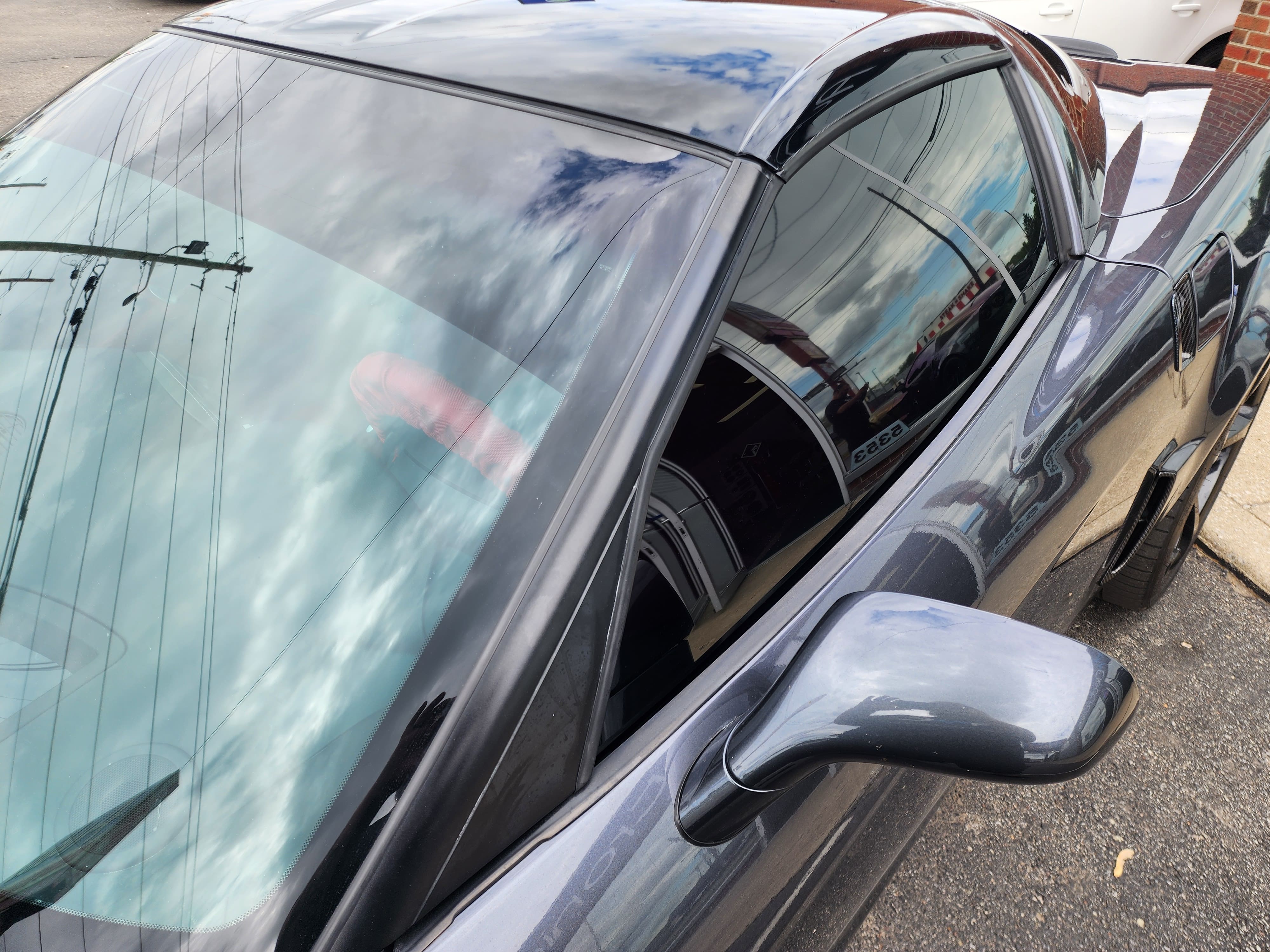
Indiana has specific laws regarding window tinting that all Indianapolis drivers should know:

  • Front side windows must allow more than 30% of light in

  • Back side windows can be any darkness

  • Rear window can be any darkness (if the vehicle has side mirrors)

  • Windshield can only have tint on the top 4 inches

Professional installers understand these regulations and will help you choose legal tint levels. This prevents potential tickets and the expense of removing illegal tint later.

Maintaining Your Window Tint for Maximum Lifespan

Proper Care During Curing Period

After installation, window tint needs time to cure properly. During this period (typically 3-5 days), you should:

  • Keep windows up completely

  • Avoid washing your car

  • Be gentle when rolling windows down if absolutely necessary

Your installer will provide specific instructions based on the film type and current weather conditions. Following these instructions ensures proper adhesion and prevents bubbling or peeling.

Long-Term Maintenance Tips

With proper care, quality window tint can last many years. To maintain your tint:

  1. Clean with non-ammonia cleaners and soft microfiber cloths

  2. Avoid abrasive cleaning tools that might scratch the film

  3. Don’t use window scrapers on tinted surfaces

  4. Clean tinted windows less frequently than untinted glass

Simple maintenance extends your tint’s lifespan and keeps it looking great. Most quality films require minimal special care beyond these basic precautions.

Making the Investment: Cost vs. Value of Car Window Tinting

Understanding Pricing Factors

Car window tinting Indianapolis pricing varies based on several factors:

  1. Vehicle size and window count

  2. Film quality (ceramic films cost more than carbon or dyed)

  3. Warranty length

  4. Complexity of installation

A basic tint package for a standard sedan might start around $200-300 for dyed film, while premium ceramic tint on the same vehicle might cost $400-600. Larger vehicles like SUVs or trucks typically cost more due to their larger and more numerous windows.

The Long-Term Value Proposition

While the upfront cost might seem significant, consider the long-term benefits:

  • Reduced cooling costs and fuel consumption

  • Protected interior that maintains higher resale value

  • Potential insurance savings from glass protection

  • Health benefits from reduced UV exposure

  • Increased comfort for daily driving

When viewed as an investment over 5-10 years, quality window tinting provides excellent returns through preserved vehicle value and enhanced comfort.
How to Choose the Best Window Tint for Your Car

Enhance Your Ride: Exploring the Benefits of Car Window Tinting

Most drivers think all window tints are the same. The truth is, picking the best window tint can change how your car looks and protects you from the sun’s harsh rays. If you want privacy and UV protection window tint that actually works, knowing what to choose makes all the difference. Let’s break down the benefits of window tint and find the right fit for your ride.

Understanding Car Window Tinting

What Is Window Tinting?

Window tinting involves applying a thin film to your car’s windows. This isn’t just about making your ride look cooler (though it does that too!). The best window tint options serve many purposes beyond style. They block harmful UV rays, reduce heat, increase privacy, and can even make your car safer in accidents by holding shattered glass together.

Types of Window Tint Films

Not all tints are created equal. Let’s look at the main types you’ll find in the market:

  1. Dyed Window Tint – This is the most basic and affordable option. A layer of dye is added to the film to absorb solar heat and reduce brightness. It gives your car a darker appearance but might not offer the best UV protection.

  2. Metalized Window Tint – These films have tiny metallic particles that reflect heat and UV rays. They’re more durable than dyed films and won’t fade as quickly, but they can interfere with your phone signal or GPS.

  3. Carbon Window Tint – Carbon films don’t contain any metal, so they won’t block your electronic signals. They offer good heat rejection and UV protection window tint properties while giving your windows a matte finish.

  4. Ceramic Window Tint – The premium option. Ceramic tints use non-conductive ceramic particles that block up to 99% of UV rays without limiting visibility. They provide the best heat rejection without being too dark, making them the best window tint for many car owners.

  5. Hybrid Window Tint – As the name suggests, these combine different technologies (usually dyed and metalized) to give you better performance than basic films at a lower cost than premium options.

Benefits of Window Tint

UV Protection and Health Benefits

One of the biggest benefits of window tint is protection from harmful UV rays. Did you know that regular car windows only block about 37% of UV rays? Quality UV protection window tint can block up to 99% of these harmful rays.

This isn’t just about preventing your dashboard from cracking or your seats from fading. It’s about your health too! Dermatologists often recommend window tinting because it helps prevent skin damage and reduces your risk of skin cancer, especially for people who drive a lot.

Think about it: if you drive an hour each way to work, that’s 10 hours a week of sun exposure on one side of your face and arm. Over time, this can lead to visible aging differences between the two sides of your face!

Temperature Control and Comfort

Have you ever returned to your car after it’s been sitting in the sun, only to feel like you’re stepping into an oven? Car window tinting can reduce the heat inside your vehicle by up to 60%.

This makes your drives more comfortable and means you don’t have to blast your AC as much. Your car cools down faster, and you save on fuel since your air conditioning system doesn’t have to work as hard.

During winter months, quality window tint also helps retain heat inside the car, making your heating system more effective.

Interior Protection

The sun can be brutal on your car’s interior. UV rays cause fading, cracking, and deterioration of your dashboard, seats, and other interior components. The best window tint acts like sunscreen for your car’s interior, extending its life and helping maintain its value.

This protection is especially important if you have leather seats or a premium interior that you want to keep looking nice for years to come.

Enhanced Privacy and Security

Car window tinting gives you more privacy while driving and when your car is parked. Darker tints make it harder for people to see inside your vehicle, which can deter thieves who might otherwise be tempted by visible valuables.

Many car owners choose to tint their rear windows darker than their front windows (where laws permit) to give back-seat passengers extra privacy while maintaining good visibility for the driver.

Glare Reduction and Safer Driving

Bright sunlight and headlights from other vehicles can create dangerous glare while driving. Car window tinting reduces this glare, making it easier to see the road in bright conditions. This isn’t just about comfort; it’s about safety too.

Reducing glare helps prevent eye strain during long drives and can be especially helpful for people with light sensitivity or those who drive during sunrise or sunset hours.

Shatter Protection

Quality window tint films add a layer of protection that helps hold glass together if it breaks. In case of an accident, this can prevent glass from shattering into small, dangerous pieces that could cause injuries.

This added safety feature is something many car owners don’t think about when considering window tinting, but it’s a valuable benefit worth noting.

Choosing the Best Window Tint

Understanding Tint Darkness (VLT Percentage)

VLT stands for Visible Light Transmission, which measures how much light passes through your windows. The lower the percentage, the darker the tint.

For example:

  • 50% VLT means 50% of light passes through (a light tint)

  • 35% VLT means 35% of light passes through (medium tint)

  • 5% VLT means only 5% of light passes through (very dark tint, often called “limo tint”)

Your choice depends on your priorities. Want maximum privacy? Go darker. More concerned about visibility at night? Choose a lighter tint. Remember that most states have laws about how dark your tints can be, especially on front windows.

Legal Considerations Before Tinting

Speaking of laws, they vary widely by location. Some states allow tint as dark as 20% VLT on rear windows but require 70% or higher on front windows. Others have different rules for sedans versus SUVs.

Before investing in car window tinting, check your local regulations. Getting pulled over and having to remove tint you just paid for isn’t fun for anyone!

Also, keep in mind that some states require tint manufacturers to be certified, and your tint may need to be labeled to show it’s legal.

Quality Matters: Professional vs. DIY Tinting

Can you apply window tint yourself? Sure. Should you? That’s another question entirely.

DIY kits are available and can save you money upfront. But professional car window tinting offers several advantages:

  • Proper preparation (thoroughly cleaning windows)

  • Precision cutting to fit your specific windows

  • Professional-grade materials that last longer

  • Installation without bubbles, wrinkles, or debris

  • Warranties that protect your investment

Professional installation typically costs between $200-$800 depending on your car and the quality of film you choose. While this is more than DIY kits, the results usually look better and last much longer.

Selecting the Right Tint for Your Climate

Your local weather should influence your tint choice. Live somewhere hot and sunny like Arizona or Florida? Look for tints with high heat rejection properties, like ceramic or carbon films.

In cooler climates, you might prioritize UV protection window tint over heat rejection. Some premium films can provide excellent UV blocking even in relatively light tints that won’t make your car too dark during cloudy winter days.

Balancing Aesthetics and Functionality

Let’s be honest: many of us want tinted windows because they look cool. There’s nothing wrong with that! The best window tint should match your car’s style while also providing practical benefits.

Dark cars often look great with darker tints, while lighter vehicles might benefit from a more subtle tint that still provides UV protection. Consider your car’s color and your personal style when making your choice.

Maintaining Your Window Tint

Proper Care for Long-Lasting Results

Once you’ve invested in quality car window tinting, you’ll want it to last. Here are some tips:

  1. Wait before cleaning – Don’t clean your windows for at least a week after installation to allow the tint to cure properly.

  2. Use the right cleaners – Avoid ammonia-based products, which can damage tint. Instead, use mild soap and water or cleaners specifically made for tinted windows.

  3. Clean gently – Use soft microfiber cloths rather than paper towels, which can scratch the film.

  4. Watch for bubbles or peeling – If you notice any issues, contact your installer. Many professional jobs come with warranties that cover these problems.

Signs It’s Time to Replace Your Tint

Quality window tint can last 5-10 years or even longer with proper care. But eventually, all tints need replacement. Watch for these signs:

  • Purple discoloration (common with older, lower-quality films)

  • Bubbling or peeling edges

  • Scratches that catch your fingernail

  • Fading or uneven appearance

When these signs appear, it’s time to consider new tint. The good news? Window tinting technology keeps improving, so your replacement will likely perform even better than your original tint.

The Investment Value of Quality Tinting

Cost vs. Benefits Analysis

Let’s talk money. Is car window tinting worth it? Consider these factors:

  • Energy savings – Less AC use means better fuel economy

  • Interior protection – Preserves your car’s value by preventing damage

  • Health protection – Reduces UV exposure, potentially preventing skin damage

  • Comfort – Makes driving more pleasant year-round

  • Security – Adds a layer of protection against break-ins and accidents

When you add up these benefits, quality window tinting often pays for itself over the life of your vehicle.

Increased Resale Value

Cars with well-maintained window tint often sell faster and for better prices than those without. Many buyers see tinting as a valuable feature, especially in sunny regions.

Just make sure your tint is in good condition and complies with local laws. Bubbling, purple tint or illegally dark windows can actually decrease your car’s value rather than enhance it.

How to Choose the Best Window Tint for Your Car

Top Benefits of Car Window Tinting: Enhancing Style, Privacy, and UV Protection

Car window tinting offers a range of benefits that can significantly enhance both the aesthetics and functionality of your vehicle. Window tint not only gives your car a sleek and stylish appearance but also provides privacy by reducing visibility from the outside. It is an effective way to protect the interior of your car from harmful UV rays, which can cause fading and damage over time. Selecting the best window tint for your vehicle involves considering various factors such as the level of darkness, type of tint, and legal regulations in your area. In this post, we will explore the top benefits of car window tinting and how it can improve your driving experience.

Enhancing Vehicle Appearance

Car window tinting can transform your vehicle’s look, giving it a sleek and sophisticated edge. Let’s explore how tinting can elevate your car’s style.

Stylish Window Tint Options

Window tint comes in various shades and finishes, each offering a unique look for your car. From light tints that subtly enhance your windows to darker options that create a bold statement, there’s a style for every taste.

Popular tint options include charcoal, which offers a classic look, and metallic tints that add a modern touch. Some car owners opt for colored tints to match or complement their vehicle’s paint job.

For those seeking a luxurious appearance, ceramic tints provide excellent clarity while rejecting heat and UV rays. These high-end options can give your car a premium look without compromising visibility.

Customizing Your Car’s Look

Window tint allows you to personalize your vehicle’s appearance to match your style. You can choose different tint levels for various windows, creating a unique look that sets your car apart.

Some car enthusiasts use tint to accentuate their vehicle’s lines and curves. For example, a darker tint on the rear windows can create a sleek, tapered look that enhances the car’s profile.

Consider your car’s color when selecting a tint. Lighter vehicles often look great with darker tints, while darker cars can benefit from a more subtle tint that complements their existing color.

Boosting Privacy with Window Tint

Privacy is a key benefit of car window tinting. It can make your vehicle feel more secure and personal, especially in urban environments.

Keeping Prying Eyes Out

Window tint acts as a barrier between your car’s interior and the outside world. It reduces visibility from the outside, keeping your belongings and passengers out of sight.

This added privacy can be particularly useful when you’re parked in public areas. It makes it harder for potential thieves to see valuable items inside your car, potentially deterring break-ins.

For families, tinted windows can provide a sense of security for children in the back seat. It allows them to feel more comfortable during car rides without feeling exposed to strangers.

The Best Window Tint for Privacy

When it comes to privacy, darker tints generally offer more protection. However, it’s important to balance privacy with visibility and legal requirements.

A 20% to 35% tint often provides a good mix of privacy and visibility. These levels significantly reduce the ability to see inside the car while still allowing you to see out clearly.

Remember, the best window tint for privacy should also comply with local laws. Some areas have strict regulations on how dark your tint can be, especially for front windows.

Protecting Against UV Rays

One of the most significant benefits of car window tinting is its ability to block harmful UV rays. This protection can have both cosmetic and health benefits.

How Car Window Tinting Blocks UV

Window tint works by adding a layer to your car’s glass that filters out UV radiation. This layer can block up to 99% of UV rays, depending on the quality and type of tint used.

The tint film contains special compounds that absorb or reflect UV light. This prevents these harmful rays from entering your car and causing damage to your skin or the vehicle’s interior.

Even clear or very light tints can offer significant UV protection. This means you can enjoy the benefits of UV blocking without necessarily darkening your windows.

Health Benefits of Window Tint

By blocking UV rays, window tint can help protect your skin from sun damage while you’re driving. This is especially important for people who spend a lot of time in their cars.

Regular exposure to UV rays through car windows can lead to premature aging and increase the risk of skin cancer. Tinted windows act as a constant sunscreen, reducing this risk.

Window tint can also help prevent eye strain and reduce the risk of cataracts by blocking glare and UV light. This makes driving more comfortable and potentially safer, especially during long trips.

Improving Comfort and Safety

Window tinting doesn’t just enhance your car’s look – it can also make your driving experience more comfortable and safer.

Reducing Glare While Driving

Glare from the sun or headlights can be dangerous, especially during dawn, dusk, or night driving. Window tint helps reduce this glare, improving visibility and reducing eye strain.

The tint film acts as a filter, softening bright light before it reaches your eyes. This can be particularly helpful when driving towards the sun or when bright headlights are reflected in your mirrors.

By reducing glare, window tint can help you maintain better control of your vehicle and react more quickly to road conditions. This can potentially prevent accidents caused by temporary vision impairment.

Temperature Control with Window Tint

Window tint can significantly reduce the heat inside your car, making summer drives more comfortable. It works by reflecting a portion of the sun’s heat away from your vehicle.

This heat reduction can lead to less reliance on air conditioning, potentially improving your car’s fuel efficiency. It’s especially noticeable when you return to a parked car on a hot day.

Some high-quality tints can reject up to 60% of solar heat. This not only keeps you cooler but also helps protect your car’s interior from heat-related damage and fading.

Choosing the Right Tint for Your Car

Selecting the best window tint involves balancing your preferences with legal requirements and practical considerations.

Understanding Tinting Laws

Tinting laws vary by location, so it’s crucial to know your local regulations before installing window tint. These laws typically specify the maximum darkness allowed for each window.

In many areas, front windows have stricter limits than rear windows. Some places also have rules about the reflectiveness of the tint or require stickers to show the tint complies with local laws.

Violating tinting laws can result in fines or failed vehicle inspections. It’s always best to choose a tint that meets legal requirements to avoid these issues.

Tips for Finding the Best Window Tint

When choosing window tint, consider factors like heat rejection, UV protection, and visibility. Higher quality tints often offer better performance in these areas.

Look for reputable brands and professional installers. A well-installed, high-quality tint can last for years without bubbling or peeling.

Consider your climate and driving habits. If you live in a hot area or frequently park in the sun, a tint with high heat rejection might be worth the investment.