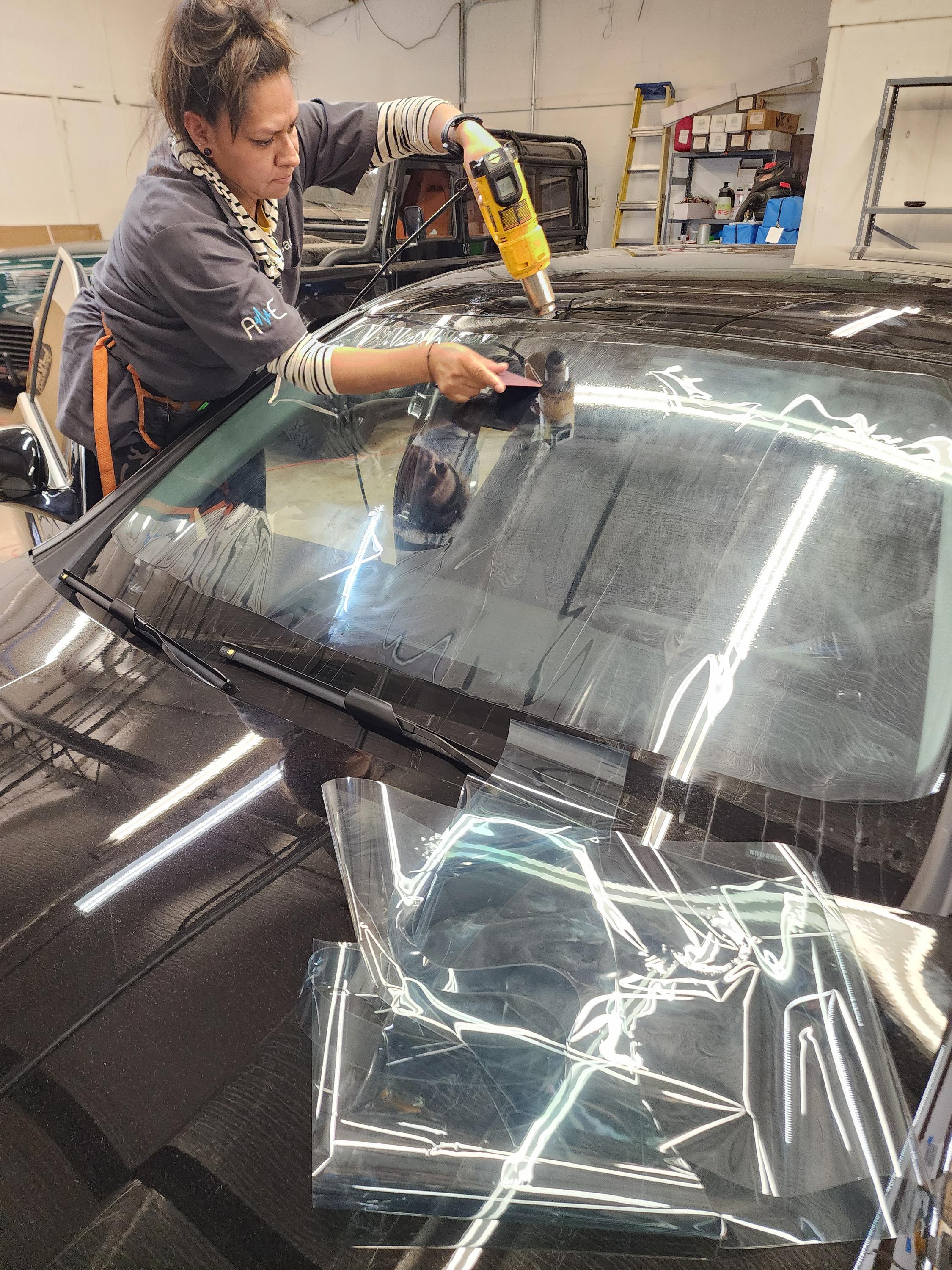
Ceramic Tint vs. Regular Window Tint: Is the Heat Rejection Worth It?
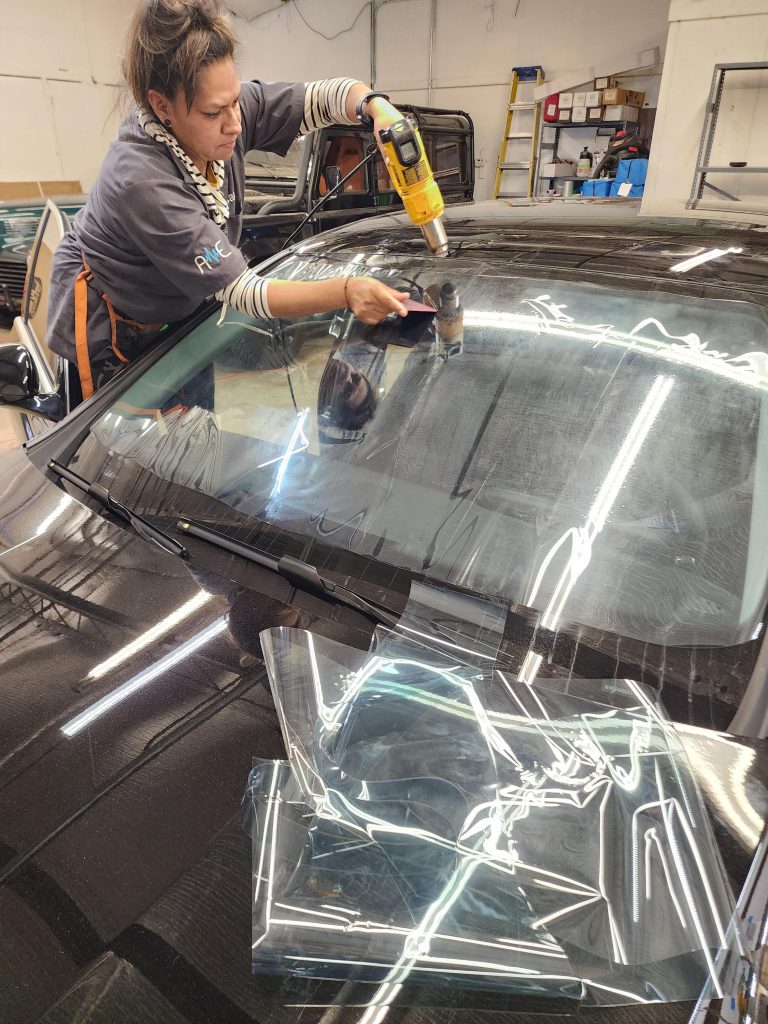
Regular window tint often falls short when Midwest summers push your car’s interior to the limit. You’ve probably wondered if ceramic tint really blocks more heat or if it’s just a pricier option. We’re breaking down ceramic tint vs regular tint, so you can see why ceramic window tint Indianapolis drivers trust offers the best heat rejection window film to keep your car cooler and protect your investment.

Understanding the Heat Problem in Your Vehicle

Ever climbed into your car on a hot summer day and felt like you just opened an oven door? That’s not just uncomfortable. It’s actually damaging your car’s interior every single time it happens. Your dashboard starts cracking, your leather seats fade and dry out, and that new car smell? It gets replaced with the smell of baking plastic and vinyl.

Here’s what most people don’t realize: your windows are letting in way more than just light. They’re allowing infrared radiation to pour into your vehicle, heating everything inside. Even on a mild 75-degree day, your car’s interior can hit 120 degrees or higher. If you’ve got a baby in a car seat or you’re driving a luxury vehicle with premium leather, this heat becomes a serious concern.

Why Standard Window Tint Isn’t Enough Anymore

Traditional window tint works by dyeing the film dark to absorb light. Think of it like wearing a black t-shirt on a sunny day. Sure, it blocks some light, but you’re still going to feel hot because that black fabric absorbs all the heat. Regular tint does the same thing to your car windows.

Most standard tints only reject about 35-45% of the heat coming through your windows. That means more than half of the infrared radiation is still getting through, heating up your car’s interior, and making your air conditioning work overtime just to keep things comfortable.

What Makes Ceramic Window Tint Different?

Let me explain what sets ceramic window tint Indianapolis shops install apart from regular options. Instead of relying on dyes that absorb heat, ceramic tint uses nano-ceramic particles that actually reflect infrared radiation away from your vehicle. It’s like having a shield that bounces the heat back outside before it ever enters your car.

The Science Behind Heat Rejection Window Film

Ceramic window tint contains millions of tiny ceramic particles embedded in the film. These particles are non-conductive and non-metallic, which means they won’t interfere with your phone signal, GPS, or radio (more on that later). What they do is create a barrier that reflects up to 99% of UV rays and rejects up to 80% of infrared heat.

When you compare ceramic tint vs regular tint side by side, the difference is pretty amazing. On a 90-degree day, a car with regular tint might have an interior temperature of 110-115 degrees after sitting in the sun. That same car with ceramic tint? You’re looking at temperatures around 85-95 degrees. That’s a 20-30 degree difference, and your air conditioning will thank you for it.

Real Benefits You’ll Notice Right Away
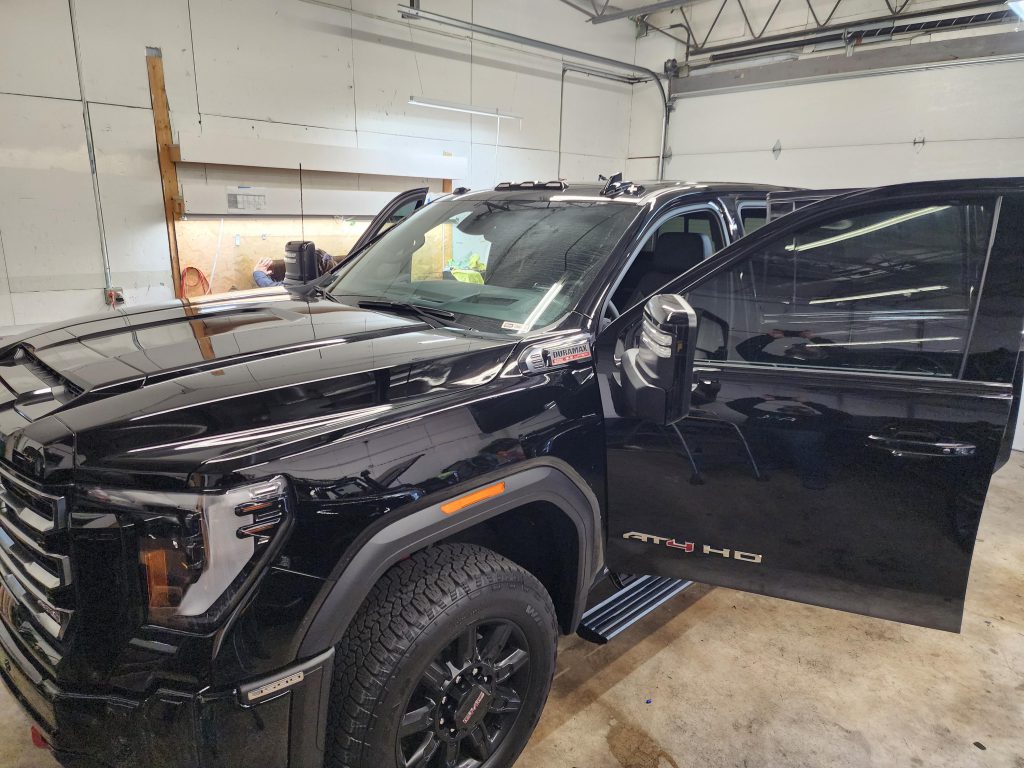
Let’s talk about what this means for you as a driver. I’m not just throwing numbers at you. These benefits translate into real, everyday improvements in your driving life.

Your Car Stays Cooler From the Start

Remember that oven-like feeling when you first get in your car? With the best window tint for cars (which is ceramic, by the way), that initial blast of heat is way less intense. You’re not sitting there waiting for the AC to catch up while sweat drips down your back. Your car is already closer to a comfortable temperature when you climb in.

Your Interior Stays Looking New

UV rays are brutal on car interiors. They fade leather, crack dashboards, and turn your beautiful interior into something that looks 10 years older than it should. Ceramic window tint blocks 99% of those damaging UV rays. If you’ve invested in a luxury vehicle with premium materials, this protection is worth its weight in gold.

I’ve seen cars that are five or six years old with ceramic tint, and their interiors look almost brand new. Meanwhile, similar cars without proper protection have faded seats, cracked dashes, and that worn-out look that kills resale value.

Your Kids and Passengers Stay Protected

Got little ones in car seats? UV protection isn’t just about your car’s materials. It’s about protecting your family’s skin too. Those same UV rays that damage your dashboard can cause sunburn and long-term skin damage to your passengers, especially kids who might be sitting by the window for long trips.

Parents love ceramic window tint because it gives them peace of mind. Your baby isn’t getting blasted with harmful UV rays during your daily errands, and the cooler interior means they’re more comfortable too.

You’ll Save Money on Gas

Here’s something people don’t always think about: when your car stays cooler, your air conditioning doesn’t have to work as hard. That means your engine isn’t working as hard either, and you’re burning less fuel. Over time, the money you save on gas helps offset the initial investment in quality ceramic tint.

Some drivers report their AC now cools their car in half the time it used to take. That’s less idling, less fuel consumption, and a smaller environmental footprint.

Breaking Down Ceramic Tint vs Regular Tint

Let’s get specific about the differences. When you’re shopping around, you need to know what you’re actually comparing.

Heat Rejection Performance

Regular tint: 35-45% heat rejection
Ceramic tint: 60-80% heat rejection

That gap is huge. We’re talking about nearly double the performance when you go with ceramic. On those brutal Midwest summer days when the temperature hits 95 degrees and the humidity makes it feel like 105, that extra heat rejection makes your car feel like a completely different vehicle.

UV Protection

Regular tint: 85-95% UV rejection
Ceramic tint: 99% UV rejection

Both options offer good UV protection, but ceramic takes it to the next level. That extra 4-14% might not sound like much, but over years of ownership, it makes a real difference in how well your interior holds up.

Visibility and Appearance

Here’s where ceramic really shines. Regular tint needs to be darker to block more heat, which can make it harder to see out of your windows at night. Ceramic window tint can be lighter in shade while still providing superior heat rejection. You get better visibility without sacrificing performance.

Plus, ceramic tint doesn’t have that purple or bronze tint that cheaper films develop over time. It stays clear and neutral, maintaining that factory-fresh look year after year.

Signal Interference

Got a newer car with all the tech features? Metallic tints can interfere with your cell signal, GPS, satellite radio, and even your tire pressure monitoring system. Ceramic tint is completely non-metallic, so all your electronics work exactly as they should.

This is a big deal if you rely on your phone for navigation or if you’re constantly on calls during your commute. Nothing’s more frustrating than dropped calls because your window tint is blocking your signal.

Longevity and Warranty

Regular tint might last 3-5 years before it starts fading, bubbling, or peeling. Quality ceramic window tint Indianapolis installers provide often comes with lifetime warranties because the film is built to last as long as you own your vehicle.

Think about that for a second. You’re not going to need to replace it every few years. You install it once, and you’re done. That makes the higher upfront cost way more reasonable when you factor in long-term value.

Is Ceramic Window Tint Worth the Investment?

I get it. Ceramic tint costs more upfront than regular tint. You might pay 2-3 times as much for ceramic compared to standard dyed film. But let’s look at what you’re actually getting for that money.

The Cost Breakdown

Regular window tint might run you $150-300 for a full car. Ceramic window tint typically costs $400-800 depending on your vehicle and the quality of the film. That difference feels significant when you’re writing the check.

But here’s what that extra money buys you:

You’re getting heat rejection window film that actually keeps your car cool, not just darker windows. You’re protecting your interior from UV damage that would cost thousands to repair or replace. You’re extending the life of your leather seats, dashboard, and other interior components. You’re improving your fuel economy by reducing AC usage. And you’re getting a product that lasts the lifetime of your vehicle instead of needing replacement every few years.

When Ceramic Tint Makes the Most Sense

If you’re driving a luxury vehicle, ceramic is a no-brainer. You’ve already invested serious money in premium materials and finishes. Why would you skimp on protecting that investment?

For parents with young kids, the UV protection and cooler interior temps make ceramic tint one of the best upgrades you can make. Your children’s comfort and safety are worth way more than the price difference.

And if you’re someone who keeps your cars for a long time, ceramic tint pays for itself in preserved interior condition and reduced AC costs. When it comes time to sell or trade in, your car’s interior will look years newer than similar vehicles without protection.

Choosing the Best Window Tint for Cars
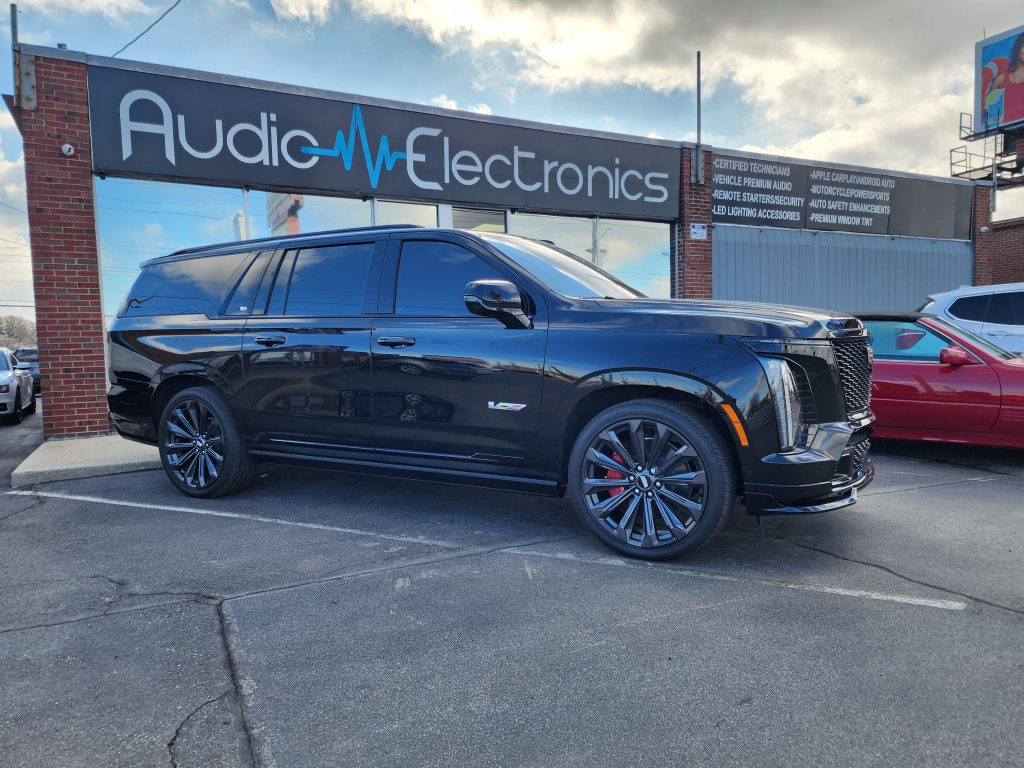
Not all ceramic tints are created equal. When you’re shopping for the best window tint for cars, you need to know what questions to ask and what to look for.

Quality Indicators

Look for brands that specialize in ceramic technology. Names like 3M, LLumar, and SunTek are industry leaders for good reason. They invest in research and development to create films that actually perform as advertised.

Ask about the ceramic particle content. Higher-quality films have a denser concentration of ceramic particles, which means better heat rejection. Cheaper “ceramic” tints might only have a small amount of ceramic mixed with dyed film, giving you performance that’s not much better than regular tint.

Installation Matters Just as Much as the Film

Here’s something people overlook: even the best window tint for cars won’t perform well if it’s installed poorly. You need an experienced installer who knows how to work with ceramic film.

Ceramic tint is more rigid than regular film, which means it requires different techniques and more skill to install properly. A good installer will prep your windows correctly, use quality tools, and take their time to get everything perfect. You shouldn’t see any bubbles, creases, or gaps when the job is done.

Warranty and Support

Any reputable ceramic window tint Indianapolis shop should offer a solid warranty. Look for lifetime warranties against bubbling, peeling, fading, and delamination. The manufacturer’s warranty should cover the film itself, and the installer’s warranty should cover the workmanship.

Make sure you understand what’s covered and what’s not. Some warranties are transferable if you sell your car, which can actually increase your vehicle’s resale value.

Legal Considerations in Indiana

Before you tint your windows, you need to know the legal limits. Indiana has specific laws about how dark your tint can be.

For front side windows, you can’t go darker than 30% VLT (visible light transmission). That means 30% of light needs to pass through the film. For back side windows and rear windows, any darkness is legal if you have side mirrors.

The windshield can have tint on the top 5 inches, but it can’t extend below the AS-1 line marked on most windshields.

Here’s the good news: because ceramic tint provides superior heat rejection even at lighter shades, you can stay legal while still getting great performance. You don’t need to go super dark to stay cool.

Common Questions About Ceramic Window Tint

Will Ceramic Tint Make My Car Too Dark?

Not if you choose the right shade. Ceramic technology lets you get excellent heat rejection with lighter tints. A 35-40% ceramic tint will keep you legal in Indiana while still blocking way more heat than a much darker regular tint.

How Long Does Installation Take?

Plan on leaving your car for 2-4 hours for a full installation. The installer needs time to clean and prep your windows, cut the film precisely, and apply it without any imperfections. Rush jobs lead to poor results, so give your installer the time they need to do it right.

Can I Wash My Car Right After Installation?

You’ll need to wait about a week before washing your car or rolling down your windows. The film needs time to cure and bond properly to the glass. Your installer will give you specific care instructions to follow.

What If I Have a Newer Car With Built-In Tint?

Many newer vehicles come with factory tint, but it’s usually pretty light and doesn’t offer much heat rejection. You can add ceramic tint over factory tint for even better protection. Just make sure the combined darkness stays within legal limits.

Making Your Decision

When you’re weighing ceramic tint vs regular tint, think about your priorities. Are you just looking for privacy and a darker appearance? Regular tint might be fine. But if you want real heat rejection, UV protection, and long-term value, ceramic is the clear winner.

For drivers in the Midwest dealing with intense summer heat, ceramic window tint Indianapolis professionals install isn’t just a luxury. It’s a practical upgrade that makes your daily driving more comfortable while protecting your investment.

Think about how much time you spend in your car. If you’re commuting daily, running errands with kids, or taking road trips, the comfort difference adds up quickly. Every time you get in your car and it’s not blazing hot, you’ll appreciate the decision to go with quality ceramic tint.

Finding the Right Installer

Once you’ve decided on ceramic tint, the next step is finding someone who can install it properly. Look for shops that specialize in window tinting rather than places that offer it as a side service. You want technicians who do this every day and have experience with ceramic films specifically.

Check reviews and ask to see examples of their work. A good shop will be happy to show you cars they’ve tinted and explain their process. They should be willing to answer all your questions about the film they use, the warranty they offer, and the legal requirements in your area.

Don’t make your decision based solely on price. The cheapest option usually means either lower-quality film or less experienced installation. Either way, you end up with results that won’t last. It’s better to save up a bit longer and get it done right the first time.

The Bottom Line on Heat Rejection Window Film

Your car’s interior is taking a beating every time you park in the sun. UV rays are fading your seats and cracking your dashboard. Heat is making your car uncomfortable and forcing your AC to work overtime. And if you’re doing nothing to stop it, you’re watching your car’s value decrease faster than it should.

Ceramic window tint solves all of these problems. It’s not just about making your car look cool (though it does that too). It’s about protection, comfort, and long-term value. The technology behind ceramic film has come a long way, and the performance difference compared to regular tint is significant and measurable.

Yes, it costs more upfront. But when you factor in the protection it provides, the money you save on fuel and AC wear, and the fact that you’ll never need to replace it, ceramic tint is actually the more economical choice over the life of your vehicle.

If you’re serious about protecting your car and making it more comfortable to drive, ceramic window tint is one of the best upgrades you can make. It’s not flashy or loud, but every single time you get in your car, you’ll notice the difference. And years down the road when your interior still looks great, you’ll be glad you made the investment.

Ready to give your car the protection it deserves? Start by finding a quality installer in your area who works with premium ceramic films. Ask questions, compare options, and make sure you understand exactly what you’re getting. Your car (and your passengers) will thank you every time you hit the road on a hot summer day.

Frequently Asked Questions

Is ceramic window tint really worth the extra cost compared to regular tint?
Yes, ceramic tint is worth the investment for most drivers. It blocks 60-80% of heat compared to just 35-45% with regular tint, protects 99% of UV rays, and lasts the lifetime of your vehicle without fading or bubbling. If you plan to keep your car for several years or want to protect a premium interior, the extra cost pays for itself through better performance and longevity.

How much does ceramic window tint typically cost for a full car?
Ceramic window tint usually costs between $400-800 for a complete vehicle, depending on your car’s size and the quality of film used. Regular tint costs $150-300, but needs replacement every 3-5 years and provides significantly less heat and UV protection. The higher upfront cost of ceramic delivers better value over time.

Will ceramic window tint interfere with my phone or GPS signal?
No, ceramic window tint will not interfere with your electronics. Unlike metallic tints that can block cell signals, GPS, and radio reception, ceramic tint is non-metallic and non-conductive. All your phone, navigation, satellite radio, and other electronic features will work exactly as they did before installation.

How long does ceramic window tint last before it needs to be replaced?
Quality ceramic window tint typically lasts the entire life of your vehicle when properly installed and maintained. Most reputable installers offer lifetime warranties against bubbling, peeling, and fading because ceramic film is built to last 10-15+ years. Regular tint usually needs replacement every 3-5 years as it fades and deteriorates.

Can I install ceramic window tint myself to save money?
While DIY installation is possible, it’s not recommended for ceramic tint. Ceramic film is more rigid than regular tint and requires specialized tools, techniques, and experience to install without bubbles or creases. Poor installation voids warranties and wastes your investment. Professional installation ensures proper performance and longevity.
Ceramic vs. Carbon Window Tint: Which is Best for Indiana Weather?

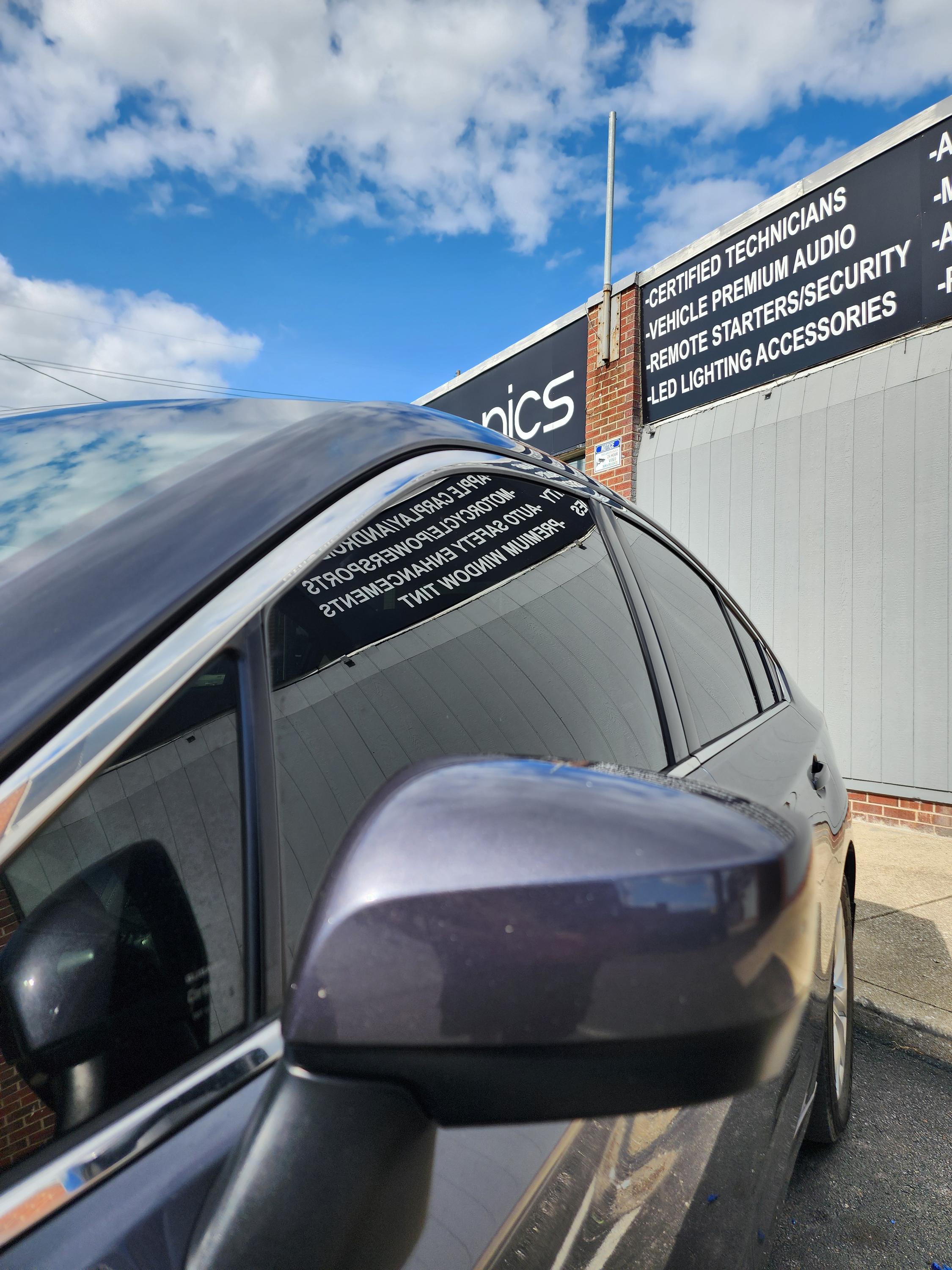
Gray sedan with dark tinted side windows parked outside a shop listing audio, security and tint services.

Indiana summers can push your car’s interior to uncomfortable levels fast. Choosing between ceramic window tint Indianapolis and other options often leaves drivers stuck wondering which film truly suits the local heat and sun. When it comes to carbon vs ceramic tint, understanding how each handles UV protection car tint needs is key. Let’s break down the best window tint for cars in Indy before you make your next auto window tinting Indy appointment.

What Makes Window Tint Different?

You’ve probably noticed tinted windows on cars around Indianapolis and thought they just looked cool, right? Well, there’s way more going on than just aesthetics. Window tint isn’t a one-size-fits-all product. Different types of film use different materials, and those materials make a huge difference in how well your tint performs.

Think of it like choosing between regular headphones and noise-canceling ones. Sure, they both play music, but the technology inside makes the listening experience totally different. The same goes for window tint. Some films just block light, while others tackle heat, UV rays, and glare all at once.

The Main Players in Auto Window Tinting Indy

When you’re shopping for the best window tint for cars, you’ll run into a few main types. There’s dyed film, which is the most basic and budget-friendly option. Then you’ve got metalized tint, which adds a reflective layer. But the two that really stand out for performance are carbon and ceramic tints.

Carbon and ceramic films represent the top tier of window tinting technology. They’re what you want when you’re serious about protecting your car’s interior and staying comfortable during those brutal Indiana summer days.

Breaking Down Carbon Window Tint

Let’s talk about carbon tint first. This stuff has been around for a while and has built up a solid reputation among car owners who want quality without breaking the bank.

How Carbon Tint Works

Carbon window tint uses millions of tiny carbon particles embedded in the film. These particles block infrared light, which is what makes your car feel like an oven when it’s been sitting in the sun. The carbon doesn’t use metal, so you won’t have any issues with radio signals or GPS interference.

What’s really cool about carbon film is that it has a matte finish that looks sleek and professional. You won’t get that shiny, mirror-like appearance that some cheaper tints have. It’s subtle but definitely noticeable in a good way.

The Benefits You’ll Actually Notice

So what does carbon tint do for you day-to-day? First off, it blocks around 40% of infrared rays. That means your AC doesn’t have to work as hard, and you’re not sweating through your shirt on the drive home from work.

Carbon tint also won’t fade over time like dyed films do. You know how some older cars have that purple-ish tint that looks cheap? That won’t happen with carbon. The color stays true for years, which means your investment actually lasts.

And here’s something people don’t always think about: carbon tint adds a bit of structural strength to your windows. It’s not going to stop a break-in, but it does help hold glass together in an accident.

Where Carbon Tint Falls Short

Now, carbon tint is great, but it’s not perfect. While it blocks a good chunk of heat, it doesn’t perform quite as well as ceramic when things get really hot. During those 95-degree Indiana summer days with high humidity, you might still feel some heat coming through.

Carbon tint also blocks around 99% of UV rays, which is excellent for UV protection car tint purposes. But again, ceramic edges it out slightly in this department too.

Understanding Ceramic Window Tint Indianapolis Options

Alright, now let’s get into ceramic tint. This is the premium option, and there’s a reason why it costs more.

The Technology Behind Ceramic Tint

Ceramic window tint uses nano-ceramic particles instead of carbon or metal. These particles are super small and incredibly effective at blocking heat and UV rays. The technology is actually pretty amazing when you think about it.

What makes ceramic special is that it blocks heat without needing to be super dark. You can get a lighter shade of ceramic tint and still get better heat rejection than a darker carbon film. That’s a big deal if you want to stay legal with tint laws while still getting maximum performance.

Why Ceramic Tint Stands Out

When we talk about carbon vs ceramic tint, ceramic wins on pure performance. It blocks up to 50% or more of infrared rays, which is noticeably better than carbon. On a hot summer day, that extra 10% makes a real difference in your comfort level.

Ceramic tint also blocks up to 99.9% of UV rays. That extra 0.9% might not sound like much, but over years of sun exposure, it helps protect your dashboard, seats, and steering wheel from fading and cracking. Plus, it protects your skin during long drives.

Here’s another bonus: ceramic tint doesn’t interfere with any electronic signals. Your phone, GPS, radio, and keyless entry all work perfectly. Some cheaper tints can cause issues, but ceramic is completely transparent to radio waves.

The Clarity Advantage

One thing people love about ceramic window tint Indianapolis installations is the clarity. You get excellent visibility both during the day and at night. The film doesn’t have that hazy quality that some other tints can have.

This matters more than you might think. When you’re driving at night or in bad weather, you want to see clearly. Ceramic tint gives you protection without compromising your view of the road.

The Investment Factor

Let’s be real: ceramic tint costs more upfront. Depending on your vehicle and the shop you choose for auto window tinting Indy services, you might pay 30-50% more than you would for carbon tint.

But here’s how I look at it. You’re making an investment in your car’s comfort and protection. Ceramic tint lasts longer, performs better, and protects more effectively. Over the life of your vehicle, that extra cost often pays for itself in comfort and preserved interior condition.

Indiana Weather: Why It Matters for Your Choice

You might be wondering, does Indiana weather really make that much difference in choosing between carbon and ceramic tint? The answer is absolutely yes.

Summer Heat and Humidity

Indiana summers are no joke. We regularly see temperatures in the 90s with humidity that makes it feel even hotter. Your car sitting in a parking lot can easily reach 130-140 degrees inside.

Both carbon and ceramic tint help with this, but ceramic’s superior heat rejection really shines during peak summer. That extra performance means you’re comfortable faster after getting in your car, and your AC works less hard throughout your drive.

Winter Considerations

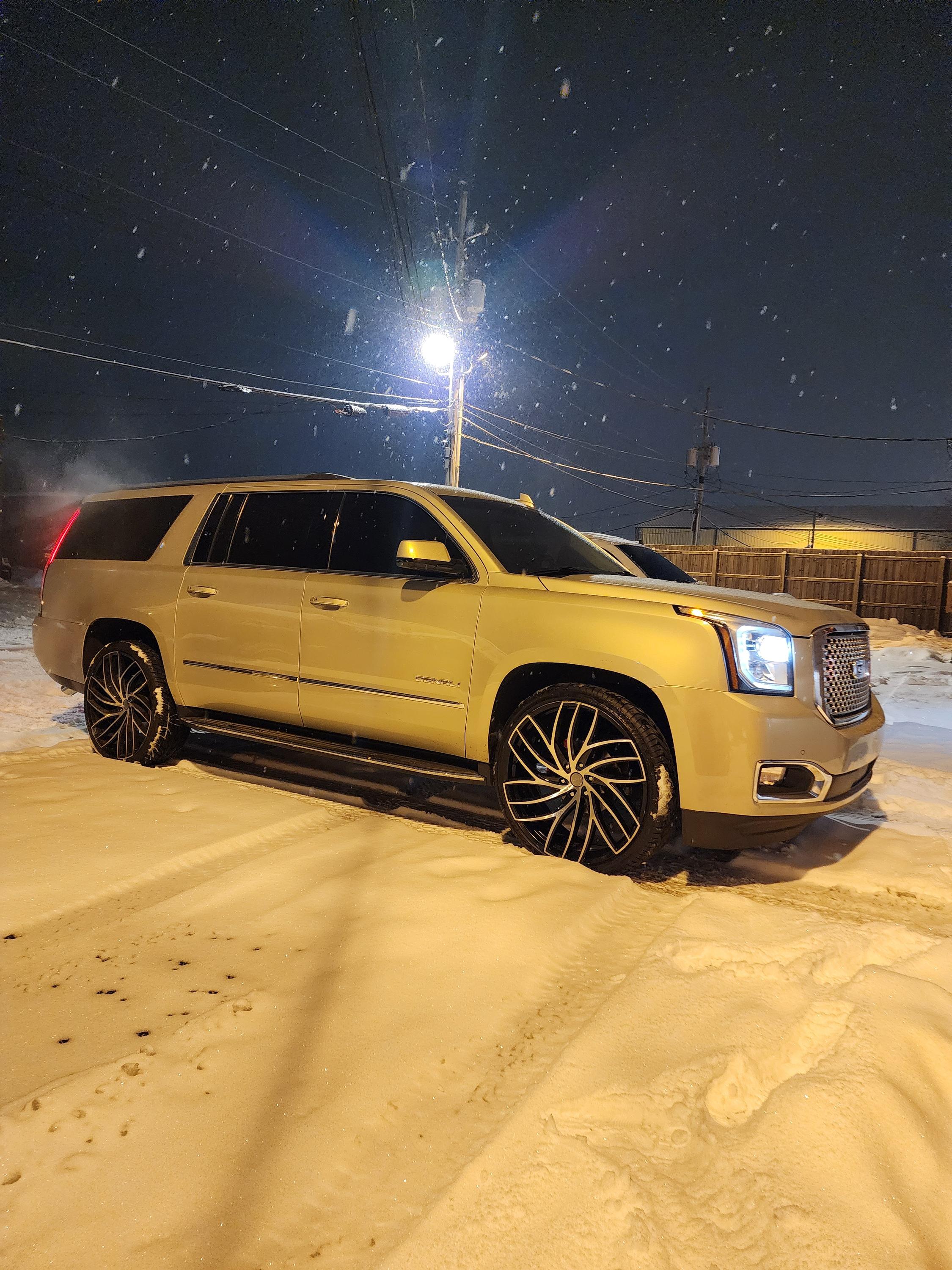
Full size SUV with dark tinted windows parked on packed snow at night under a bright street light.

Here’s something people don’t always think about: tint helps in winter too. Good window film actually provides a bit of insulation, helping to keep heat inside your car. Both carbon and ceramic do this, but ceramic’s properties make it slightly more effective.

Plus, UV rays don’t take a break in winter. The sun might not feel as hot, but those UV rays are still damaging your interior and your skin. Year-round UV protection car tint coverage is smart thinking.

Seasonal Changes

Indiana’s weather swings can be pretty wild. We go from freezing winters to hot summers, with everything in between. Window tint that can handle these temperature changes without peeling, bubbling, or fading is what you need.

Both carbon and ceramic handle temperature fluctuations well, but ceramic’s stability gives it an edge for long-term durability in our climate.

Making the Best Window Tint for Cars Decision

So how do you actually choose between these two great options? Let’s break it down based on different priorities.

If Budget is Your Main Concern

Carbon tint gives you excellent performance for a more reasonable price. You’re still getting professional-grade protection that’ll last for years. If you need to watch your spending but still want quality, carbon is a smart choice.

Think of it this way: carbon tint gets you maybe 80-85% of ceramic’s performance for about 60-70% of the cost. That’s solid value.

If Performance is Everything

When you want the absolute best window tint for cars and money isn’t the main issue, ceramic is the way to go. You’re getting top-tier heat rejection, maximum UV protection, and the best clarity available.

For people who spend a lot of time in their cars or who have leather interiors worth protecting, ceramic tint is worth every penny.

If You’re Keeping Your Car Long-Term

Planning to keep your car for 10+ years? Ceramic tint makes even more sense. The superior protection helps maintain your interior’s condition, which protects your resale value down the road.

Your dashboard, seats, and trim will look newer for longer. That’s real money saved on potential repairs and higher value when you eventually sell or trade in.

What About Indiana Tint Laws?

Before you book your auto window tinting Indy appointment, you need to know the legal limits. Indiana has specific rules about how dark your tint can be.

The Legal Limits

In Indiana, your front side windows must allow more than 30% of light through. Your back side windows and rear window can be any darkness you want. The windshield can have tint on the top few inches, but not across the whole thing.

These laws apply to both carbon and ceramic tint. The good news? Both types come in various shades, so you can stay legal while still getting great protection.

Why Ceramic Helps You Stay Legal

Here’s where ceramic really helps. Because it rejects heat so well even in lighter shades, you can choose a 35% or 40% tint and still get excellent performance. You stay well within the legal limit while getting serious heat and UV protection.

With carbon tint, you might be tempted to go darker to get better heat rejection. That could put you over the legal line. Ceramic lets you stay legal and comfortable.

The Installation Process Matters

Installer uses a heat gun and a squeegee to shrink and shape window film across a car windshield indoors.

Whether you choose ceramic window tint Indianapolis or carbon film, professional installation is critical. The best film in the world won’t perform right if it’s installed poorly.

Why DIY Usually Doesn’t Work

I get it, saving money is tempting. But window tinting is tricky. You need a clean, controlled environment, the right tools, and lots of practice to do it right. Bubbles, creases, and peeling edges are common with DIY jobs.

A professional shop has the experience to cut the film precisely for your car’s windows, apply it without bubbles, and make sure the edges seal properly. That’s what makes the tint last for years instead of months.

What to Look for in a Shop

When you’re searching for auto window tinting Indy services, look for shops with good reviews and experienced installers. Ask about warranties too. Quality shops stand behind their work with guarantees against peeling, bubbling, and fading.

Don’t just go with the cheapest quote. A few extra dollars for a reputable installer means your tint will look better and last longer.

Real-World Performance Comparison

Let’s get practical. What’s the actual difference you’ll feel between carbon vs ceramic tint on a typical day?

The Summer Parking Lot Test

Your car’s been sitting in the sun for a few hours. With no tint, the interior might be 140 degrees. With carbon tint, you might see that drop to around 115-120 degrees. With ceramic, you’re looking at closer to 105-110 degrees.

That 10-15 degree difference between carbon and ceramic is noticeable. Your steering wheel isn’t as painful to touch. Your seats don’t burn. You’re comfortable faster.

The Long Drive Scenario

On a three-hour highway drive in summer, both tints help your AC work more efficiently. But with ceramic, you’ll probably use less fuel because your AC doesn’t have to run as hard. Over time, that adds up.

You’ll also notice less glare with ceramic, which reduces eye strain. That matters on long drives when the sun’s at just the wrong angle.

Winter Benefits

In winter, both tints help hold heat inside your car. The difference is smaller here, but ceramic’s insulating properties do give you a slight edge. You might notice your car stays warm a bit longer after you turn it off.

Cost Breakdown and Value

Let’s talk numbers. What are you actually looking at spending?

Typical Pricing

For a standard sedan, carbon tint might run you $200-$350 for all windows. Ceramic window tint Indianapolis installations typically range from $300-$600 for the same car.

Larger vehicles like SUVs or trucks cost more because there’s more window area to cover. You might see prices of $300-$500 for carbon and $450-$800 for ceramic on bigger vehicles.

The Long-Term Value Equation

Here’s how to think about the price difference. Let’s say ceramic costs you $200 more than carbon. Over 10 years, that’s $20 per year. For better heat rejection, superior UV protection, and longer-lasting performance, that’s a pretty small premium.

Factor in potential savings on AC wear, interior protection, and comfort, and ceramic often pays for itself over the life of your vehicle.

Common Questions About Window Tint

Let’s tackle some questions that come up all the time.

Will Tint Make My Windows Harder to See Through at Night?

Quality tint shouldn’t significantly impact nighttime visibility. Ceramic tint especially maintains excellent clarity. If you’re worried about this, go with a lighter shade like 35% or 40%. You still get great protection without compromising your view.

How Long Does Tint Last?

Carbon tint typically lasts 5-7 years before you might see some fading or wear. Ceramic can last 10+ years with proper care. Both last longer than cheaper dyed films, which often start looking bad after just 2-3 years.

Can I Tint My Windshield?

In Indiana, you can only tint the top portion of your windshield. Most shops will add a strip across the top that helps with sun glare. Full windshield tinting isn’t legal, and it’s not safe either since it reduces visibility too much.

Does Tint Really Protect My Interior?

Absolutely. UV rays are the main cause of fading, cracking, and deterioration in car interiors. Both carbon and ceramic tint block over 99% of UV rays, which dramatically slows down this damage. Your dash, seats, and door panels will look newer for longer.

Making Your Final Decision

So where does all this leave you? Both carbon and ceramic are excellent choices that’ll serve you well. The best window tint for cars really depends on your specific situation.

Choose Carbon If…

You want great performance at a more accessible price point. You’re working with a tighter budget but still want quality that lasts. You’re happy with very good heat rejection even if it’s not the absolute best available.

Carbon tint is a smart, practical choice that gives you serious benefits over cheaper options without the premium price of ceramic.

Choose Ceramic If…

You want maximum performance and are willing to pay for it. You keep your cars long-term and want the best protection for your interior. You spend lots of time driving and want the most comfortable experience possible.

Ceramic window tint Indianapolis installations represent the top of the line. You’re getting the best UV protection car tint technology available.

Finding the Right Auto Window Tinting Indy Shop

Once you’ve decided between carbon vs ceramic tint, finding a quality installer is your next step.

Questions to Ask

When you call shops, ask about their experience with both carbon and ceramic films. Find out what brands they use. Quality manufacturers like 3M, LLumar, and SunTek make both types and stand behind their products.

Ask about warranties too. Good tint should come with a warranty covering installation defects and film performance. Lifetime warranties aren’t uncommon for quality ceramic tint.

Red Flags to Watch For

Be cautious if a shop can’t explain the difference between film types or pushes you toward one without understanding your needs. A good shop will ask about your priorities and help you make an informed choice.

Super cheap prices are usually a warning sign. Quality film and professional installation cost money. If someone’s offering prices way below everyone else, they’re probably cutting corners somewhere.

Taking Care of Your New Tint

After you get your windows tinted, a little care goes a long way.

The First Few Days

Don’t roll your windows down for at least 3-5 days after installation. The film needs time to fully cure and adhere to the glass. Rolling them down too soon can cause peeling or bubbling.

You might see some haziness or small water bubbles at first. This is normal and will disappear as the tint cures.

Long-Term Maintenance

Clean your tinted windows with a soft cloth and cleaner made for tinted windows. Avoid ammonia-based cleaners, which can damage the film over time. A simple mix of water and a drop of dish soap works great.

Be gentle around the edges. Don’t use abrasive materials or scrape at the film. Treat it right, and it’ll last for many years.

The Bottom Line on Carbon vs Ceramic

Both carbon and ceramic window tints offer serious benefits over basic dyed films or no tint at all. You’re getting heat reduction, UV protection car tint performance, glare reduction, and privacy.

Carbon gives you excellent value with strong performance. It’s a smart middle-ground option that delivers real results without the premium price.

Ceramic represents the peak of tinting technology. If you want the absolute best and can handle the higher cost, it’s worth it for the superior heat rejection, maximum UV protection, and long-term durability.

For Indiana’s climate with hot, humid summers and cold winters, both handle the conditions well. Ceramic edges ahead in extreme heat, which we definitely get during July and August.

Think about how long you’ll keep your car, how much you drive, and what your budget allows. There’s no wrong choice between these two, just the right choice for your specific needs.

When you’re ready to move forward, find a reputable shop offering auto window tinting Indy services. Talk through your options, get a quote, and make the investment in your comfort and your car’s protection.

Your future self will thank you every time you get into a cool, comfortable car on a blazing summer day. And your interior will stay looking newer for years to come. That’s what quality window tint is all about.

Still weighing carbon against ceramic? Our installers will help you choose. See window tinting in Indianapolis for what to expect, or compare every shade on the window tint page.