
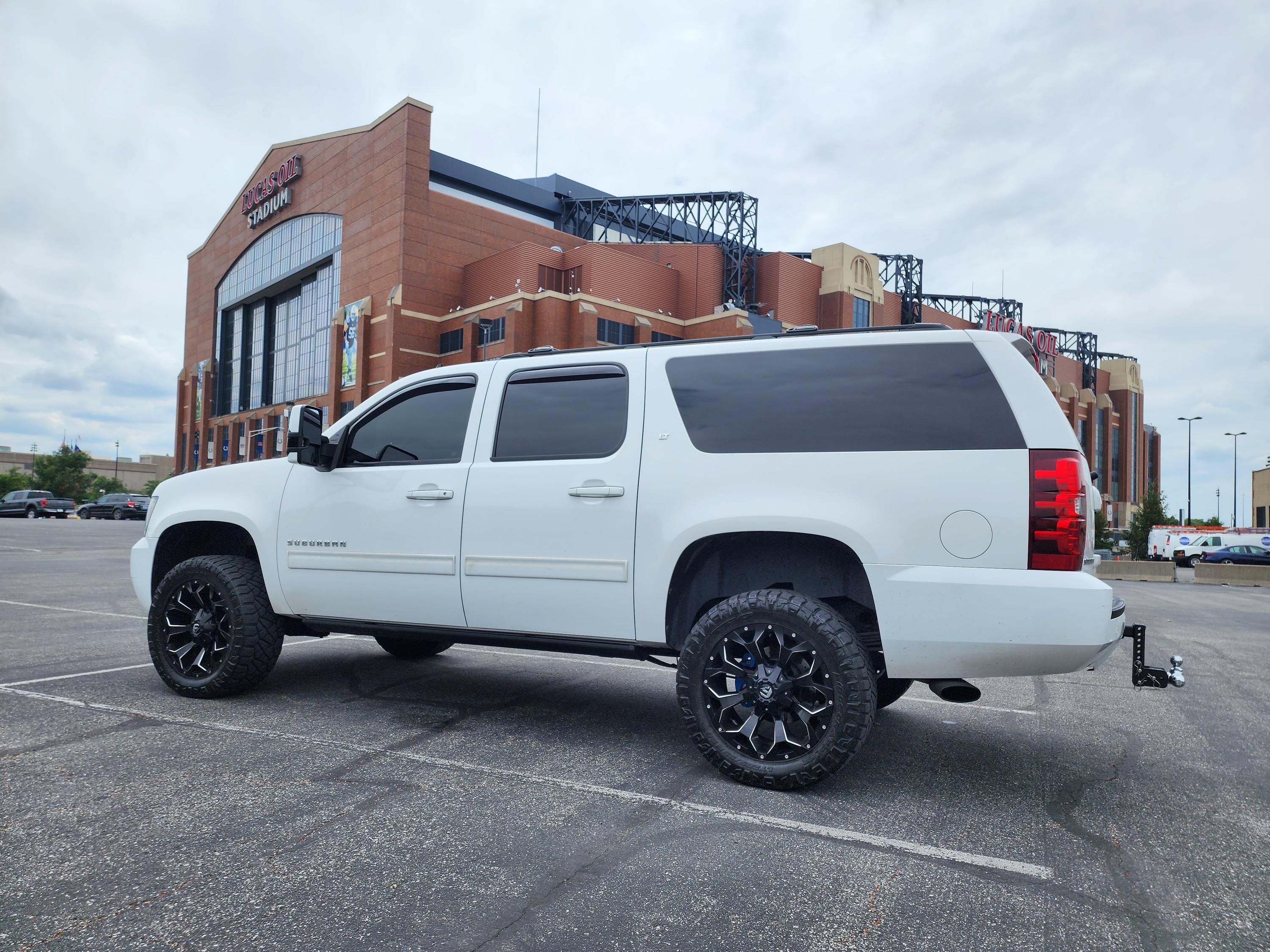
Aftermarket electronics often promise to boost your car’s resale value, but do they really deliver? Many SUV and truck owners in Indianapolis focus on visual upgrades like SUV tint matching to match front window tint Indianapolis with factory privacy glass Indy. Before you add pricey gadgets, it’s worth understanding how these mods affect your vehicle’s market appeal and if they comply with legal window tint Indiana rules. Let’s unpack what truly adds value and what might just be extra cost.
Understanding the Fishbowl Effect and Why It Matters
You know that feeling when you’re driving your SUV or truck and the back looks sleek and private with that nice factory tint, but your front windows are totally clear? Yeah, that’s what we call the “fishbowl look,” and it’s something that bugs a lot of vehicle owners here in Indianapolis.
Most modern SUVs and trucks come from the factory with privacy glass on the rear windows. It looks great, offers some UV protection, and gives your passengers a bit of privacy. But here’s the thing: the front windows are almost always left clear. Why? Well, it’s mostly about keeping things legal across different states, since window tint laws vary quite a bit.
This creates a visual mismatch that can make your ride look a bit off. The good news? You can fix this pretty easily by working with professionals who know how to match front window tint Indianapolis to your existing rear glass.
What Exactly Is Factory Privacy Glass?
Let’s clear up some confusion real quick. Factory privacy glass isn’t the same as aftermarket tint film, even though they look similar. Privacy glass is actually tinted during the manufacturing process. The dark color is baked right into the glass itself.
Most factory privacy glass Indy vehicles come with is around 20% visible light transmission (VLT). That means it blocks about 80% of light from passing through. It’s a nice dark shade that looks professional and keeps the interior cooler.
When you’re looking to match your front windows to this factory look, you’re not trying to replicate the exact manufacturing process. Instead, you’re working with a skilled installer who can apply aftermarket film that matches the darkness and appearance of your rear windows. Done right, most people won’t even be able to tell the difference.
Staying Legal: What You Need to Know About Window Tint Laws in Indiana
Before you rush out to get your windows tinted, let’s talk about legal window tint Indiana requirements. Trust me, you don’t want to get pulled over or fail an inspection because your tint’s too dark.
In Indiana, the rules are pretty straightforward. For SUVs and trucks, you’ve got a bit more flexibility than sedan owners. Here’s what you need to know:
For your front side windows, Indiana law requires at least 30% VLT. That means the tint can block up to 70% of light, but it needs to let at least 30% through. Your windshield can have tint on the top few inches (usually the AS-1 line marked on the glass), but the rest needs to stay clear.
The good news? Your rear side windows and back window can be as dark as you want. Since most factory privacy glass sits around 20%, you’ve got some room to work with when matching your fronts.
Working with a reputable shop that understands these regulations is super important. They’ll help you achieve that matched look while keeping you on the right side of the law.
The Art of SUV Tint Matching
SUV tint matching is both a science and an art. You can’t just slap any old 20% tint on your front windows and call it a day. Different film brands, types, and even installation techniques can affect how the final result looks.
Here’s what goes into creating that perfect match:
Film Selection
Your installer needs to consider the type of film that’ll best match your factory rear glass. Some factory privacy glass has a slight color to it, maybe a bit of charcoal or bronze. A good installer will hold up different film samples next to your rear windows to find the closest match.
There are tons of film options out there. You’ve got dyed films, metalized films, ceramic films, and carbon films. Each has its own look and benefits. Ceramic films, for example, offer excellent heat rejection and won’t interfere with your electronics, but they cost a bit more.
Calculating the Right Darkness
Remember how we said factory privacy glass is usually around 20%? Well, your front windows already have some tint from the factory, even if they look clear. Most automotive glass blocks about 70-75% of light on its own.
So if you want your fronts to match 20% rear glass, you might need 35% or 40% film on the front, depending on your specific vehicle’s glass. A professional installer will use a light meter to measure your rear glass and calculate exactly what you need up front.
This is where experience really counts. An installer who’s done hundreds of SUV tint matching jobs can eyeball it pretty well, but they should always verify with a meter.
Installation Technique
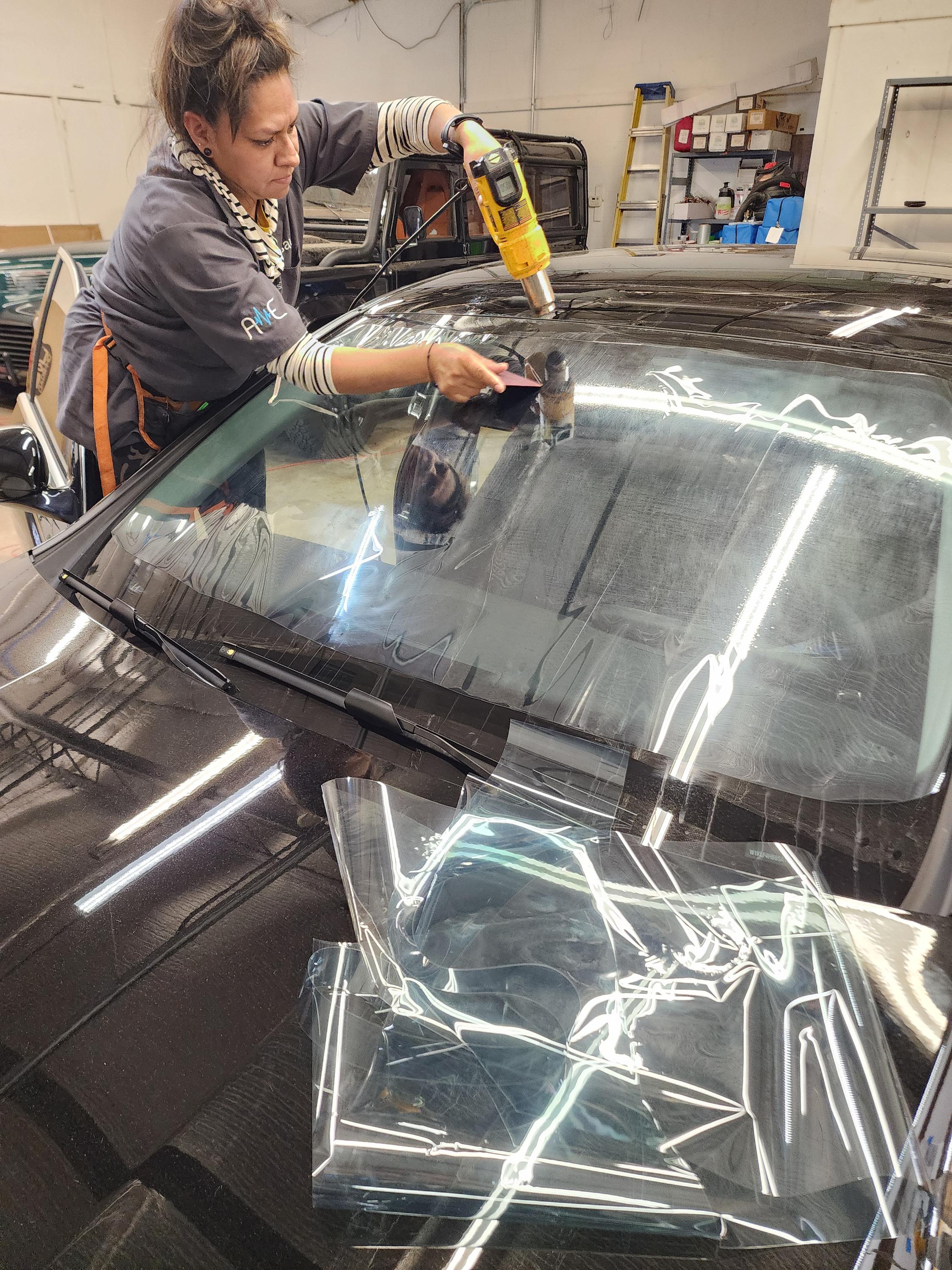
Even with the perfect film, poor installation can ruin the look. Bubbles, creases, gaps at the edges, or dust trapped under the film will stand out like a sore thumb.
Quality installers prep the glass thoroughly, work in a clean environment, and take their time to get it right. They’ll also make sure the tint is cut precisely to fit your windows without leaving gaps or covering up any sensors or antennas.
Beyond Looks: Real Benefits of Matching Your Window Tint
Sure, eliminating that fishbowl look is great, but there are practical reasons to match front window tint Indianapolis to your rear glass too.
UV Protection
Window film blocks up to 99% of harmful UV rays. That’s huge for protecting your skin during those long drives and keeping your interior from fading and cracking. Your rear passengers get this benefit from the factory glass, so why shouldn’t you and your front passenger?
Heat Reduction
Ever notice how much hotter it feels in the front seats compared to the back on a sunny day? Quality window film can reject a significant amount of solar heat. Ceramic films are especially good at this, blocking infrared heat without needing to be super dark.
You’ll run your AC less, which can actually improve your fuel economy a bit. Plus, you’ll just be more comfortable, especially during those hot Indianapolis summers.
Glare Reduction
Glare from the sun or headlights at night can be more than annoying. It can be dangerous. Window tint cuts down on glare, making it easier to see and reducing eye strain on long drives.
Privacy and Security
With matched tint all around, people can’t easily see what’s in your vehicle. That’s great if you need to leave valuables in your car (though we always recommend taking them with you). It also gives you and your passengers more privacy.
If someone does try to break in, quality window film can hold the glass together, making it harder to smash through. It’s not bulletproof, but it’s an extra layer of security.
Interior Protection
UV rays and heat are the enemies of your interior. They fade leather, crack dashboards, and make plastic trim brittle. By protecting your front cabin the same way your rear is protected, you’re helping maintain your vehicle’s interior condition.
How Window Tint Affects Your Vehicle’s Value
Now let’s get back to that original question about resale value. Does matching your window tint actually help when it’s time to sell or trade in?
The honest answer? It depends, but generally, yes, when done right.
The Positive Impact
A vehicle that looks cohesive and well-maintained appeals to buyers. When someone’s shopping for a used SUV or truck, they notice details. A fishbowl look can make your vehicle seem incomplete or cheap, even if it’s a high-end model.
Professional tinting shows you’ve taken care of your vehicle and invested in its appearance and comfort. Buyers appreciate that. They’re also getting the practical benefits we talked about without having to arrange the tinting themselves.
If you’re in a hot climate like we get in Indianapolis summers, tinted windows are almost expected on SUVs and trucks. Not having them can actually hurt your value.
The Potential Downsides
Here’s where you need to be careful. Poor quality tint or illegal tint can actually hurt your resale value. If the film is bubbling, peeling, or turning purple, buyers will see that as something they need to fix. That costs you money in negotiations.
If your tint is too dark and doesn’t meet legal window tint Indiana standards, buyers might worry about getting tickets or having to remove it. Again, that’s a negotiating point against you.
That’s why working with a reputable installer and using quality film is so important. Cheap tint jobs are worse than no tint at all when it comes to resale.
Comparing to Other Aftermarket Mods
Compared to other aftermarket electronics and modifications, window tint holds its value pretty well. Why? Because it’s functional, not just cosmetic. It also appeals to a wide range of buyers.
Contrast this with, say, a custom stereo system. Sure, some buyers will love it, but others might not care for your choice of equipment or worry about the reliability of aftermarket electronics. Tint is pretty universal in its appeal.
Lift kits, custom wheels, or aggressive performance mods can actually turn off buyers or limit your market to specific enthusiasts. Window tint is much more mainstream and acceptable.
Choosing the Right Shop for Your Tint Job
Not all tint shops are created equal, and this is definitely a case where you get what you pay for. Here’s what to look for when choosing where to get your SUV tint matching done.
Experience and Reputation
How long has the shop been in business? What do their reviews look like? Ask around in local car groups or check online reviews. A shop that’s been doing quality work in Indianapolis for years will have a reputation to maintain.
Don’t be shy about asking to see examples of their work, especially SUV tint matching jobs. Can they show you vehicles where they’ve matched factory privacy glass Indy vehicles have?
Film Quality and Options
What brands of film do they carry? Reputable brands like 3M, LLumar, SunTek, and Huper Optik are good signs. These companies stand behind their products with solid warranties.
Speaking of warranties, what does the shop offer? Quality film should come with a lifetime warranty against bubbling, peeling, fading, and delaminating. The shop should also warranty their installation work.
Knowledge of Local Laws
Your installer should know the legal window tint Indiana requirements cold. They should be able to explain what’s legal and what’s not without you having to ask. If they’re willing to do illegal tint without warning you, that’s a red flag.
Facility and Process
Is the shop clean and professional? Do they have a dedicated, enclosed area for tinting? Dust and debris are the enemies of good tint jobs, so a clean workspace matters.
Ask about their process. Do they remove the door panels to tint? This allows for better coverage and a cleaner look at the top edge of the window. It’s more work, but it shows attention to detail.
Pricing
Get quotes from a few shops, but don’t just go with the cheapest. Rock-bottom prices usually mean cheap film, rushed work, or both. You’re better off paying a bit more for quality that’ll last.
That said, the most expensive isn’t always the best either. Look for fair pricing from a reputable shop with good reviews and quality materials.
The Installation Process: What to Expect
So you’ve chosen your shop and scheduled your appointment. What happens next?
Consultation
First, your installer should look at your vehicle and discuss what you want. They’ll examine your factory rear tint, talk about film options, and explain what they recommend to achieve the best match.
This is when they should also discuss legal window tint Indiana requirements and make sure you’re comfortable with the plan. Don’t skip this conversation. Ask questions if anything’s unclear.
Measurement and Film Selection
The installer will use a light meter to measure the VLT of your factory rear glass. This gives them a baseline to match. They’ll then recommend a specific film type and shade for your front windows.
They might hold up samples to show you how different options will look. This is your chance to make sure you’re happy with the choice before they start cutting film.
Preparation
The windows need to be thoroughly cleaned inside and out. Any dirt, debris, or residue will show up under the film, so this step is critical.
If the shop does it right, they’ll remove the door panels to access the full window. This allows them to tint all the way to the top edge without leaving a gap.
Application
The film is carefully cut to size (either using a plotter or by hand, depending on the shop’s method). Then it’s applied to the inside of the glass using a special solution.
The installer uses squeegees to remove air bubbles and excess solution, working carefully to get a smooth, clean application. This takes time and patience. Rush it, and you’ll have problems.
Drying and Curing
Once the film is applied, it needs time to cure. You’ll see some haziness or small water bubbles right after installation. That’s totally normal. As the film dries over the next few days to weeks, these will disappear.
Your installer should give you care instructions. Usually, you’ll need to keep the windows up for a day or two and avoid cleaning them for about a week.
Maintaining Your Tinted Windows
Once you’ve got that perfect match, you’ll want to keep it looking good. Fortunately, modern window film is pretty low maintenance.
Cleaning
Wait at least a week after installation before cleaning your tinted windows. When you do clean them, use a soft cloth or paper towel with a mild, ammonia-free cleaner. Ammonia can damage the film over time.
Avoid abrasive materials or scrubbing too hard. You don’t want to scratch the film.
Regular Inspection
Every now and then, check the edges of your tint for any lifting or peeling. If you catch problems early, they’re often easier to fix under warranty.
Also watch for any bubbling, fading, or discoloration. Quality film shouldn’t do this, so if it does, contact your installer.
Window Operation
Modern tint film is pretty tough, but you can still damage it. Be careful when rolling windows up and down, especially in the first few weeks. Make sure nothing’s caught between the window and the seal that could scratch the film.
Common Mistakes to Avoid
Let’s talk about some pitfalls that can ruin your tint job or get you in trouble.
Going Too Dark
I get it. You want that sleek, dark look. But if you go darker than legal window tint Indiana allows on your front windows, you’re asking for tickets and hassle. Stick to 30% VLT or lighter up front.
Some folks think they won’t get caught, but window tint is one of those things cops notice. It’s not worth the risk.
Choosing Based Only on Price
We talked about this earlier, but it’s worth repeating. Cheap tint jobs are expensive in the long run. When the film starts bubbling or turning purple after a year, you’ll wish you’d spent a bit more upfront.
DIY Tinting
There are DIY tint kits out there, and some people do manage decent results. But matching your front windows to factory privacy glass Indy vehicles have isn’t a beginner project. The color matching, legal calculations, and installation technique require experience.
Unless you’ve done this before and have the right tools, leave it to the pros. A bad DIY job will cost more to fix than professional installation would have cost in the first place.
Ignoring Warranty Registration
Many film manufacturers require you to register your warranty. Don’t skip this step. It’s usually quick and easy, and it protects your investment.
Cleaning Too Soon
We mentioned this, but it’s a common mistake. People get excited about their new tint and want to clean the windows right away. Wait at least a week. Let the film cure properly.
Beyond Tint: Creating a Complete Look
While we’re focused on window tint here, it’s worth mentioning how it fits into your overall vehicle aesthetic.
Coordinating with Other Mods
If you’re into vehicle customization, think about how your window tint works with other modifications. Powder-coated wheels, body-colored trim, or paint protection film all contribute to your vehicle’s overall look.
A cohesive appearance is what really makes a vehicle stand out. Your window tint should complement these other elements, not clash with them.
Lighting Considerations
If you’ve upgraded your interior lighting or added ambient lighting, consider how your window tint will affect visibility from outside. You might want to go a bit lighter on the tint if you want those lights to show.
On the flip side, if you’ve got bright interior lights and want privacy, darker tint (where legal) might be the way to go.
Paint Protection
While you’re thinking about protecting your vehicle, consider paint protection film for high-impact areas like the hood, fenders, and mirrors. Like window tint, it’s a functional upgrade that helps maintain your vehicle’s value.
The Indianapolis Perspective
Living in Indianapolis, we deal with some specific conditions that make window tint particularly valuable.
Summer Heat
Indianapolis summers can get pretty toasty. We’re talking high 80s and 90s with plenty of humidity. That sun beating down through clear front windows makes your AC work overtime and leaves you sweating.
Quality window tint makes a noticeable difference. You’ll feel cooler, and your AC will cool the cabin faster and work less hard to keep it that way.
Winter Sun Glare
Even in winter, the sun can be brutal, especially when it’s low in the sky and reflecting off snow. Window tint helps cut that glare without making it too dark to see on overcast days.
Local Regulations
We’ve talked about legal window tint Indiana requirements, but it’s worth noting that local enforcement can vary. Some areas are stricter than others about checking tint darkness.
Staying legal keeps you out of trouble no matter where you drive in the state. It’s just not worth the hassle of potentially illegal tint.
Making the Investment
Let’s talk numbers for a minute. What does it actually cost to match front window tint Indianapolis to your factory rear glass?
Typical Pricing
For a quality tint job on the front two windows of an SUV or truck, you’re typically looking at somewhere between $150 and $400, depending on the film type and the shop.
Basic dyed film will be on the lower end. Premium ceramic film will be higher. Given that ceramic offers better heat rejection and won’t interfere with electronics, many people find it worth the extra cost.
Return on Investment
Think about it this way: if professional tint adds even $500 to your resale value (and it often adds more), and you paid $300 for the installation, you’re ahead. Plus, you enjoyed all the benefits while you owned the vehicle.
The comfort, UV protection, and interior preservation you get over the years you own the vehicle are hard to put a price on. How much is it worth to not have sun in your eyes or a scorching hot steering wheel?
Financing and Promotions
Many shops offer financing or run seasonal promotions. Spring and fall are often good times to find deals, as shops try to fill their schedules during slower periods.
Ask about package deals too. If you’re getting other work done like remote start installation or audio upgrades, some shops will discount multiple services.
Wrapping Up: Is Matching Your Front Tint Worth It?
So, after all this, what’s the verdict? Should you match front window tint Indianapolis to your factory privacy glass Indy rear windows?
For most SUV and truck owners, the answer is a solid yes. The combination of improved appearance, practical benefits, and maintained (or increased) resale value makes it a smart investment.
You’re eliminating that awkward fishbowl look and creating a cohesive, professional appearance. You’re protecting yourself and your passengers from UV rays. You’re keeping your interior cooler and better preserved. And you’re adding a feature that future buyers will appreciate.
The key is doing it right. Work with a reputable installer who uses quality film. Make sure you stay within legal window tint Indiana limits. Take care of the tint once it’s installed. Do these things, and you’ll enjoy the benefits for years to come.
Think of it this way: you’ve already invested in a nice SUV or truck. It came with factory privacy glass Indy in the rear for a reason, those benefits are real. Why not extend those same benefits to the front of your vehicle?
Whether you’re planning to keep your vehicle for years or thinking about eventual resale, professional window tint is one of those modifications that just makes sense. It’s functional, it’s legal (when done right), it looks great, and it pays for itself in comfort and value.
Ready to ditch that fishbowl look and create a complete, polished appearance for your ride? Find a quality tint shop in Indianapolis, have a conversation about your options, and get ready to enjoy a better driving experience. You’ll wonder why you didn’t do it sooner.
Frequently Asked Questions
Will matching my front window tint to factory rear glass increase my vehicle’s resale value?
Yes, when done professionally with quality film. A cohesive, well-maintained appearance appeals to buyers, and the practical benefits of UV protection and heat reduction add real value. Poor quality or illegal tint can hurt your value, so always use a reputable installer and stay within legal limits.
What darkness level is legal for front windows in Indiana?
Indiana law requires front side windows to have at least 30% visible light transmission (VLT), meaning they can block up to 70% of light but must let at least 30% through. Your rear windows can be as dark as you want, which is why most factory privacy glass sits around 20% VLT.
How much does it cost to match front window tint in Indianapolis?
Professional installation for front windows on an SUV or truck typically ranges from $150 to $400, depending on the type of film you choose. Basic dyed film costs less, while premium ceramic film that offers superior heat rejection and won’t interfere with electronics costs more but provides better long-term value.
How long does window tint last, and does it require maintenance?
Quality window film with proper installation can last the lifetime of your vehicle. Maintenance is minimal: wait a week before cleaning, then use only ammonia-free cleaners with soft cloths. Watch for any edge lifting or bubbling, which quality film shouldn’t develop but should be covered under warranty if it does.
Can I tint my windows myself to save money?
While DIY kits exist, matching front windows to factory privacy glass requires experience in color matching, legal VLT calculations, and proper installation technique. A poor DIY job will cost more to fix than professional installation would have cost initially, and mistakes can leave permanent marks on your glass or defroster lines.