
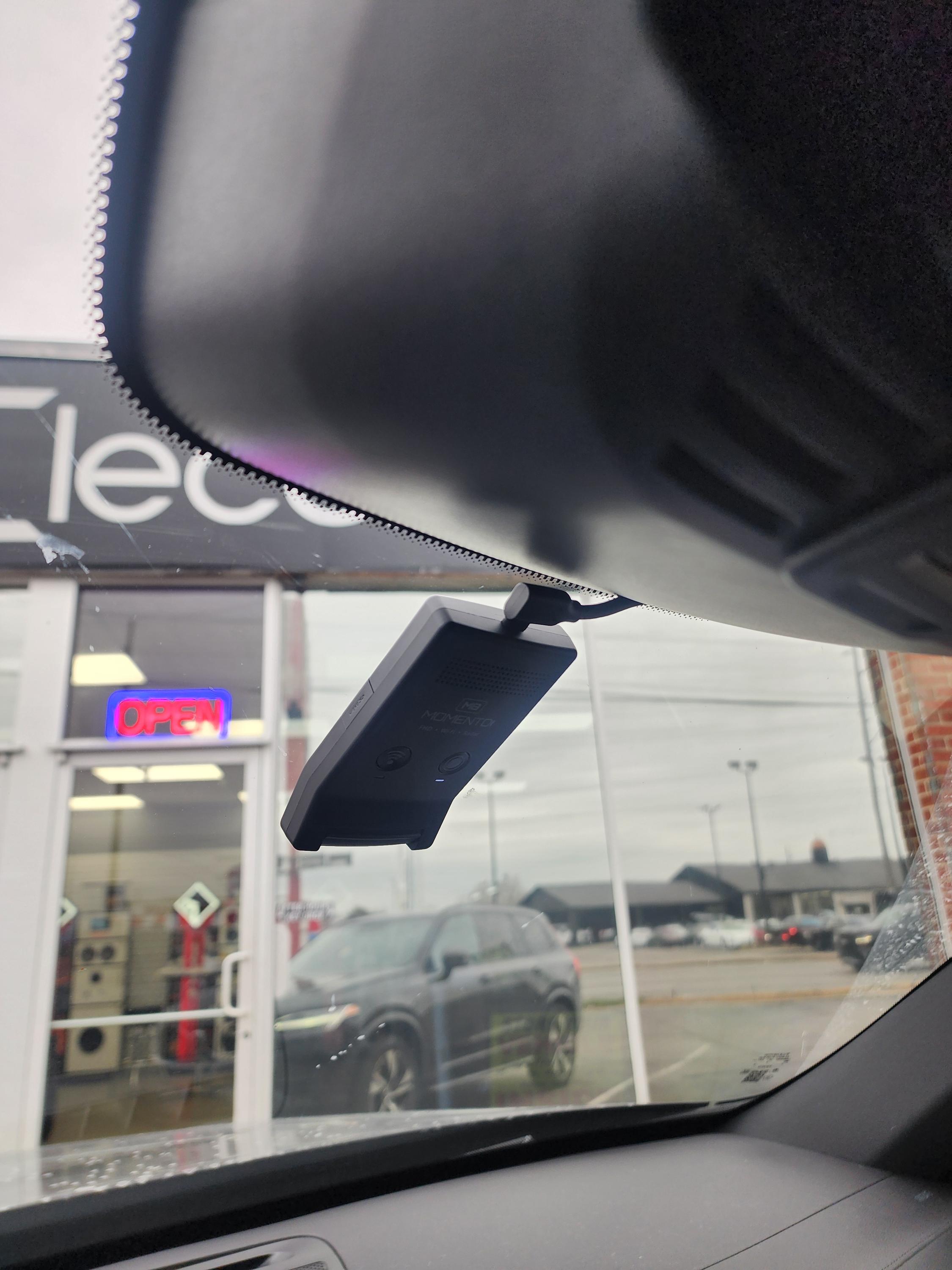
Messy cables dangling from your dashboard don’t just look bad—they can distract you while driving. Using the 12V outlet for your dash cam might seem simple, but it often leads to clutter and unreliable power. If you want clean wiring and true 24/7 parking mode dash cam protection, hardwiring is the way to go. Here’s why professional dash cam installation Indianapolis experts recommend hardwire dash cam Indy setups over the usual plug-in method.
What Does Hardwiring a Dash Cam Actually Mean?
Let’s start with the basics. When you hardwire a dash cam, you’re connecting it directly to your car’s electrical system instead of plugging it into the cigarette lighter socket. Think of it like the difference between using an extension cord for your TV versus having an electrician wire it into the wall. The hardwired option is cleaner, more reliable, and opens up features you can’t get any other way.
A professional dash cam installer Indiana will tap into your vehicle’s fuse box, connecting your camera to circuits that provide constant or switched power. This means your dash cam can stay on even when your car is parked and locked, giving you that 24/7 parking mode dash cam protection you’re looking for.
The Hardware You’ll Need
For a proper hardwire dash cam Indy installation, you’ll need a hardwiring kit specific to your camera model. These kits usually include:
-
A power cable with inline fuses
-
Fuse taps or add-a-circuit connectors
-
Cable management clips
-
Voltage protection circuitry
Some kits are super basic, while others come with low-voltage cutoff features that prevent your car battery from draining completely. That’s pretty important if you’re leaving your camera running 24/7.
Why Your 12V Outlet Just Doesn’t Cut It
You might be thinking, “Why can’t I just keep using my cigarette lighter? It works fine.” Well, let me tell you why that’s not the best approach, especially if you care about how your car looks and performs.
Cables Everywhere
The most obvious problem? Those ugly cables hanging down from your windshield to the center console. They get in the way when you’re reaching for your phone or adjusting the climate controls. If you’ve got a luxury vehicle, those dangling wires completely ruin the premium interior aesthetic you paid good money for.
No Power When Parked
Here’s the big one. Most vehicles cut power to the 12V outlet when you turn off the ignition. That means your dash cam shuts off too. So if someone hits your parked car or tries to break in, you’ve got zero footage. That defeats the whole purpose of having a car security camera installation in the first place.
Takes Up Your Only Power Port
If you’re an Uber or Lyft driver, you know how valuable that 12V outlet is. Your passengers want to charge their phones. You might need to plug in a phone mount or air purifier. When your dash cam is hogging that outlet, you’re stuck.
Unreliable Connection
Ever hit a bump and watched your dash cam screen go black? That’s because the 12V plug can wiggle loose. It’s not a secure connection, and over time, the constant vibration from driving can make it even worse. You think you’re recording, but you’re actually getting nothing.
The Real Benefits of Hardwiring Your Dash Cam
Now let’s talk about what you gain when you go with a proper dash cam installation Indianapolis setup. Trust me, once you see these benefits, you’ll wonder why you didn’t do it sooner.
Clean, Professional Appearance
This is huge for luxury car owners. When your dash cam is hardwired, the cable runs up along the windshield pillar, tucks into the headliner, and disappears behind your dashboard panels. No visible wires. No clutter. Just a sleek camera mounted behind your rearview mirror that looks like it came from the factory.
Your car’s interior stays clean and organized. If you’re driving clients around or just take pride in your vehicle’s appearance, this matters a lot.
True 24/7 Parking Mode Protection
Here’s where hardwiring really shines. A 24/7 parking mode dash cam needs constant power to monitor your vehicle when it’s parked. With a hardwired connection, your camera stays alert even when you’re nowhere near your car.
Let’s say you park at the airport for a week. Someone backs into your car on day three. With a hardwired setup, you’ve got footage of the incident. With a 12V plug? Nothing. The camera died the moment you pulled the keys out.
Parking mode uses motion detection and impact sensors to start recording when something happens. Some cameras even offer time-lapse recording that captures hours of footage without filling up your memory card. But none of this works without a hardwired power supply.
Battery Protection Features
“Wait, won’t leaving my camera on drain my car battery?” Great question. This is exactly why you need a professional dash cam installer Indiana who knows what they’re doing.
Quality hardwiring kits include voltage monitoring. When your car’s battery drops below a certain level (usually around 11.8V or 12.2V), the kit automatically cuts power to the dash cam. This prevents your battery from draining so low that you can’t start your car.
You can usually adjust these settings based on how long you want parking mode to run. Going on a two-week vacation? Set a more conservative cutoff. Parking overnight at home? You can be more aggressive with the settings.
No More Loose Connections
Once a dash cam is hardwired, it stays connected. No more wiggling plugs. No more random shutoffs. You get reliable, consistent power every single time you drive. That means you’re actually protected, not just hoping your camera is working.
What About Installation Difficulty?
I get it. You’re probably thinking this sounds complicated. And honestly? It can be if you’ve never worked with automotive electrical systems before. That’s why most people choose professional car security camera installation instead of going the DIY route.
The DIY Approach
If you’re handy with cars and comfortable working with electrical systems, you could tackle this yourself. You’ll need to:
-
Find the right fuse to tap into (usually something that’s always on, like your interior lights or alarm system)
-
Route the cable through your headliner and A-pillar trim
-
Connect the hardwiring kit to your fuse box
-
Test everything to make sure it works properly
-
Set up the voltage cutoff parameters
Sounds simple enough, right? But here’s what can go wrong. You might tap into the wrong fuse and blow it, leaving you without working headlights or power windows. You could strip a screw while removing trim panels, leaving you with loose interior pieces. Or you might set the voltage cutoff wrong and end up with a dead battery anyway.
The Professional Route
When you hire someone for dash cam installation Indianapolis, you’re paying for expertise and peace of mind. A good installer has done hundreds of these jobs. They know exactly which fuses to use for your specific vehicle. They’ve got the right tools to remove trim panels without breaking clips. And they’ll test everything thoroughly before handing your keys back.
For Uber and Lyft drivers who depend on their vehicles for income, professional installation is a no-brainer. You can’t afford downtime from a botched DIY job. For luxury car owners, you definitely don’t want to risk damaging expensive interior trim or messing up your vehicle’s electrical system.
Most professional installations take about an hour or two, depending on your vehicle. You’ll drive away with a camera that looks factory-installed and works flawlessly.
Choosing the Right Dash Cam for Hardwiring
Not all dash cams are created equal, especially when it comes to parking mode features. If you’re going through the trouble of hardwiring, you want a camera that takes full advantage of that setup.
Features to Look For
Parking mode capability is obviously essential. Look for cameras with motion detection, impact detection, or time-lapse recording modes.
Low power consumption matters when you’re running 24/7. Some cameras draw very little power in parking mode, which means longer protection before the voltage cutoff kicks in.
Dual channel recording gives you front and rear coverage. If someone rear-ends you in a parking lot, you’ll have clear footage of their license plate.
Cloud connectivity is becoming more common. Some cameras can send alerts to your phone when they detect motion or impact while parked. Pretty cool feature for cautious drivers who want instant notifications.
Good low-light performance is critical for parking mode. Incidents often happen at night, so you need a camera with a quality sensor that can capture usable footage in dim conditions.
Popular Models for Hardwiring
I’m not here to push specific brands, but some cameras are particularly well-suited for hardwire dash cam Indy installations. Look for models from manufacturers that offer dedicated hardwiring kits and have good reputations for parking mode reliability.
Mid-range options usually cost between $150 and $300 and offer solid parking mode features. High-end models can run $400 or more but include things like 4K resolution, built-in GPS, and advanced parking mode options.
Special Considerations for Different Drivers
Different types of drivers have different needs when it comes to dash cam installations. Let’s break it down.
For Uber and Lyft Drivers
You’re putting serious miles on your car and dealing with strangers daily. A hardwired dash cam protects you from false passenger claims and provides evidence if you’re in an accident during a ride.
You’ll want dual-channel recording so you can monitor both the road and your interior. Some cameras even offer cabin-facing infrared recording for nighttime rides. And since you’re driving constantly, the reliability of a hardwired setup beats the 12V plug every time.
Plus, with your 12V outlet freed up, passengers can charge their devices. That often leads to better ratings and tips.
For Luxury Car Owners
You didn’t spend $60,000+ on a vehicle just to have it look like a mess inside. A professional car security camera installation keeps your interior pristine while protecting your investment.
Luxury vehicles are also bigger targets for theft and vandalism. That 24/7 parking mode dash cam coverage gives you peace of mind when you’re parked at the mall, airport, or even in your own driveway.
Many luxury car owners also care about resale value. A properly installed hardwired dash cam won’t leave holes or damage. When it’s time to sell, a professional can remove everything and restore your car to stock condition.
For Cautious Drivers
If you’re the type who worries about parking lot dings, hit-and-runs, or false insurance claims, hardwiring is your best friend. You’ll sleep better knowing your car is being monitored around the clock.
Parking mode footage has saved countless drivers from paying for damage they didn’t cause. It’s also great for teaching new drivers in your household, since you can review their driving and help them improve.
Cost Breakdown: What Should You Expect to Pay?
Let’s talk money. What does a quality hardwired dash cam setup actually cost?
Equipment Costs
A decent dash cam with parking mode features runs $150 to $300 for single-channel or $250 to $500 for dual-channel setups. The hardwiring kit itself usually costs $15 to $50, depending on features like voltage cutoff and fuse taps.
You’ll also need a good memory card. Get a high-endurance card designed for dash cams. They cost $20 to $40 and are built to handle constant recording without failing.
Installation Costs
If you’re hiring a professional dash cam installer Indiana, expect to pay $75 to $150 for labor. Complex vehicles with difficult-to-access fuse boxes might cost a bit more. Dual-channel installations with both front and rear cameras take longer and typically cost $150 to $250 for installation.
That might seem like a lot, but consider this: one parking lot incident where you can prove you weren’t at fault could save you hundreds or thousands in insurance deductibles and rate increases. The investment pays for itself the first time you need that footage.
Long-Term Costs
Hardwired setups have basically no ongoing costs. Your memory card might need replacing every few years, but that’s about it. You’re not constantly buying new 12V adapters because the plug wore out. You’re not dealing with failed recordings because the connection was loose.
Common Mistakes to Avoid
I’ve seen plenty of botched installations over the years. Here are the mistakes you want to avoid.
Tapping Into the Wrong Fuse
This is the big one. If you tap into a fuse that controls critical systems, you could cause serious problems. Never tap into fuses for airbags, ABS, or engine management systems. Stick with low-amperage circuits like interior lights or accessories.
Skipping the Voltage Cutoff
Some people think they can save money by skipping the voltage protection. Bad idea. You’ll end up with a dead battery eventually, and jump-starting your car repeatedly is way more expensive than buying a proper hardwiring kit.
Poor Cable Routing
Cables should be completely hidden and secured. If they’re hanging loose behind panels, they can rattle, interfere with other components, or even get pinched when you adjust your seat. Take the time to route everything properly and use cable clips.
Not Testing Parking Mode
After installation, you need to test parking mode thoroughly. Lock your car, wait a few minutes, then walk past it or gently bump it. Check that the camera wakes up and records. Verify that the voltage cutoff works by monitoring your battery over a few days.
Ignoring Your Vehicle’s Warranty
If you’ve got a brand new car under warranty, be careful. Some manufacturers are picky about modifications to electrical systems. A professional installer will know how to do the job without voiding your warranty. DIY attempts might not be as careful.
How to Find a Quality Installer in Indianapolis
Ready to get your dash cam hardwired? Here’s how to find someone who’ll do the job right.
Look for Specialization
You want someone who specializes in dash cam installation Indianapolis or car security camera installation. General mechanics might be great at oil changes but lack experience with dash cams. Look for shops that specifically advertise these services.
Check Reviews and Examples
Good installers will have plenty of reviews and before/after photos. Look for comments about clean wiring, professional appearance, and cameras that work perfectly after installation.
Ask About Experience
Don’t be shy about asking how many dash cams they’ve installed and whether they’ve worked with your vehicle make and model before. Experience matters when you’re dealing with different fuse box layouts and interior trim designs.
Get Details on Warranty
Professional installers should warranty their work. If something goes wrong with the installation (not the camera itself), they should fix it for free. Ask about this upfront.
Discuss Your Specific Needs
A good installer will ask questions about how you use your vehicle, what features you want, and what your concerns are. They should offer recommendations based on your situation, not just try to sell you the most expensive option.
Making the Switch: What to Expect
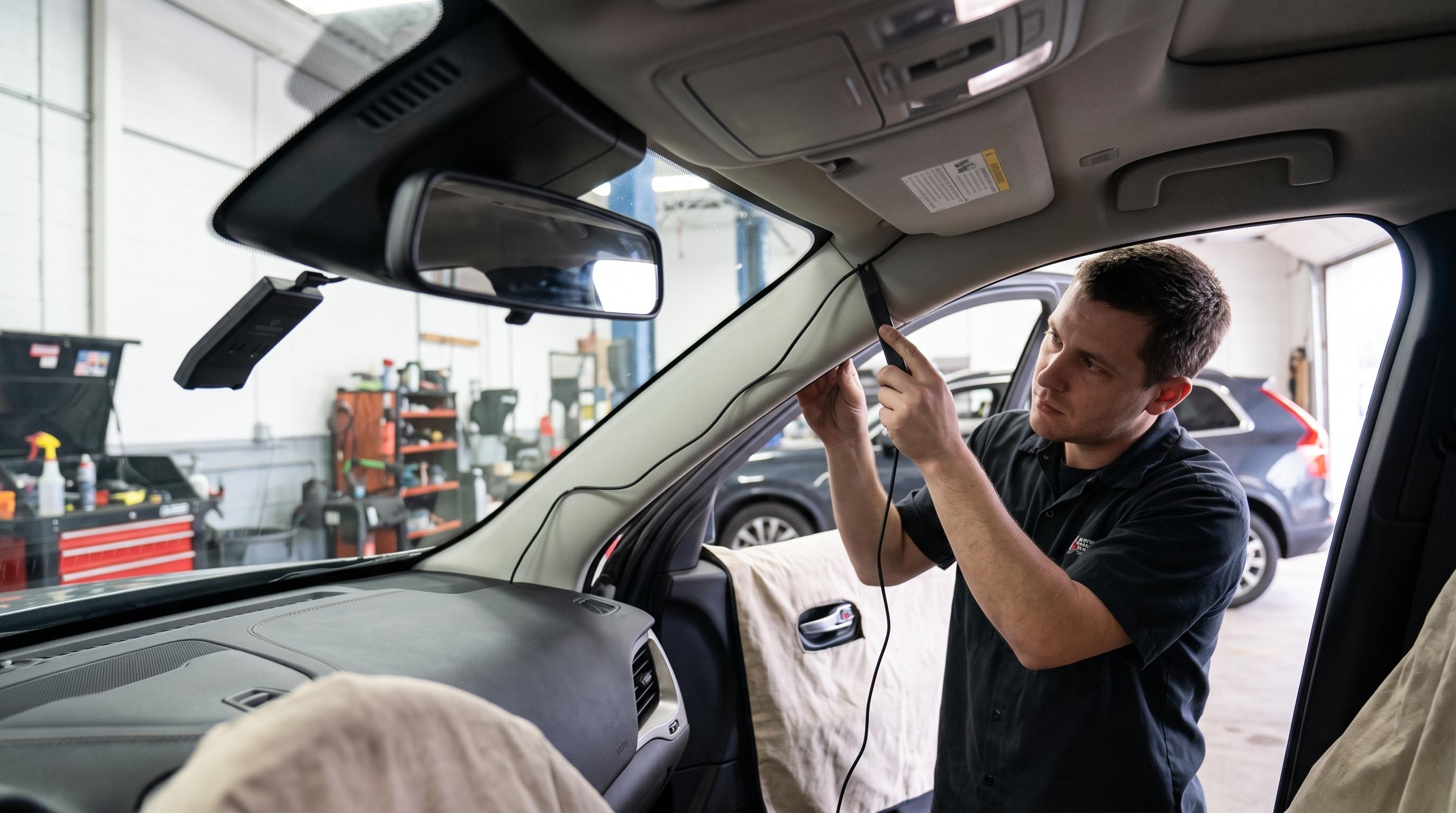
So you’ve decided to go with a hardwire dash cam Indy installation. What happens next?
The Installation Process
You’ll drop off your car or wait while the work is done. The installer will:
-
Mount your camera in the optimal position
-
Route the power cable through your headliner and A-pillar
-
Access your fuse box and identify the right circuits
-
Connect the hardwiring kit with proper fuse taps
-
Configure voltage cutoff settings
-
Test all functions including parking mode
-
Clean up and make sure everything looks factory-fresh
Most installations are done in 1-2 hours. Dual-channel setups with rear cameras take a bit longer since cables need to run the length of your vehicle.
Initial Setup and Testing
After installation, spend some time learning your camera’s settings. Configure parking mode sensitivity, recording quality, and voltage cutoff levels. Take some test drives and review footage to make sure everything is working right.
Test parking mode multiple times in the first week. You want to be confident it’s working before you actually need it.
Ongoing Maintenance
Hardwired dash cams need very little maintenance. Check your memory card every few months and format it to keep performance optimal. Clean your lens occasionally to maintain clear footage. That’s really about it.
If you notice any issues, like the camera not turning on or parking mode failing, take it back to your installer. Don’t try to fix electrical issues yourself if you’re not comfortable with that work.
The Bottom Line: Is Hardwiring Worth It?
After everything we’ve covered, you’re probably wondering if hardwiring is really worth the extra cost and effort compared to just plugging into your 12V outlet.
For cautious drivers who want true protection, the answer is absolutely yes. You’re getting 24/7 coverage that actually works. You’re getting a clean installation that doesn’t detract from your vehicle’s appearance. And you’re getting reliability that plug-in setups simply can’t match.
For Uber and Lyft drivers, it’s a no-brainer. You need your 12V outlet for other things, you’re on the road constantly, and you face unique risks from passengers and other drivers. A hardwired setup protects your livelihood.
For luxury car owners, the clean appearance alone justifies the cost. But when you add in the superior protection for your expensive vehicle, it’s an easy decision.
The only people who might skip hardwiring are those who rarely drive, park in extremely safe locations, and truly don’t care about aesthetics. Even then, you’re missing out on the peace of mind that comes with proper 24/7 parking mode dash cam protection.
Ready to Clean Up Your Dashboard?
Messy cables are more than just an eyesore. They represent a compromise in protection, reliability, and professionalism. When you choose to hardwire your dash cam, you’re choosing the best possible setup for your vehicle and your peace of mind.
Whether you tackle the installation yourself or hire a professional dash cam installer Indiana, you’ll immediately notice the difference. Your dashboard looks cleaner. Your camera works better. And you’ve got true 24/7 protection that doesn’t depend on a loose plug staying connected.
For drivers in the Indianapolis area, finding quality dash cam installation Indianapolis services isn’t hard. There are experienced professionals who can handle everything from basic single-camera setups to complex dual-channel systems with all the bells and whistles.
Stop compromising with that dangling cable and unreliable 12V connection. Make the switch to a hardwired setup and see what real dash cam protection looks like. Your car will look better, you’ll drive with more confidence, and you’ll finally have the coverage you need when something actually happens.
The roads are unpredictable. Your dash cam protection shouldn’t be. Get that camera hardwired and say goodbye to messy cables for good.
Frequently Asked Questions
Will hardwiring my dash cam drain my car battery?
No, not if you use a proper hardwiring kit with voltage cutoff protection. These kits monitor your battery and automatically shut off power to the dash cam when voltage drops to a preset level (usually around 11.8V or 12.2V). This prevents your battery from draining too low to start your car. You can adjust these settings based on how long you want parking mode to run.
How much does professional dash cam installation cost in Indianapolis?
Professional installation typically costs between $75 and $150 for a single-channel dash cam, or $150 to $250 for dual-channel setups with front and rear cameras. This includes labor for mounting, routing cables through your interior panels, connecting to your fuse box, and testing all functions. The total investment including a quality camera and hardwiring kit usually ranges from $250 to $600.
Can I hardwire a dash cam myself, or should I hire a professional?
You can hardwire a dash cam yourself if you’re comfortable working with automotive electrical systems and removing interior trim panels. You’ll need basic tools, a hardwiring kit, and knowledge of which fuses to tap safely. That said, most people choose professional installation to avoid risks like blowing fuses, damaging trim, or setting incorrect voltage parameters. For Uber/Lyft drivers and luxury car owners, professional installation is usually the smarter choice.
What’s the main advantage of parking mode on a hardwired dash cam?
Parking mode lets your dash cam monitor your vehicle 24/7 even when it’s parked and locked. When someone hits your car, tries to break in, or vandalize it, the camera detects motion or impact and starts recording. This gives you clear footage of incidents that happen when you’re not around. Plug-in cameras can’t do this because they lose power when you turn off your ignition.
Will hardwiring void my new car’s warranty?
Hardwiring a dash cam typically won’t void your warranty if it’s done properly by a professional who knows how to work with modern vehicle electrical systems. The key is using add-a-circuit fuse taps that don’t modify original wiring and ensuring no damage to factory components. A qualified installer will know exactly how to complete the job without affecting your warranty coverage.