
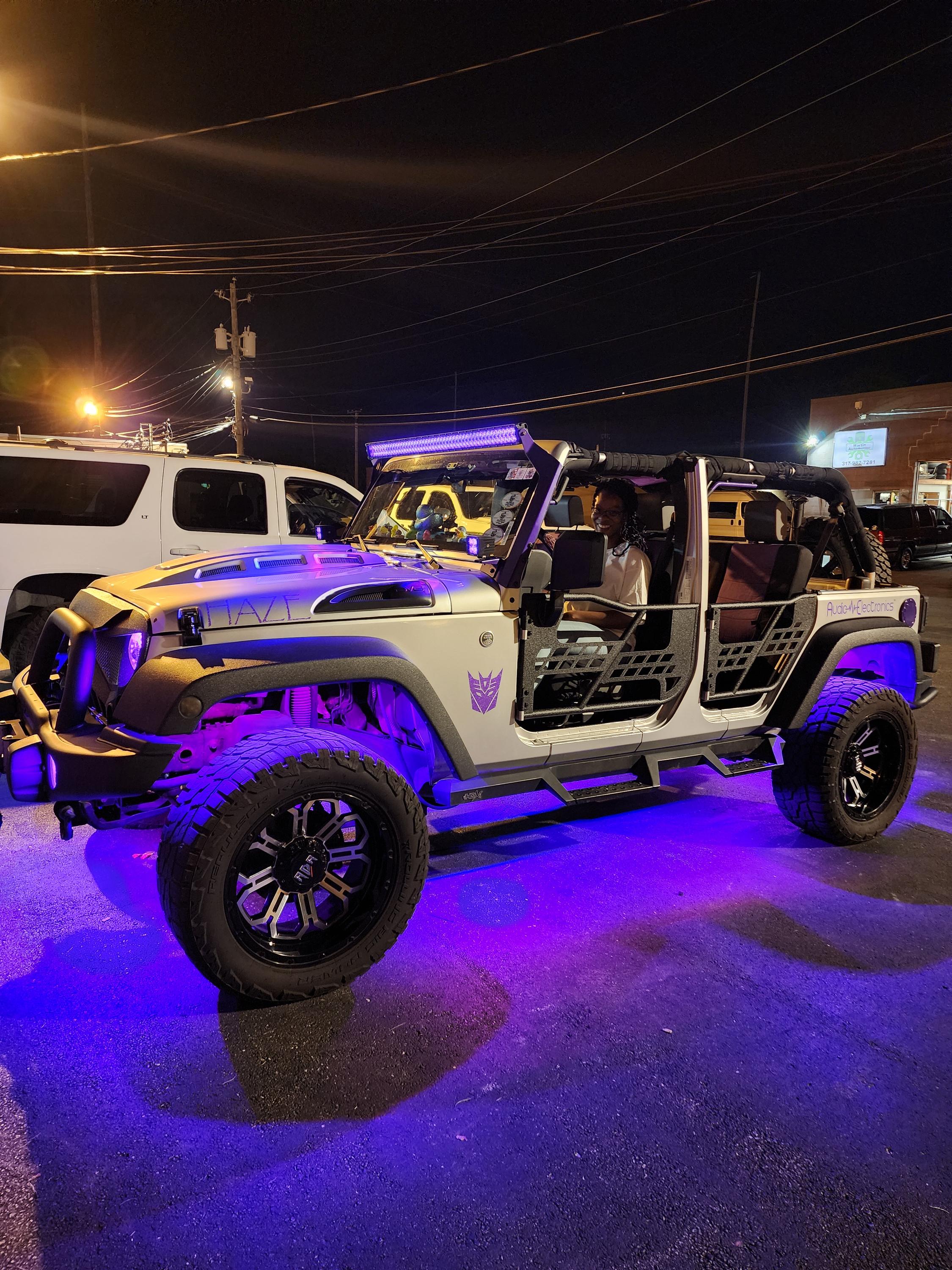
Car show season in Indiana isn’t just about rolling in with a clean ride. Your custom show car builds Indianapolis need to hit every detail, from sound to stance, to turn heads at Suds in Greenwood or World of Wheels. If you’re gearing up for car show prep Indy, this checklist will help you nail your custom trunk audio setup and find the right professional underglow installation near me. Get ready to make your build impossible to ignore.
Understanding the Indianapolis Car Show Scene
So you’re thinking about showing your ride at one of Indy’s premier events? That’s awesome! The Indianapolis car show circuit is packed with opportunities to show off your build, whether you’re hitting up the legendary World of Wheels downtown or cruising into Suds in Greenwood on a Saturday afternoon. These events draw serious enthusiasts who know their stuff, so your car show prep Indy needs to be on point.
What makes the Indy scene special? It’s the mix of old-school muscle, modern imports, lifted trucks, and everything in between. You’ll see classic Camaros parked next to slammed Hondas, all competing for attention. The judges and spectators at these shows aren’t just looking at your paint job anymore. They’re checking out your audio system, your lighting setup, and how well everything comes together as a complete package.
Starting Your Custom Show Car Build: The Foundation
Before we get into the flashy stuff, let’s talk about the basics. Your custom show car builds Indianapolis start with a solid foundation. Is your paint in good condition? Are there any rust spots that need attention? How’s your interior holding up?
Think of it this way: you wouldn’t put a designer outfit over dirty clothes, right? Same principle applies here. Get your bodywork sorted first. That might mean a full respray, or maybe just some touch-up work and a serious detail session. Clean up that engine bay while you’re at it. Trust me, people will pop your hood.
Your stance matters too. Are you running stock suspension? Consider what look you’re going for. Lowered cars have that aggressive, planted appearance that photographs beautifully. If you’re going for a lifted look, make sure everything is level and the fitment is clean. Wheels and tires can make or break your whole aesthetic, so choose wisely.
Planning Your Custom Trunk Audio Setup
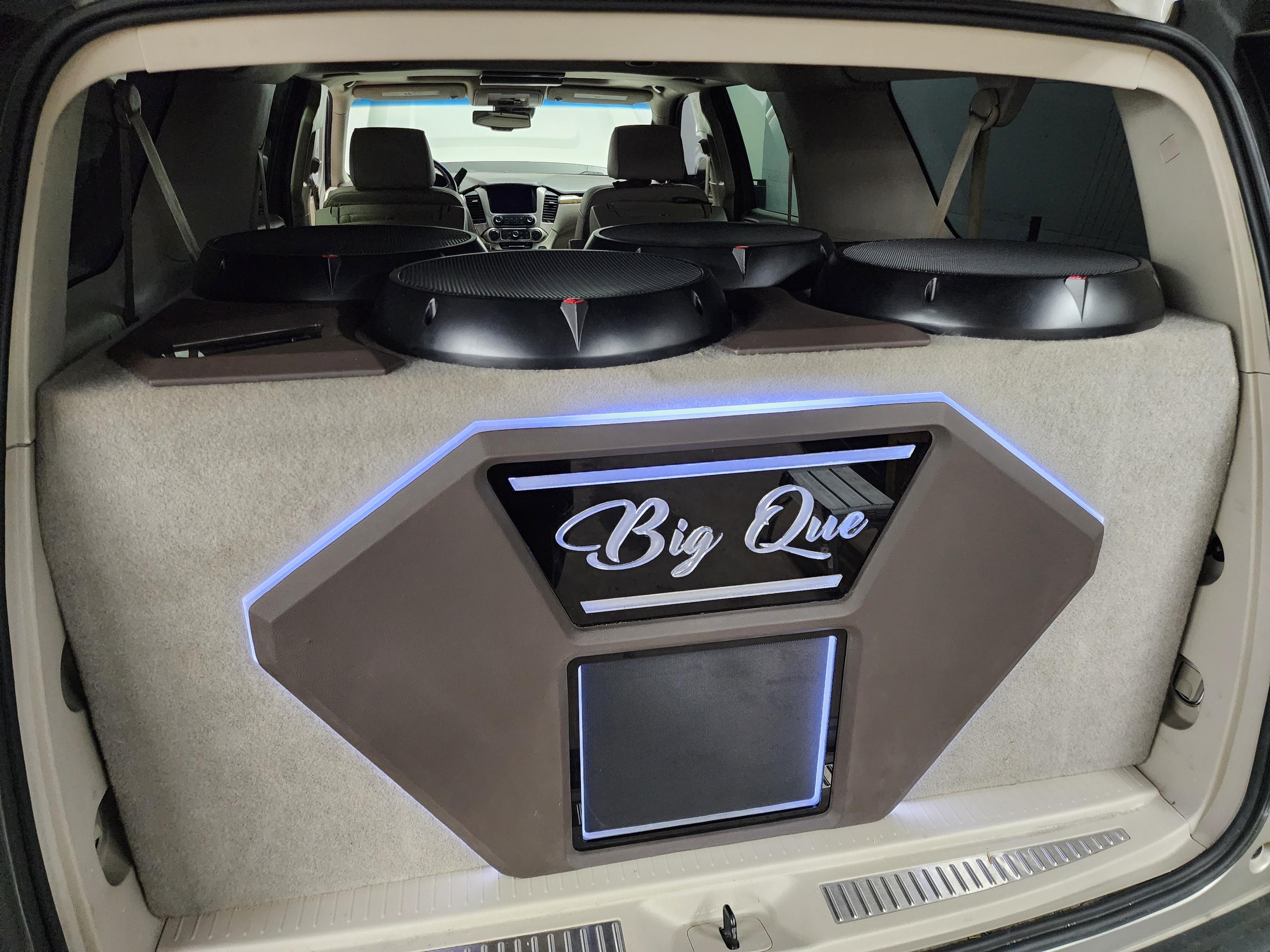
Here’s where things get fun. A custom trunk audio setup isn’t just about making noise (though that’s definitely part of it). It’s about creating a visual and auditory experience that makes people stop and stare. When you pop that trunk at a show, you want jaws to drop.
What goes into a show-stopping trunk setup? Let’s break it down. First, you need to decide on your amp configuration. Are you running multiple amps? Where will they mount? A lot of show cars use custom amp racks that display the equipment like artwork. Some builders incorporate LED lighting, custom acrylic panels, or even video screens into their designs.
Your subwoofer enclosure is the centerpiece. This isn’t the time for a prefab box from the big box store. Show quality means custom fabrication that fits your trunk perfectly and looks incredible. Many builders use fiberglass to create curved, flowing designs. Others go with precision-cut wood that’s wrapped in vinyl, carpet, or even leather to match the interior.
Don’t forget about the wiring. Messy wires kill the whole vibe. Every cable should be routed cleanly, secured properly, and ideally hidden or made to look intentional. Some builders use wire loom in contrasting colors to create visual interest. Others tuck everything away completely for that ultra-clean look.
Want to really stand out? Add some lighting to your custom trunk audio setup. LED strips around the enclosure or behind acrylic panels create an eye-catching glow. Just make sure your lighting complements your overall theme and doesn’t look like an afterthought.
Audio Components That Win Shows
You’ve got the visual side of your trunk setup planned out, but what about the actual audio components? Show judges and fellow enthusiasts will notice if you’re running quality gear or budget equipment.
Start with a head unit that offers the features you need. Touchscreens are popular, and many newer units support Apple CarPlay and Android Auto. Some show cars go with completely custom dashboards that integrate tablets or other unique solutions.
Your amplifiers should match your power needs and your aesthetic. Big, flashy amps with chrome accents and LED displays look great in show environments. Make sure you’re not underpowering your speakers. There’s nothing worse than a beautiful system that sounds weak.
Speaker selection depends on your goals. Are you competing in sound quality competitions or just want to rattle the windows? For sound quality builds, you’ll want component speakers up front with tweeters, mids, and possibly mid-bass drivers. For SPL (sound pressure level) builds, you’re looking at massive subwoofers and serious amplification.
Here’s a pro tip: even if you’re building for looks, make sure it sounds good. A beautiful system that sounds terrible won’t impress anyone. Spend time tuning your system with a digital signal processor (DSP) or at minimum, properly set your gains and crossovers.
Professional Underglow Installation: Lighting Up the Competition
Let’s talk about lighting the outside of your car. When you search for “professional underglow installation near me,” you’re looking for shops that understand both the technical and legal aspects of automotive lighting. Done right, underglow can make your car look like it’s floating. Done wrong, it looks cheap and might even be illegal.
What makes a professional underglow installation near me worth the investment? First, proper shops use quality components that will last. Cheap LED strips from online marketplaces fade, fail, and look terrible after a few months. Professional-grade lighting is brighter, more color-accurate, and built to handle the harsh environment under your car.
Installation technique matters too. The strips need to be mounted securely so they don’t hang down or get ripped off by road debris. They should be positioned to create even lighting without obvious hot spots or dark areas. Wiring needs to be protected from heat, moisture, and abrasion.
Most importantly, a good shop knows the laws. In Indiana, like most states, there are restrictions on underglow colors and usage. Red and blue are typically off-limits because they’re reserved for emergency vehicles. Your underglow generally can’t be visible from the front of the vehicle in certain colors. A professional installer will keep you legal while still making your car look amazing.
Choosing the Right Underglow System
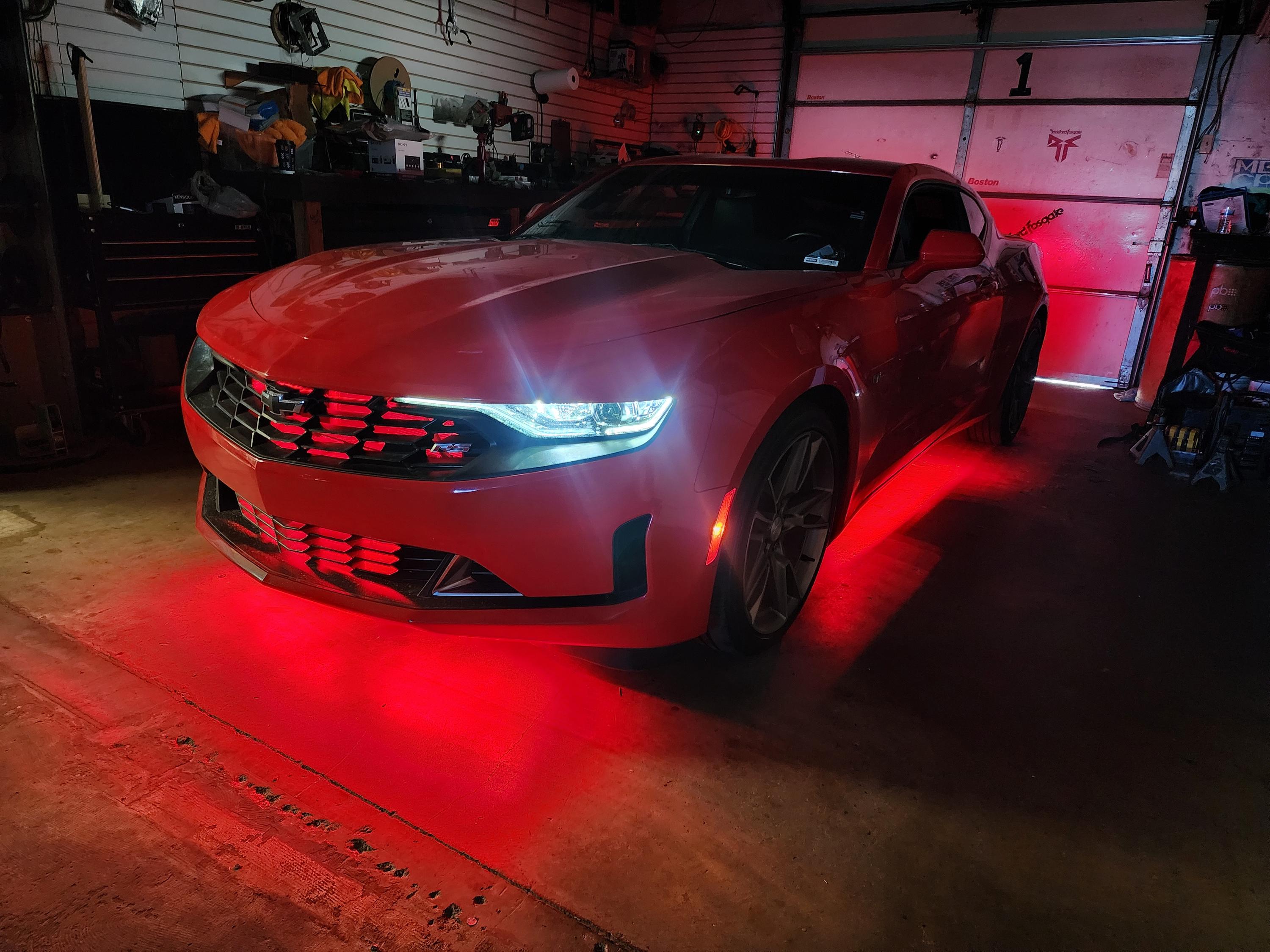
Not all underglow kits are created equal. You’ve got a few options when it comes to technology and features. Basic single-color kits are the most affordable and can look great if that’s the aesthetic you’re after. RGB (red, green, blue) kits let you change colors and create custom combinations.
The newest and most popular option for show cars is addressable RGB strips. These let you create patterns, animations, and effects that sync with your music or respond to your driving. Imagine your underglow pulsing to the beat of your sound system or creating a “knight rider” style scanning effect. That’s the kind of thing that gets attention at shows.
Control methods vary too. Some kits use a simple remote control. Others connect via Bluetooth to a smartphone app. The app-controlled systems usually offer more customization and the ability to save multiple presets. You can have a subtle white glow for cruising and switch to a wild multicolor show mode when you’re parked at an event.
When you’re looking for professional underglow installation near me, ask to see examples of their previous work. A good shop will have photos or even better, cars on-site that demonstrate their capabilities. They should be willing to discuss different product options and help you choose what fits your build and budget.
Interior Lighting: Don’t Forget the Inside
While we’re talking about lighting, don’t neglect your interior. When your doors are open at a show, people will look inside. Interior LED lighting can highlight your audio equipment, custom upholstery, or unique interior mods.
Popular interior lighting spots include footwells, under the dash, in door panels, and under seats. Some builders go all out with lighting in the headliner, creating a starlight effect. Others add LED strips to custom door panels or center consoles.
The key is subtlety and purpose. You want lighting that enhances your interior, not just random strips stuck everywhere. Think about what you want to highlight and use lighting to draw the eye there. Color choice matters too. Many builders stick with white or colors that match their exterior lighting scheme for a cohesive look.
Stance and Suspension: Getting Your Ride Height Right
Your car’s stance is one of the first things people notice. Too high and it looks like a 4×4. Too low and you can’t drive it anywhere. Finding that sweet spot is part of what makes custom show car builds Indianapolis stand out from daily drivers.
If you’re going low, you’ve got several options. Coilovers give you adjustability and performance. Air suspension lets you raise and lower at the touch of a button, which is perfect for shows. You can air out for that slammed look when parked and raise up to drive home.
Wheel fitment is critical to getting your stance right. Are you going for flush, where the wheel sits perfectly even with the fender? Or maybe a little poke, where it sticks out slightly? Stretched tires, meaty sidewalls, or somewhere in between? These choices define your whole look.
Camber and wheel offset play into this too. A bit of negative camber can look aggressive and help with tire clearance on lowered cars. Just don’t go so extreme that you’re destroying tires and can barely drive straight. Remember, your car still needs to make it to the show.
Detailing: The Make or Break Factor
You can have the sickest audio setup and the most impressive lighting, but if your car is dirty, you’re not winning anything. Car show prep Indy means spending serious time on detailing. We’re talking about way more than a quick wash and wax.
Start with a thorough wash using the two-bucket method to avoid scratching your paint. Clay bar the entire car to remove embedded contaminants. Polish to remove swirl marks and bring out the shine. Then apply a quality wax or ceramic coating for protection and that deep, wet look.
Don’t stop at the paint. Clean your wheels and tires until they’re spotless. Dress your tires with a quality product that doesn’t sling. Clean your wheel wells. Detail your engine bay. Vacuum and shampoo your interior. Clean your windows inside and out until they’re crystal clear.
Here’s something many people miss: clean all your lighting. Your headlights, taillights, underglow strips, and any other lights need to be spotless. Dusty or dirty lights look terrible and reduce the impact of your whole lighting setup.
Documentation and Presentation
When you roll into a show, you’re not just displaying a car. You’re telling a story. Having documentation of your build process can really set you apart. A lot of builders create photo albums or even video presentations showing their custom show car builds Indianapolis from start to finish.
Consider making a display board with specs, photos, and information about your build. What parts did you use? Who did the work? How long did it take? What inspired your design choices? Judges and spectators love this stuff. It shows you’re serious and gives them something to talk to you about.
Your presentation at the show matters too. Bring cleaning supplies for touch-ups. Pack a folding chair and maybe a canopy if it’s an outdoor event. Have business cards or social media info available if people want to follow your build. Be friendly and approachable. The car show community is all about connections and shared passion.
Pre-Show Testing and Troubleshooting
Nothing’s worse than getting to a show and having something not work. Your audio cuts out. Your underglow has a dead section. Your air suspension won’t lift. Avoid these nightmares with proper testing before the event.
Test your custom trunk audio setup thoroughly. Play music at various volumes. Make sure nothing rattles or buzzes. Check that all your amps are staying cool and not going into protect mode. Verify that your battery and electrical system can handle the load.
Test all your lighting. Run through every color and pattern on your underglow. Check your interior lights. Make sure your control apps or remotes are working properly and have fresh batteries. Look for any flickering or dead spots.
If you’re on air suspension, cycle it up and down several times. Make sure it holds air overnight. Check for leaks. Verify that your compressor is working properly and filling your tank quickly enough.
Do a test drive that mimics your trip to the show. Does everything work properly? Any weird noises? Does your car handle well at your show height? Better to find problems in your driveway than in the show parking lot.
Working with Professional Installers
Let’s be real: not everyone has the skills, tools, or time to do everything themselves. There’s no shame in hiring professionals for parts of your build. In fact, some aspects like complex audio installations or professional underglow installation near me are often better left to experts.
How do you find good installers in the Indianapolis area? Start by asking around at local car meets and shows. See whose work looks good and ask who did it. Check online reviews, but take them with a grain of salt. Visit shops in person and look at their work.
When you talk to an installer, pay attention to how they communicate. Do they listen to your ideas? Do they offer suggestions based on experience? Are they upfront about costs and timelines? A good installer is a partner in your build, not just someone doing a job.
Get quotes from multiple shops for major work. Compare not just price but also what’s included, what products they use, and their warranty policies. The cheapest option isn’t always the best. You’re building a show car, so quality matters more than saving a few bucks.
Budget Planning for Your Show Build
Speaking of money, let’s talk budget. Custom show car builds Indianapolis can range from a few thousand dollars to well into five figures depending on how far you go. It’s easy to get carried away, so having a plan helps.
Start by prioritizing. What aspects of your build matter most to you? Maybe you’re an audio guy and that’s where most of your budget should go. Or perhaps you’re all about the visual impact of lighting and stance. Focus your spending on what matters most to your vision.
Don’t forget about the little things that add up. Wiring, connectors, mounting hardware, sound deadening, and all those miscellaneous parts can easily run into hundreds of dollars. Budget for them from the start.
Consider doing your build in phases if money is tight. Maybe you start with suspension and wheels this year, add audio next year, and finish with lighting the year after. There’s nothing wrong with a multi-year build. Just make sure each phase is complete and looks good on its own.
Final Prep: The Week Before the Show
You’re getting close! The week before your show, it’s time for final preparations. This is when you handle all those last-minute details that separate good builds from great ones.
Do a complete inspection of your car. Look for anything that needs attention. Touch up any paint chips. Tighten any loose trim pieces. Replace any burned-out bulbs. Fix that rattle that’s been annoying you.
Finalize your audio setup. Make sure your music playlist is ready. If you’re planning to demo your system, have tracks that show off what it can do. Clean bass notes, clear vocals, and good dynamic range all matter.
Test your lighting one more time. Make sure you know how to operate all your controls. If you’re using app-based systems, make sure the apps are updated and working on your phone. Have backup batteries for any remotes.
Plan your logistics. Know where the show is, when gates open, and where you need to register. Check if there’s an entry fee. Find out about parking and unloading procedures. Some shows have specific times when you can arrive, so don’t be late.
Show Day Success
The big day is here! Arrive early if possible. This gives you time to set up, handle any last-minute issues, and get a good parking spot. Many shows assign spots, but arriving early means you’re not rushed.
Bring a show day kit with cleaning supplies, touch-up paint, tools for minor adjustments, and anything else you might need. Microfiber towels are essential for wiping down your car throughout the day. Bring water and snacks too. Show days can be long.
When you set up, think about presentation. If you’re popping your trunk to show off your custom trunk audio setup, position your car so people can easily see inside. If your underglow is a highlight, try to park where it’ll be visible as the sun goes down.
Be ready to talk about your build. People will have questions. What kind of subs are those? Who did your lighting? How low does it go? Enjoy these conversations. This is what the show scene is all about.
After the Show: Maintaining Your Build
The show’s over, but your work isn’t done. Maintaining a show car takes ongoing effort. Your car show prep Indy needs to become car show maintenance if you want to keep competing.
Keep up with regular detailing. A show car should always be clean, not just on event days. This also lets you spot any issues early before they become bigger problems.
Check your audio system periodically. Make sure connections are tight and components are working properly. Audio equipment can fail over time, especially if you’re pushing it hard.
Inspect your lighting regularly. LED strips can fail, and connections can corrode. Catching problems early means easier fixes.
Stay connected with the community. Join local car clubs. Follow other builders on social media. Attend meets and events even when you’re not showing. The Indianapolis car scene is full of great people who share your passion.
Looking Ahead: Next Level Builds
Once you’ve done a few shows, you might start thinking about taking your build to the next level. Maybe you want to compete in audio competitions. Perhaps you’re thinking about a full custom interior. Or maybe it’s time for that engine swap you’ve been dreaming about.
The great thing about the show car scene is there’s always room to grow. You can keep refining your current build or start planning your next project. Many enthusiasts have multiple cars at different stages of completion.
Stay inspired by checking out other builds online and at shows. See what trends are emerging. But don’t just copy what everyone else is doing. The best custom show car builds Indianapolis have personality and reflect their owner’s unique vision.
Keep learning too. Technology changes fast in the audio and lighting world. New products come out all the time. Suspension options improve. Staying current helps you make better decisions for your build.
Your custom show car builds Indianapolis journey is just beginning. With proper car show prep Indy, a killer custom trunk audio setup, and professional underglow installation near me to make your ride shine, you’re ready to compete with the best. Get out there and show what you’ve built!
Frequently Asked Questions
How much does it typically cost to prepare a car for show season in Indianapolis?
Costs vary widely based on what you’re starting with and where you want to end up. A basic show prep with detailing, minor audio upgrades, and simple lighting might run $2,000-$5,000. Mid-level builds with custom audio installations, quality underglow, and suspension work often fall in the $5,000-$15,000 range. High-end show cars with full custom fabrication, top-tier audio systems, and extensive modifications can easily exceed $20,000-$30,000 or more.
What’s the difference between DIY and professional installation for show car audio?
DIY installation can save money if you have the skills, tools, and time, but professional installers bring experience that prevents costly mistakes. Complex custom trunk audio setups often require fabrication skills, specialized tools, and electrical knowledge that most DIYers don’t have. Professional installation typically costs $100-$500 for basic systems, with custom show-quality work running higher depending on complexity. For show cars where appearance matters as much as sound, professional work usually delivers better results.
Are underglow lights legal in Indiana, and what should I know before installing them?
Indiana law restricts certain underglow colors and applications. Red and blue lights are generally prohibited because they’re reserved for emergency vehicles. Underglow typically cannot be visible from the front in certain colors, and lights shouldn’t flash or rotate in ways that could distract other drivers. Professional installers familiar with local regulations can help keep you legal. Always check current state and local laws before installation, as regulations can change and vary by municipality.
How long before a show should I start my prep work?
For your first show, start at least 2-3 months in advance. This gives you time to plan modifications, order parts, complete installations, and handle any unexpected issues. Major work like custom audio builds or suspension changes can take weeks, especially if you’re working with professional installers who have scheduling to consider. The final week before the show should be reserved for detailing, testing, and minor adjustments, not major installations.
What are the most common mistakes first-time show car builders make?
The biggest mistake is trying to do too much at once and running out of time or money before completion. Start with a clear plan and realistic budget. Other common errors include neglecting basic maintenance and cleanliness while focusing only on flashy modifications, choosing cheap parts that fail or look bad quickly, ignoring legal requirements for lighting and modifications, and not testing everything thoroughly before show day. Take your time, do quality work, and remember that a well-executed simple build beats an incomplete complex one every time.