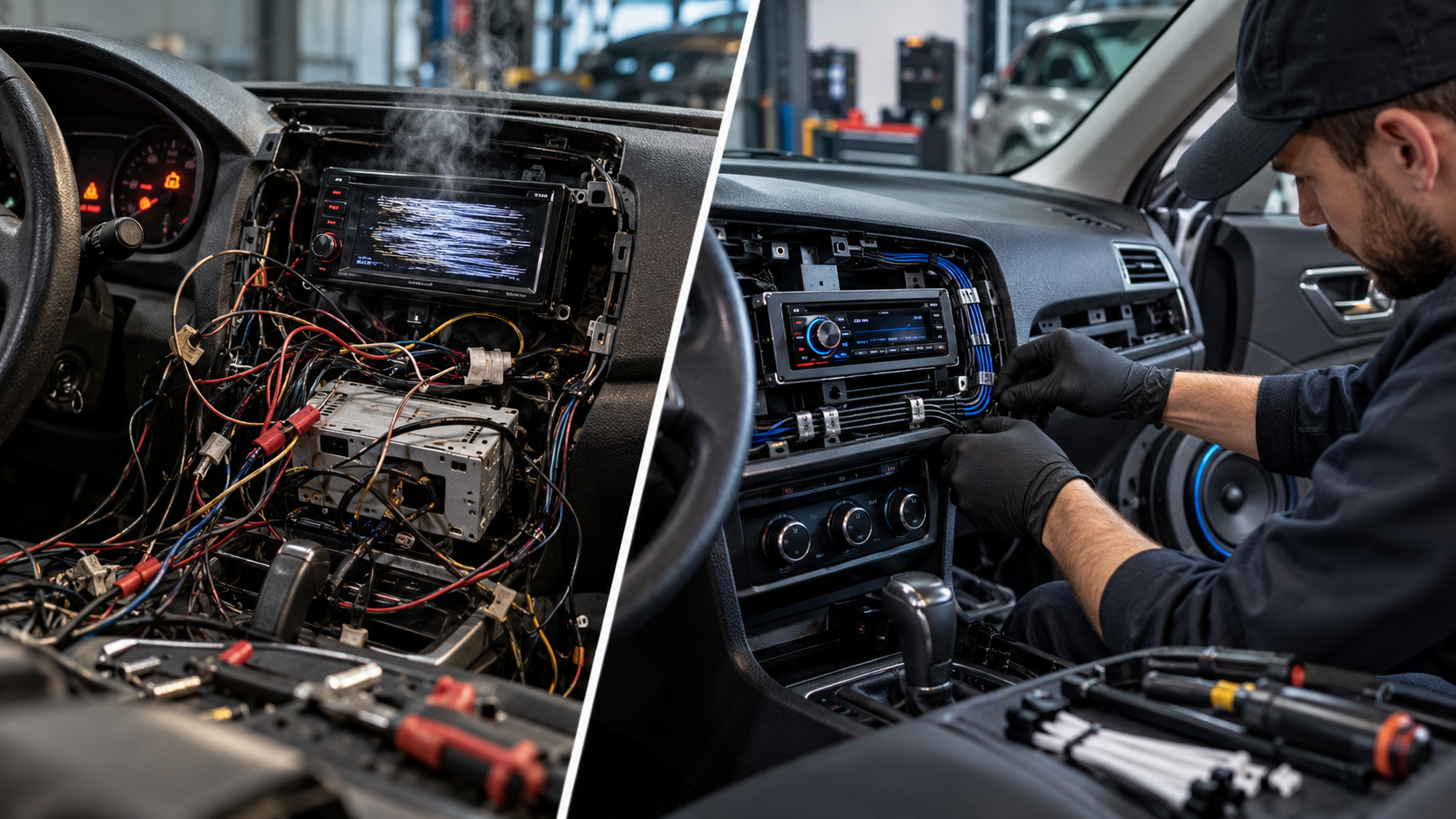
Why Your Modern Car is a Computer (And Why DIY Installs Are Too Risky)
Your modern car is more than just a machine—it’s a complex computer on wheels. Trying a DIY install or trusting a random shop can lead to costly mistakes that are hard to fix. If you want safe car audio upgrades without risking your vehicle’s wiring, you need a professional car electronics installer Indianapolis drivers trust. Let’s explore why modern vehicle wiring experts matter when things go wrong and how to avoid a fix botched car audio install nightmare.
Understanding Your Vehicle’s Complex Electronic System
It’s Not Your Dad’s Car Anymore
Remember when installing a car stereo meant just matching a few colored wires? Those days are long gone. Today’s vehicles are rolling computers with dozens of interconnected modules that talk to each other constantly. Your 2018 Honda Civic has more computing power than the Apollo 11 spacecraft that landed on the moon. Pretty crazy, right?
When you’re dealing with modern cars, you’re not just working with basic power and speaker wires anymore. You’re tapping into a sophisticated network where everything from your airbags to your fuel economy monitoring system communicates through something called the CAN bus system. One wrong move, and you could trigger warning lights, disable safety features, or even brick expensive control modules.
What Makes Modern Vehicle Wiring So Different?
Your car’s wiring system today includes multiple computers called ECUs (Electronic Control Units) that manage everything. These modules control your engine, transmission, brakes, climate control, infotainment system, and more. They’re all connected through a digital network that sends thousands of messages per second.
Think of it like this: your old car’s wiring was like a simple telephone line. Today’s car wiring is like a massive internet network where everything is connected and talking at once. Cut the wrong wire or send the wrong signal, and you could crash the whole system.
The Real Costs of DIY Car Audio Installs
When YouTube Tutorials Go Wrong
We’ve all been there. You watch a 10-minute YouTube video, and it looks super easy. The guy in the video makes it seem like anyone can do it. But here’s what those videos don’t show you: the hours of troubleshooting when things go wrong, the expensive parts they damaged along the way, or the fact that their car model might be completely different from yours.
A customer came to us last month after attempting a DIY subwoofer install in his 2020 Ford F-150. He followed a YouTube tutorial step by step. Everything seemed fine until he started the truck. The dashboard lit up like a Christmas tree with warning lights. His backup camera stopped working. His parking sensors went dead. The repair bill? Over $1,800 to replace a damaged module and reprogram the vehicle’s systems.
The Hidden Expenses of Amateur Installations
When you try to save money with a DIY install or choose the cheapest shop in town, you’re playing Russian roulette with your vehicle’s electronics. Here’s what can go wrong:
Damaged Control Modules: These can cost anywhere from $500 to $2,000 each to replace. And some vehicles have 50 or more modules throughout the car.
Voided Warranties: Many new car warranties specifically exclude coverage for damage caused by aftermarket installations. If your DIY stereo install fries your infotainment system, you’re paying out of pocket even if your car is brand new.
Decreased Resale Value: Sloppy wiring jobs, cut factory harnesses, and drilled holes in the wrong places can significantly reduce what your car is worth when you go to sell it.
Safety System Failures: Modern cars integrate audio systems with safety features. Mess up the wiring, and you could disable airbags, collision warning systems, or other critical safety equipment.
Why You Need Modern Vehicle Wiring Experts
The Specialized Knowledge Required
Professional car electronics installer Indianapolis shops invest heavily in training and equipment. They understand the specific requirements for each vehicle make and model. They know which wires can be tapped, which ones must never be cut, and how to properly interface with factory systems.
For example, installing an amplifier in a 2019 Toyota Camry requires completely different techniques than installing one in a 2019 Chevy Silverado. The wiring colors are different. The signal types are different. The integration methods are different. A professional knows these differences and has the right tools and adapters for each situation.
Proper CAN Bus Audio Integration Indy Specialists Provide
The CAN bus system is the digital nervous system of your car. It’s how all the computers talk to each other. When you want to add aftermarket audio equipment, you need to interface with this system properly. This is where CAN bus audio integration Indy professionals become essential.
A qualified installer uses special interface modules that translate signals between your new equipment and your car’s factory systems. These modules cost more than basic wiring harnesses, but they protect your vehicle’s electronics and ensure everything works correctly.
Want to keep your steering wheel controls? Need your new radio to dim with your dashboard lights? Want your music to automatically mute when you shift into reverse? All of this requires proper CAN bus integration that amateur installers often skip or do incorrectly.
Common Mistakes That Lead to Needing to Fix Botched Car Audio Install Jobs
Cutting Factory Wiring Harnesses
This is the number one mistake we see. Someone cuts the factory wiring harness instead of using a proper adapter. Why is this so bad? Factory harnesses are designed with specific wire gauges, insulation types, and connection methods. When you cut them and twist wires together or use cheap crimp connectors, you create resistance, voltage drops, and potential failure points.
We recently had to fix botched car audio install work on a 2021 Mazda CX-5 where the previous installer had cut the factory harness. Water had gotten into the poorly insulated connections, causing corrosion. The result? Intermittent speaker failures, random static, and eventually a complete audio system shutdown. The fix required replacing the entire factory harness at a cost of $900 in parts alone.
Improper Power and Ground Connections
Your audio system needs clean, stable power and a solid ground connection. Amateurs often tap into the wrong power sources or use inadequate wire gauges. They might ground to a painted surface or a plastic mounting point. These shortcuts cause all sorts of problems:
Alternator whine in your speakers. Blown fuses. Overheated wiring. Drained batteries. Damaged amplifiers. In extreme cases, electrical fires.
A professional installer knows exactly where to source power, what size wires to use, and how to create a proper ground connection that will last for years without problems.
Ignoring Factory Amplifier Systems
Many modern cars come with factory amplified audio systems. These systems use different signal levels and wiring configurations than basic factory radios. If you don’t account for this, your new equipment won’t work correctly or might not work at all.
Trying to install an aftermarket radio in a car with a factory amp without the proper integration adapters is like trying to plug a 220-volt appliance into a 110-volt outlet. Something’s going to break.
Poor Wire Routing and Protection
Where your wires run matters just as much as how they’re connected. Wires need to be routed away from heat sources, moving parts, and sharp edges. They need to be properly secured so they don’t rattle or chafe. They need grommets when passing through metal panels.
Amateur installers often run wires along the easiest path without considering what could damage them over time. We’ve seen wires melted by exhaust components, cut by seat tracks, and chewed through by rodents because they weren’t properly protected and routed.
The Value of Safe Car Audio Upgrades Done Right
Long-Term Reliability and Peace of Mind
When you invest in professional installation, you’re buying more than just labor. You’re buying expertise, proper materials, and long-term reliability. A quality shop stands behind their work with warranties that cover both parts and labor.
You won’t have to worry about warning lights popping up. You won’t lose sleep wondering if that weird noise is going to turn into an expensive repair. You can enjoy your upgraded audio system knowing it was installed correctly and safely.
Maintaining Vehicle Value and Warranty
Professional installations preserve your vehicle’s value. Quality shops use proper integration harnesses that can be removed if needed, returning the car to factory condition. They don’t drill unnecessary holes or make irreversible modifications. If you decide to sell your car or trade it in, a professional installation is a selling point, not a liability.
Many professional installers also work with dealerships and understand how to document installations in ways that protect your factory warranty. They know what modifications are acceptable and which ones might cause warranty issues.
Getting the Performance You Actually Paid For
Here’s something most people don’t realize: even if an amateur install doesn’t cause obvious problems, it often doesn’t deliver the sound quality you paid for. Incorrect gain settings, poor speaker placement, inadequate power delivery, and signal interference all degrade your system’s performance.
A professional installer has the tools and knowledge to properly tune your system. They use oscilloscopes to set gains correctly. They understand acoustic principles for speaker placement. They know how to eliminate noise and interference. You get the full potential of your equipment instead of a compromised version of it.
What to Look for in a Professional Car Electronics Installer Indianapolis

Certifications and Training
Look for shops with certified installers. MECP (Mobile Electronics Certified Professional) certification is the industry standard. These technicians have passed rigorous exams proving their knowledge of vehicle electronics, installation techniques, and safety practices.
Ask about ongoing training. Vehicle technology changes rapidly. A shop that invests in keeping their technicians up to date on the latest vehicle systems and integration techniques is a shop that takes their work seriously.
Proper Tools and Equipment
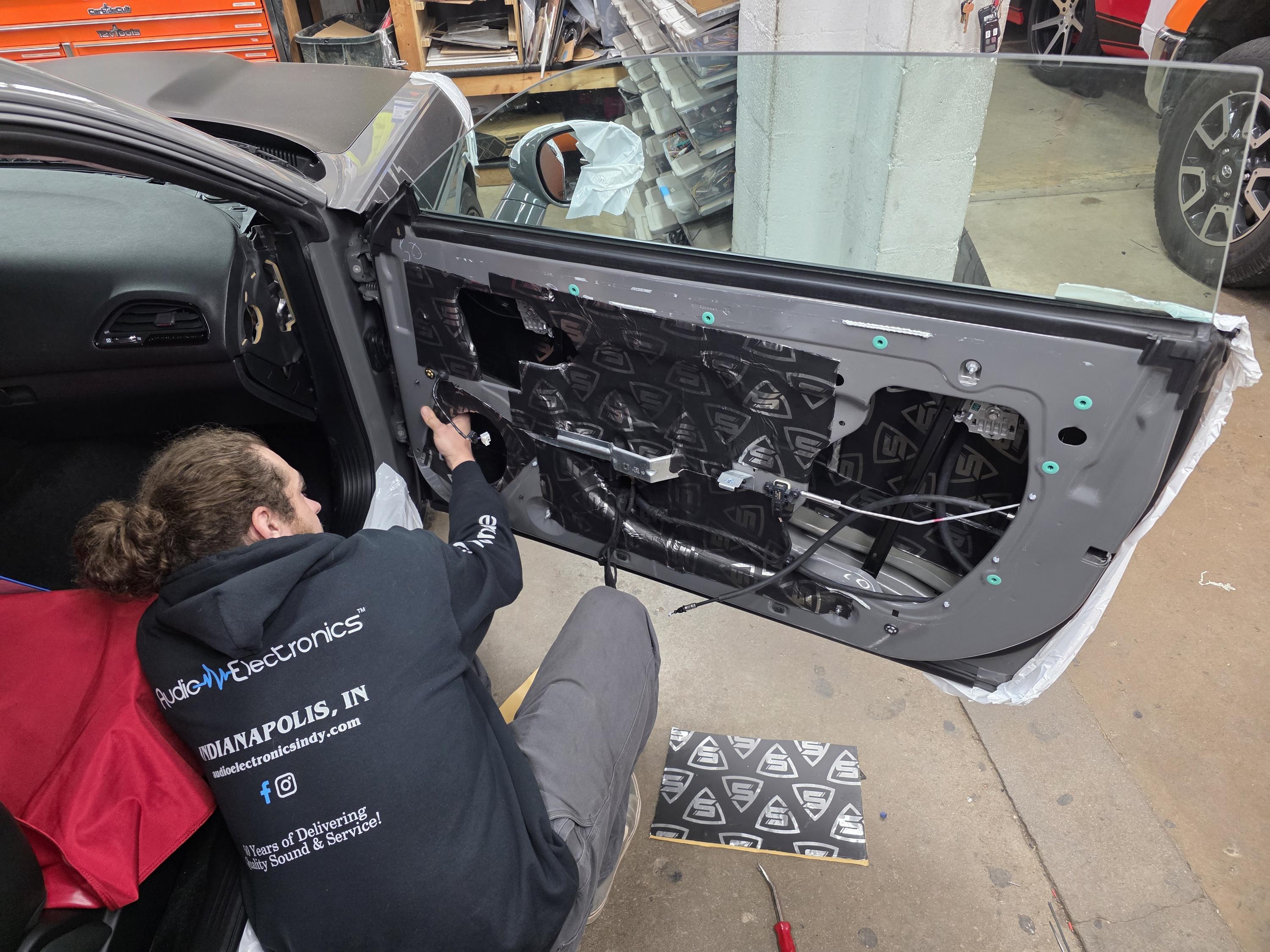
Professional installation requires specialized tools. Digital multimeters for testing circuits. Oscilloscopes for setting audio levels. Crimp tools designed for automotive connectors. Panel removal tools that won’t damage your interior. Wire strippers, heat shrink tools, and more.
If a shop is working out of a garage with just basic hand tools, that’s a red flag. Quality installations require quality equipment.
Portfolio of Work and References
Any reputable shop should be happy to show you examples of their previous work. Look at the cleanliness of their installations. Are wires neatly bundled and secured? Are connections properly insulated? Does the finished work look factory or like an aftermarket hack job?
Ask for references from customers with vehicles similar to yours. A shop that specializes in modern vehicle wiring experts should have plenty of satisfied customers willing to vouch for their work.
Clear Communication and Detailed Quotes
A professional shop will take time to understand your goals and explain your options. They’ll provide detailed written quotes that break down parts and labor. They’ll explain what work will be done and why it’s necessary.
Be wary of shops that give vague estimates or pressure you into unnecessary upgrades. A trustworthy installer educates you and helps you make informed decisions based on your needs and budget.
Real Stories: When Things Go Wrong (And Right)
The $3,500 Mistake
Jason bought a used 2019 BMW 3 Series and wanted to upgrade the audio system. To save money, he found a shop offering installation for half the price of the professional car electronics installer Indianapolis shops were quoting. The cheap shop installed his new head unit, speakers, and amplifier in an afternoon.
Within a week, Jason’s car started having issues. The iDrive system would randomly reboot. His climate control stopped responding. Warning messages appeared on the dashboard. The BMW dealership diagnosed damaged communication lines and a fried gateway module. The total repair cost? $3,500. And that didn’t include reinstalling his audio equipment correctly.
Jason ended up paying three times what he would have spent if he’d gone to a qualified shop in the first place. Lesson learned the hard way.
The Right Way Success Story
Compare that to Sarah’s experience. She also bought a 2019 BMW 3 Series and wanted audio upgrades. She did her research and chose a shop specializing in modern vehicle wiring experts. They spent time explaining the complexity of her vehicle’s systems and why certain integration modules were necessary.
The installation took two days because they did it right. They used proper BMW-specific integration harnesses. They programmed the vehicle’s computer to recognize the new equipment. They carefully routed and protected all new wiring. They tested every function to ensure nothing was compromised.
Sarah’s been enjoying her upgraded system for two years now with zero problems. Her steering wheel controls work perfectly. All factory features still function. The sound quality is amazing. And she has peace of mind knowing the work was done right.
Making the Smart Choice for Your Vehicle
Calculating the True Cost
When you’re considering an audio upgrade, don’t just look at the equipment cost and installation price. Think about the total cost of ownership. A cheaper installation that causes problems will end up costing you much more in the long run.
Factor in the value of your time. How many hours will you spend troubleshooting a DIY install that’s not working right? What’s your time worth? For most people, paying a professional saves both money and frustration.
Consider the risk. What’s the potential cost if something goes wrong? Can you afford to replace damaged modules or repair electrical systems? For most modern vehicles, the risk far outweighs any savings from going the cheap route.
Questions to Ask Before Committing
Before you choose an installer, ask these important questions:
Are your technicians MECP certified? How long have you been installing equipment in vehicles like mine? What integration modules will you use for my specific vehicle? Can you show me examples of previous installations in similar cars? What warranty do you provide on parts and labor? How do you handle troubleshooting if issues arise after installation?
The answers to these questions will tell you a lot about whether you’re dealing with true professionals or amateurs pretending to be experts.
Protecting Your Investment
Your vehicle represents a significant investment. Whether it’s a $25,000 sedan or a $60,000 luxury SUV, you want to protect that investment. Safe car audio upgrades done by qualified professionals protect your vehicle’s value, functionality, and safety systems.
Think of professional installation as insurance. You’re paying a bit more upfront to avoid potentially massive costs down the road. You’re ensuring that your vehicle’s complex electronics remain intact and functional. You’re preserving your warranty and resale value.
The Bottom Line on Modern Vehicle Audio Installations
Your car is too sophisticated and too valuable to trust to amateurs or DIY methods. The days when anyone with basic tools could install a car stereo are long gone. Today’s vehicles require specialized knowledge, proper tools, and professional expertise.
Whether you need to fix botched car audio install work done by someone else or you’re planning new upgrades, choosing a professional car electronics installer Indianapolis residents trust is the smart move. You’ll get better results, avoid costly mistakes, and have peace of mind knowing your vehicle is in capable hands.
Don’t let a cheap installation turn into an expensive nightmare. Invest in quality work from modern vehicle wiring experts who understand your vehicle’s complex systems. Your car, your wallet, and your stress levels will thank you.
Looking for safe car audio upgrades that won’t compromise your vehicle? Need CAN bus audio integration Indy professionals who know what they’re doing? Take the time to find a qualified shop with certified technicians, proper equipment, and a track record of quality work. Your modern vehicle deserves nothing less than professional care.
Remember, you’re not just installing a stereo. You’re modifying a sophisticated computer system that controls critical vehicle functions. This isn’t the place to cut corners or gamble with cheap labor. Do it right the first time, and you’ll enjoy your upgraded audio system for years to come without the headaches and expenses that come from amateur work.
Your car is more than just transportation. It’s a significant investment that deserves professional care. Make the smart choice and trust your audio upgrades to qualified experts who understand modern vehicle electronics.
Frequently Asked Questions
Can I install a car stereo myself in a modern vehicle?
While it’s technically possible, it’s not recommended for vehicles made after 2010. Modern cars use complex CAN bus systems that require specialized knowledge and integration modules. A simple mistake can disable safety features, trigger warning lights, or damage expensive control modules. The risk of costly damage far outweighs any money saved on DIY installation.
How much does professional car audio installation typically cost?
Professional installation costs vary based on the complexity of your vehicle and the equipment being installed. Standard installations typically range from $100 to $300 and take 1 to 4 hours. More complex systems with amplifiers, subwoofers, and advanced integration can cost more. A reputable shop will provide a detailed quote after evaluating your specific vehicle and needs.
What is a CAN bus system and why does it matter for audio installation?
CAN bus (Controller Area Network) is the digital communication system that connects all the computers in your modern vehicle. It allows modules to share information and coordinate functions. When installing aftermarket audio equipment, you must interface with this system correctly using specialized adapters. Improper CAN bus integration can cause warning lights, disabled features, and even safety system failures.
How can I tell if a car audio shop is qualified to work on my modern vehicle?
Look for MECP (Mobile Electronics Certified Professional) certification, which proves technicians have passed industry exams. Ask about their experience with your specific vehicle make and model. Request to see examples of previous installations in similar cars. A qualified shop will have proper diagnostic tools, vehicle-specific integration harnesses, and detailed knowledge of modern vehicle electronics.
What should I do if I already have a botched car audio installation?
Take your vehicle to a professional car electronics installer who specializes in modern vehicles as soon as possible. Don’t continue driving if you have warning lights or malfunctioning safety systems. A qualified shop can diagnose the damage, repair or replace affected components, and reinstall your equipment correctly. While fixing botched work costs more than doing it right initially, addressing problems quickly can prevent further damage.