
Sealed vs. Ported Subwoofer Boxes: Which Gives the Best Bass?
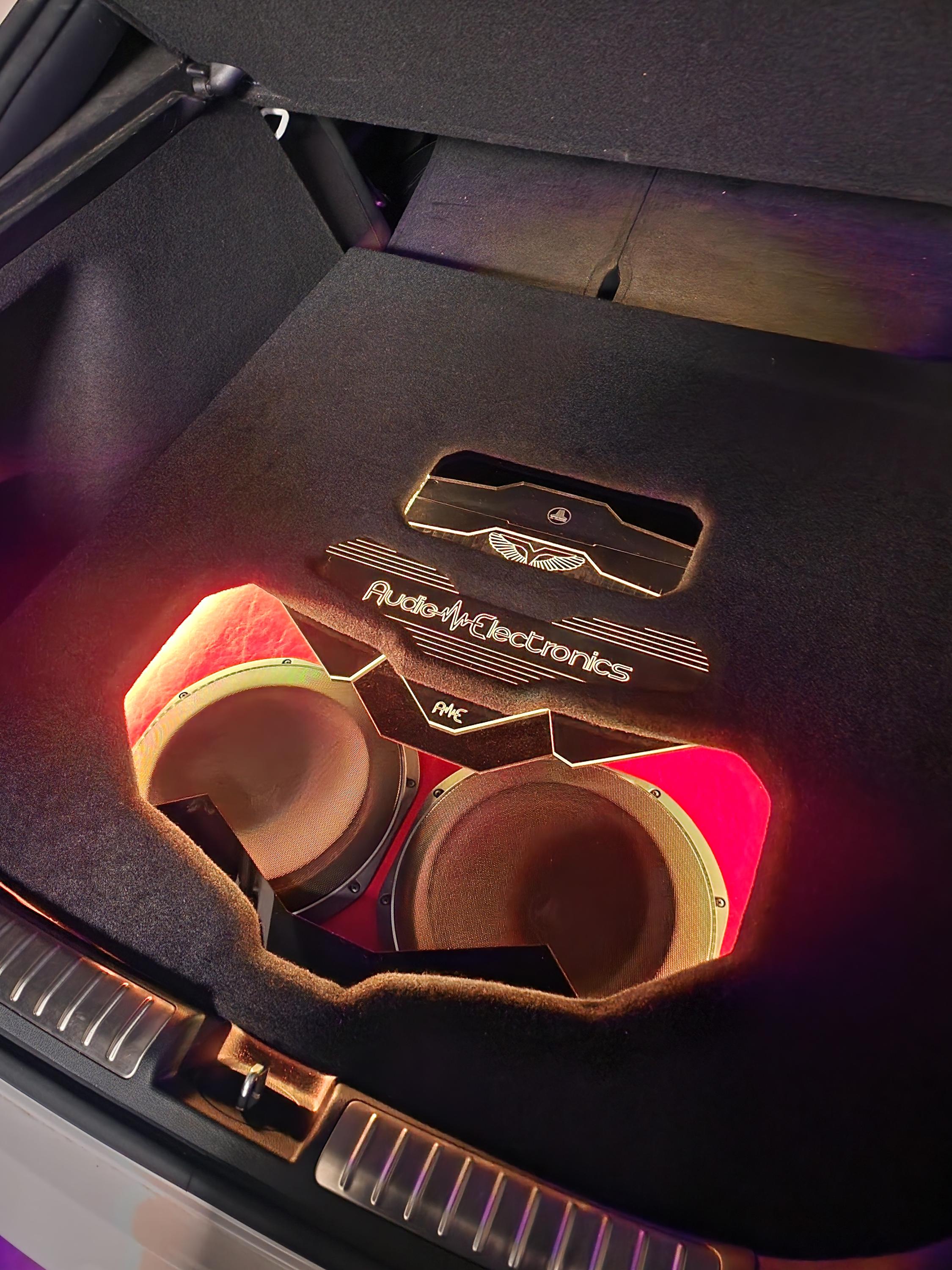
Most people think louder bass means better bass. But if you want deep bass car audio Indy fans respect, it’s not that simple. Choosing between a sealed vs ported subwoofer box means deciding if you want tight, punchy hits or booming, room-shaking lows. Knowing which fits your style can make all the difference for your next custom subwoofer box Indianapolis build.

Understanding the Basics: What Makes Each Box Different?

So you’re ready to upgrade your sound system, but you’re stuck on one big question: sealed or ported? Let me break it down for you in a way that actually makes sense.

What’s a Sealed Subwoofer Box?

Think of a sealed box like a completely closed container. Your subwoofer sits inside, and there’s no opening or hole for air to escape. It’s simple, compact, and gets straight to the point. The air inside acts like a spring, controlling how your sub moves. This gives you that tight, controlled bass that hits hard and fast.

When you’re listening to tracks with quick bass notes, a sealed box keeps up without any lag. Each beat is crisp and clean. You’ll hear every note exactly as the artist intended. That’s why audiophiles and people who care about accuracy tend to love sealed boxes.

What’s a Ported Subwoofer Box?

A ported box (sometimes called a vented box) has an opening or tube that lets air flow in and out. This port is tuned to a specific frequency, which means it’s designed to boost certain bass notes. The result? Louder, deeper bass that fills your entire car.

If you want bass that you can feel in your chest, a ported box delivers. The port works with your subwoofer to move more air, creating those earth-shaking lows that make your mirrors shake and your neighbors take notice.

Sealed vs Ported Subwoofer: The Real Differences
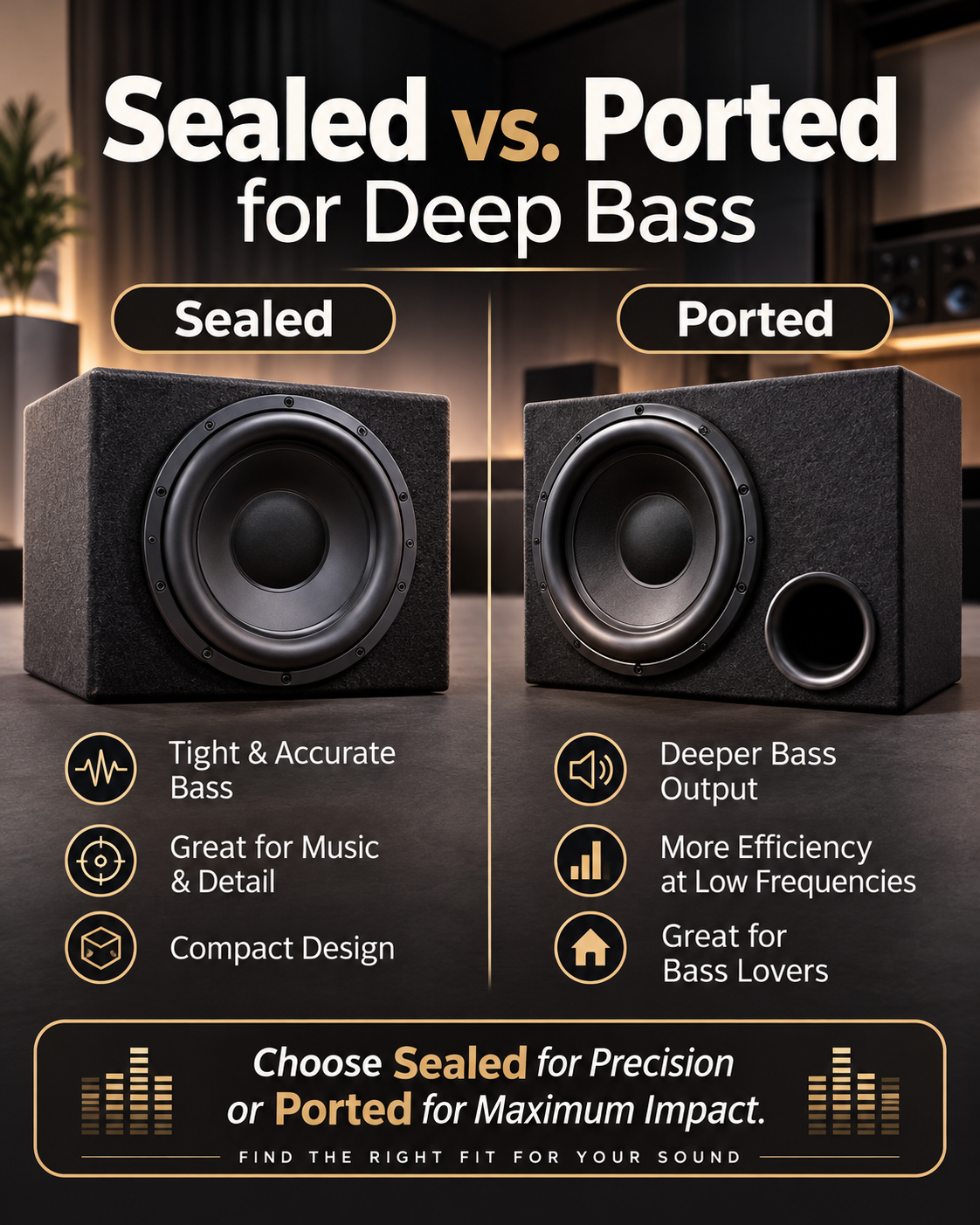
Let’s get into what really sets these two apart. And I’m not just talking about the box design. I’m talking about how they actually sound in your ride.

Sound Quality and Accuracy

Here’s where sealed boxes shine. Because the enclosure is airtight, your sub has total control over the sound. You get bass that’s accurate and balanced. Hip-hop tracks with fast-paced beats sound clean. Rock songs with bass guitars come through clear. Nothing gets muddy or bloated.

Ported boxes trade a bit of that accuracy for volume and depth. The bass might not be as tight, but it goes lower and hits harder. For EDM and trap music where you want those sub-bass frequencies to rattle your trunk, ported is often the way to go.

Volume and Output

Want to be heard from three blocks away? A ported box is your friend. The port design boosts the output, especially at the tuned frequency. You’re getting more bang for your buck in terms of sheer volume. With the same power going to your amp, a ported box will typically sound louder than a sealed one.

Sealed boxes are quieter by comparison, but don’t let that fool you. They still hit hard. They’re just more focused and controlled. If you’re in a smaller car or you don’t need to shake the whole parking lot, sealed gives you plenty of punch without going overboard.

Size and Space Requirements

Got a small trunk or limited space? Sealed boxes are usually more compact. Since they don’t need room for a port, you can build them smaller and tuck them into tighter spots. This is perfect if you still want to haul groceries or camping gear.

Ported boxes need more space. The port itself takes up room, and the overall box size is typically larger. If you’re serious about getting the best subwoofer enclosure for maximum output and you’ve got the trunk space to spare, the extra size is worth it.

Power Handling

Sealed boxes are easier on your subwoofer. The air cushion inside protects the cone from overextending. You can push them pretty hard without worrying about damaging your sub. They’re forgiving and reliable.

Ported boxes let your sub move more freely, especially near the tuned frequency. This means you need to be more careful with your settings. Push it too hard below the tuned frequency, and you risk damaging your sub. But when you dial it in right, you get incredible output.

Which One Fits Your Music Style?

Your music taste should play a huge role in your decision. Let’s talk about what works best for different genres.

Hip-Hop and Rap

This one depends on the style. Old-school hip-hop with punchy basslines? Sealed gives you that tight, rhythmic thump. Modern trap and bass-heavy rap? Ported lets those 808s rumble like they should.

If you’re listening to artists who layer deep sub-bass under their beats, ported is going to give you that full experience. You’ll feel every low-end hit.

EDM and Electronic Music

EDM fans, this is your territory for ported boxes. Those long, sustained bass drops need room to breathe. Ported boxes handle the super-low frequencies that make festival sound systems so impressive. When that bass drops, you want to feel it in your bones, right? That’s what a ported box does.

Rock and Metal

For rock, metal, and anything with live instruments, sealed is often the better choice. Bass guitars and kick drums need that tight, fast response. You want to hear the definition in each note, not just feel a wall of bass. Sealed boxes keep everything clean and musical.

Everything Else

Listen to a mix of everything? You might want to consider a sealed box for its versatility. It handles most genres well without favoring one over another. Or, if you’re willing to invest in custom trunk fabrication Indiana shops can provide, you could even build a system with both types for different situations.

Building Your Custom Subwoofer Box Indianapolis
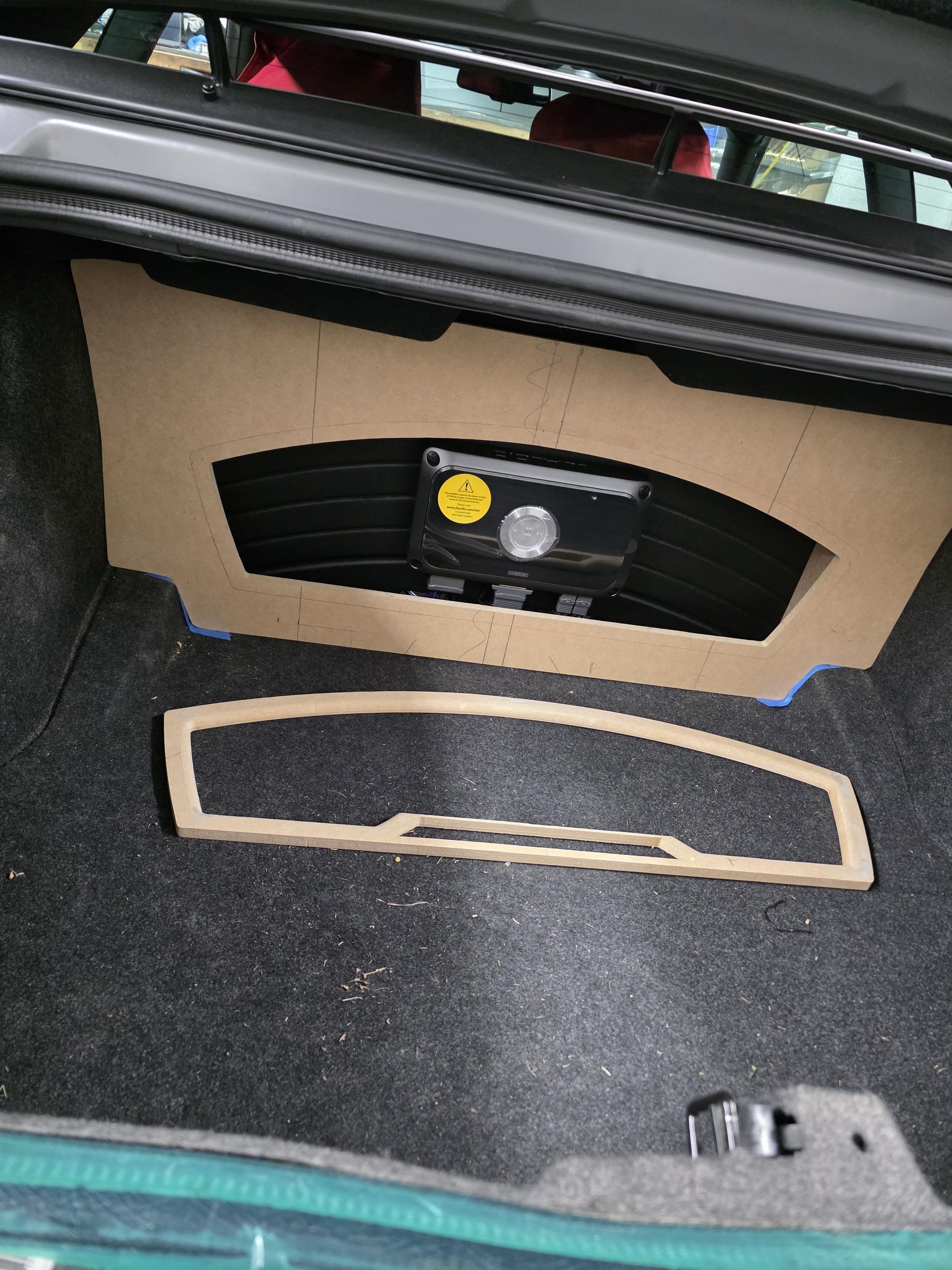
Now that you know the difference, let’s talk about actually getting one built. You’ve got options.

Prefab vs. Custom

You can buy prefab boxes online or at car audio shops. They’re affordable and ready to go. But here’s the thing: they’re built for generic applications. Your trunk isn’t generic. Every vehicle has different space constraints and acoustic properties.

A custom subwoofer box Indianapolis builders create is designed specifically for your car and your sub. It fits perfectly, looks clean, and performs better because it’s tuned for your exact setup. Yeah, it costs more upfront, but the difference in sound quality and fit is night and day.

What Goes Into a Custom Build

When you work with a shop on a custom box, they’ll measure your trunk space down to the inch. They’ll ask about your music preferences, your sub specs, and how loud you want to go. Then they’ll design a box that checks all your boxes (pun intended).

For sealed boxes, they’ll calculate the optimal internal volume for your specific subwoofer. Too big and you lose control. Too small and you choke the sub. Getting it just right makes all the difference.

For ported boxes, there’s even more to consider. The port length, diameter, and tuning frequency all need to match your goals. Want to tune low for deep bass car audio Indy enthusiasts will appreciate? That requires a longer port. Want it louder at a higher frequency? Different tuning.

Materials Matter

Quality shops use thick MDF (medium-density fiberboard) for strength and sound deadening. They seal every joint to prevent air leaks in sealed boxes. For ported boxes, they smooth the port edges to reduce turbulence and noise.

Some builders even offer fiberglass options for custom shapes that fit into weird trunk spaces. This is where custom trunk fabrication Indiana pros really show their skills. They can mold boxes that follow the contours of your trunk, giving you maximum space efficiency.

Installation Tips and Tricks

You’ve got your box. Now what? Here are some tips to get the best performance.

Placement in Your Vehicle

Where you put your sub matters. Corner loading (placing the box in a corner of your trunk) can boost output by using the car’s structure to reinforce the bass. Trunk center placement gives you more balanced sound throughout the cabin.

For sealed boxes, you’ve got more flexibility. They’re less sensitive to placement. Ported boxes can be trickier. The port needs breathing room. Don’t block it with boxes or equipment, or you’ll lose output and create weird noises.

Wiring It Up

Make sure your amp matches your sub’s power requirements. A sealed box is a bit more forgiving with power, but you still want to match impedance correctly. Ported boxes need clean, stable power to perform their best. Underpowering a ported system sounds weak and disappointing.

Tuning Your System

Don’t just crank the bass knob and call it a day. Take time to tune your system properly. Set your gains correctly on the amp. Adjust your low-pass filter to blend the sub with your door speakers. A well-tuned sealed box sounds amazing. A well-tuned ported box sounds earth-shattering.

Common Mistakes to Avoid

Let me save you from some headaches I’ve seen people deal with.

Building Too Small

The biggest mistake with sealed boxes? Building them too small. Your sub needs a certain amount of air space to work right. Check the manufacturer’s recommendations and stick to them. Going smaller might save trunk space, but it’ll sound terrible.

Tuning Too Low on Ported Boxes

It’s tempting to tune a ported box super low to get those deep notes. But tuning too low for your sub and your music can make the system sound weak and sloppy. There’s a sweet spot, and a good builder knows how to find it.

Skimping on Build Quality

Air leaks kill sealed box performance. Loose joints ruin ported box tuning. Don’t cut corners on construction. If you’re building it yourself, use wood glue on every joint and seal every seam. If you’re having it built, make sure your shop has a reputation for quality work.

Ignoring Your Vehicle’s Acoustics

Your car’s interior affects how bass sounds. Small cars can pressurize and make bass sound louder. Big SUVs need more output to fill the space. The best subwoofer enclosure takes your specific vehicle into account.

Making Your Final Decision

So which one should you choose? Let me help you figure it out.

Go Sealed If…

You want accurate, tight bass that responds quickly. You listen to a variety of music genres. You have limited trunk space. You want a forgiving system that’s easy to power and hard to damage. You care more about quality than sheer volume.

Go Ported If…

You want maximum output and the deepest possible bass. You mainly listen to bass-heavy music like EDM, trap, or modern hip-hop. You have the trunk space for a larger box. You’re willing to be more careful with your settings. You want to make a statement with your system.

Still Not Sure?

Talk to the pros. Shops that specialize in custom subwoofer box Indianapolis builds deal with this decision every day. They can listen to your needs, check out your vehicle, and recommend the best option. Most good shops will even let you listen to demo systems with both sealed and ported setups so you can hear the difference yourself.

The Bottom Line on Sealed vs Ported Subwoofer Boxes

Look, there’s no universal “best” choice here. Both sealed and ported boxes have their place. Sealed gives you accuracy, tightness, and versatility. Ported gives you volume, depth, and impact. The right choice depends on your music, your vehicle, and your personal preferences.

What matters most is getting a quality build that’s designed for your specific setup. Whether you go sealed or ported, a custom subwoofer box Indianapolis professionals build will outperform any generic box you grab off the shelf.

Think about what you really want from your system. Are you chasing that perfect, balanced sound? Or do you want bass that announces your arrival three streets away? There’s no wrong answer. It’s your car, your music, and your vibe.

And hey, if you’re still on the fence, remember that you can always start with one style and switch later. Your sub, amp, and wiring will work with either type of box. The great thing about working with shops that do custom trunk fabrication Indiana style is that they can always build you something new if your tastes change.

The world of deep bass car audio Indy has to offer is waiting for you. Whether you choose the precision of sealed or the power of ported, you’re about to transform your driving experience. Every song is going to hit different. Every bass drop is going to feel personal. And that’s what it’s all about.

Ready to get started? Find a reputable shop, bring your ideas, and let them help you build the best subwoofer enclosure for your needs. Your ears (and your chest) will thank you.

Frequently Asked Questions

Which is louder: sealed or ported subwoofer boxes?
Ported boxes are typically louder than sealed boxes. The port design allows the system to move more air and boost output, especially at the tuned frequency. You’ll get more volume from the same amplifier power with a ported setup compared to a sealed one.

Can I use the same subwoofer in both sealed and ported boxes?
Yes, most subwoofers can work in both sealed and ported enclosures. The sound characteristics will change based on the box type, but the sub itself is compatible with either. Check your subwoofer’s specifications to see the recommended enclosure volumes for both types.

How much trunk space do I need for a ported box?
Ported boxes typically require 1.5 to 2 times more space than sealed boxes for the same subwoofer. A 12-inch sub in a sealed box might need 1.25 cubic feet, while the same sub in a ported box could need 2.5 to 3 cubic feet. The exact size depends on the tuning frequency and port design.

Does a sealed box hit harder than a ported box?
It depends on what you mean by “hit harder.” Sealed boxes deliver tighter, more controlled hits that feel punchy and immediate. Ported boxes produce louder, deeper bass that creates more overall impact and rumble. For quick, snappy bass, sealed feels harder; for sustained, powerful bass, ported wins.

How much does a custom subwoofer box cost in Indianapolis?
Custom subwoofer boxes in Indianapolis typically range from $150 to $500 depending on size, materials, and complexity. Basic sealed boxes start around $150 to $200, while custom ported boxes with precise tuning run $250 to $400. Complex fiberglass builds with custom trunk fabrication can exceed $500.
How to Add Deep Bass to Your Vehicle Without Sacrificing Trunk Space

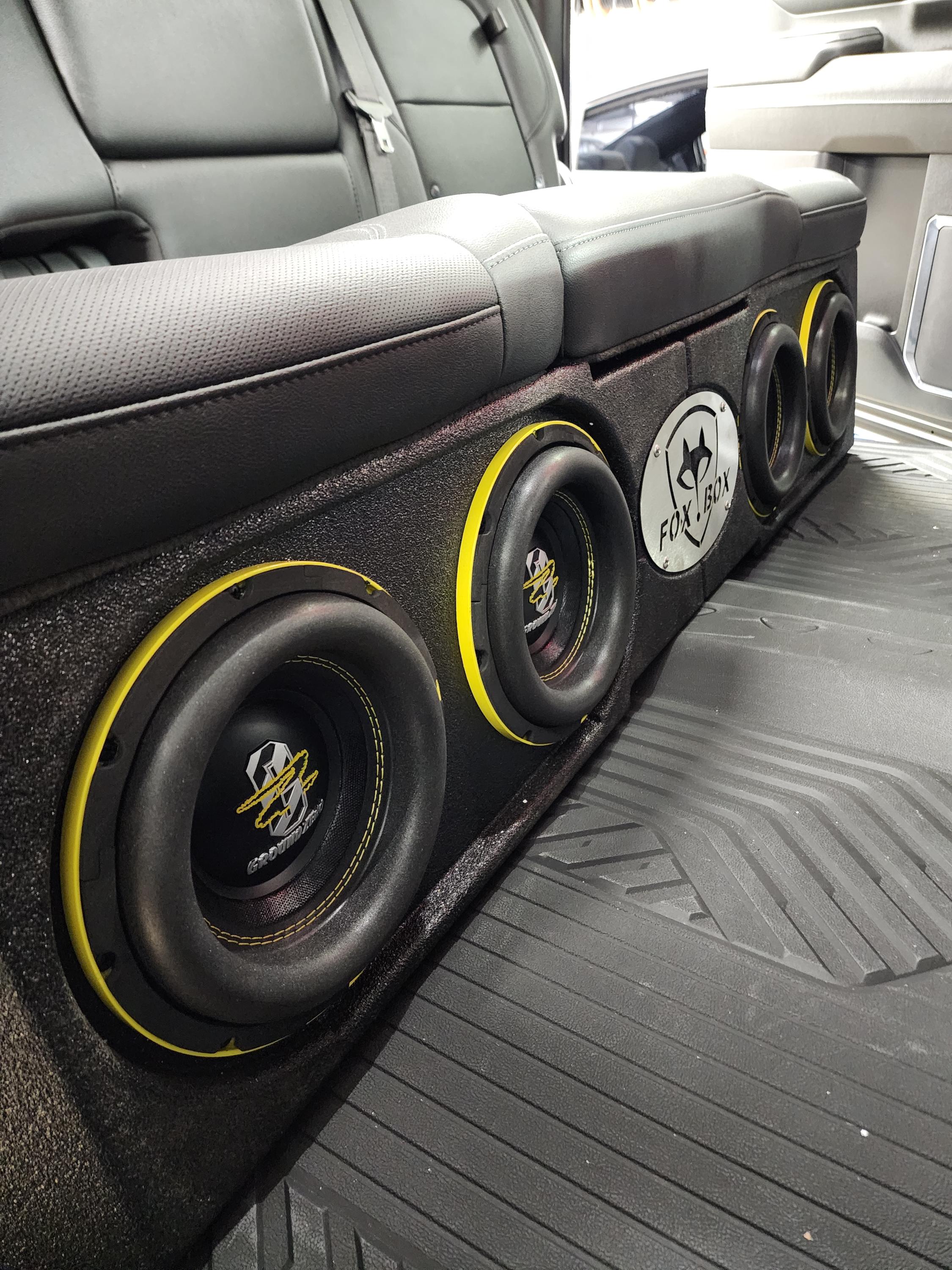
Four subwoofers in a slim enclosure fitted behind the rear seat of a pickup truck, leaving the floor clear.

Most people think adding deep bass means losing trunk space. That’s not true for your SUV, golf gear, or busy family rides in Indianapolis. A custom subwoofer box Indianapolis experts install keeps your cargo room intact while delivering powerful sound. Keep reading to see how under seat subwoofer installation and hidden bass package car audio options make that possible.

Why You Don’t Have to Choose Between Bass and Cargo Space

Let’s be real. You love music, but you also need your trunk. Maybe you’re hauling golf clubs every weekend, loading up groceries for the family, or carrying work equipment around Indy. The idea of stuffing a massive subwoofer box in your trunk sounds great until you realize you can’t fit anything else back there.

Good news? You can have both. Modern car audio solutions give you serious bass without turning your vehicle into a concert hall on wheels that can’t carry anything practical. The trick is knowing what options exist and which one fits your lifestyle best.

Understanding Your Space-Saving Bass Options

Under Seat Subwoofer Installation

This is probably the smartest solution for most drivers. An under seat subwoofer installation tucks a low-profile sub right under your front or rear seats. You’d be surprised how much punch these compact units deliver.

Think about it. That space under your seats isn’t doing anything right now. Why not put it to work? These subs are shallow, typically only 2 to 3 inches tall, but they’re engineered to produce quality low-end frequencies that fill out your music.

Who benefits most from this setup? Parents with car seats and strollers, tradespeople with tools and supplies, or anyone who regularly uses their back seat and trunk. You won’t lose a single inch of visible storage space, and your passengers won’t even know it’s there until they hear it.

Hidden Bass Package Car Audio Systems

A hidden bass package car audio system takes things a step further. These setups integrate subwoofers into your vehicle’s existing structure. We’re talking about mounting locations you’d never think of: behind rear seats, in side panels, or even in the ceiling for certain vehicles.

The beauty here is that everything stays completely out of sight. Your trunk looks stock. Your interior looks clean. But when you fire up your favorite track, the bass hits just as hard as a traditional setup.

Professional installers in Indianapolis have gotten really creative with these packages. They’ll survey your specific vehicle, find the dead space, and build a solution that works with your daily needs.

Spare Tire Subwoofer Solutions

Here’s a clever one. If your vehicle has a spare tire well, you might be sitting on prime real estate for bass. A spare tire subwoofer fits right where your spare tire used to live. The sub is round, fits perfectly in that circular space, and leaves your entire trunk floor open.

Now, you might be thinking: “But what about my spare tire?” Fair question. Many people in urban areas like Indianapolis choose to carry a tire repair kit instead, or they accept the trade-off knowing roadside assistance is a phone call away. It’s a personal choice, but for those who make it, the payoff is substantial bass with zero visible footprint.

Custom Subwoofer Box Indianapolis Builds

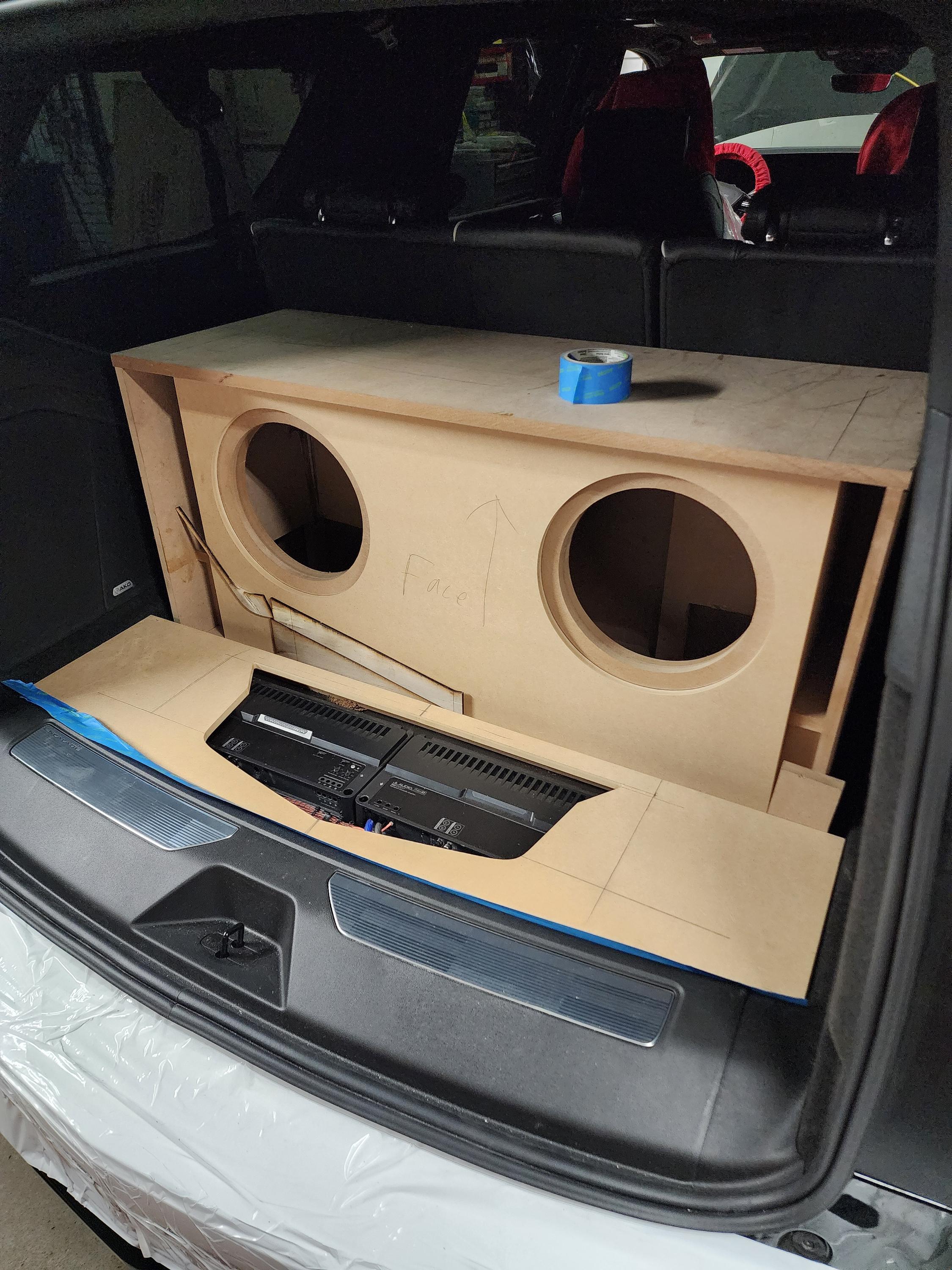
Unfinished wood subwoofer enclosure with two cutouts and an amplifier board test fitted in a vehicle cargo area.

Sometimes you need something totally unique. Maybe you drive a vehicle with an odd trunk shape, or you have specific cargo needs that change throughout the week. That’s where a custom subwoofer box Indianapolis shop can help.

Custom builders will measure your space, talk through your needs, and design a box that fits like a puzzle piece around your regular cargo. Want to keep your golf clubs on one side? Done. Need a box that slides out when you’re hauling lumber? They can build that too.

These aren’t the bulky, one-size-fits-all boxes you see online. We’re talking about precision woodwork that complements your vehicle’s interior while giving you the bass response you’re after.

Real-World Scenarios: Which Setup Fits Your Life?

The Weekend Golfer

You’ve got your clubs, your shoes, maybe a cooler for the 19th hole. Your trunk is spoken for every Saturday morning. An under seat subwoofer installation makes perfect sense here. Your trunk stays completely open, your clubs slide in and out easily, and you’ve got great tunes for the drive to the course.

The Busy Parent

Car seats, diaper bags, strollers, sports equipment. Your vehicle is basically a mobile storage unit. A hidden bass package car audio system works great because it doesn’t compete with all that family gear. The kids get their space, you get your sound, and everyone’s happy on the drive to soccer practice or the grocery store.

The Tradesperson

Tools, materials, equipment. Your vehicle is your mobile office, and every inch counts. A custom trunk audio setup Indy professionals design can work around your specific cargo patterns. Maybe that’s a shallow box that sits flat under your regular load, or a side-mounted system that keeps the center trunk area totally clear.

The Road Tripper

You take regular trips and need luggage space for multiple people. A spare tire subwoofer gives you all the bass you want while keeping the trunk floor completely flat and open. Stack those suitcases with confidence, knowing your sound system isn’t taking up valuable real estate.

What About Sound Quality?

You might wonder if these space-saving options actually sound good. Won’t a smaller sub or hidden placement compromise the audio quality?

Not if it’s done right. Size matters less than you think. A well-designed compact sub in the right enclosure, properly powered and tuned, can outperform a cheap big sub in a poorly built box every time.

The key is matching the subwoofer to the enclosure type and your vehicle’s acoustics. That’s where working with experienced installers pays off. They know how sound waves behave in different vehicles and can tune your system to sound amazing regardless of where the sub is mounted.

Sealed enclosures work great for tight, accurate bass. Ported designs give you more volume. Bandpass enclosures can deliver serious output from small spaces. Your installer will recommend what works best for your music preferences and vehicle type.

The Installation Process: What to Expect

When you work with a quality shop in Indianapolis, here’s roughly how things go:

First, they’ll ask about your listening habits. What music do you like? How loud do you listen? Do you want bass you feel or bass that just fills out the sound?

Next comes the vehicle inspection. They’ll look at your trunk space, under-seat areas, and any potential hiding spots. They’ll also check your electrical system to make sure it can handle the added power draw.

Then they’ll present options. Maybe you’re choosing between an under seat subwoofer installation and a custom trunk audio setup Indy style. They’ll explain the pros and cons of each based on your specific situation.

Once you decide, the actual installation typically takes a few hours to a full day, depending on complexity. For simple under-seat subs, it might be quick. For a full hidden bass package car audio system with custom fabrication, plan on leaving your vehicle for a day.

The best part? Professional installers will tune everything before you leave. They’ll adjust the gain, crossover, and phase to make sure the new sub blends perfectly with your existing speakers.

Common Mistakes to Avoid

Going Too Big

Bigger isn’t always better, especially when you’re trying to save space. An oversized sub in a cramped space will sound boomy and muddy. A properly sized sub in the right enclosure will sound clean and powerful. Trust your installer’s recommendations on size.

Skimping on Power

A great sub needs adequate power to perform. Don’t pair a quality space-saving sub with a weak amplifier. Your installer will recommend the right amp to match. Proper power means better sound and longer equipment life.

Forgetting About Wiring

Quality wiring matters. Cheap wire creates resistance, which means less power gets to your sub and more heat builds up. Professional installers use proper gauge wire with good connections. It costs a bit more but makes a real difference in performance and safety.

Not Considering Future Needs

Think ahead. Will your cargo needs change? Are you planning to upgrade other speakers later? A good installer will design your system with future expansion in mind, so you’re not starting from scratch if you want to add more later.

Maintaining Your Space-Saving Audio Setup

Good news: these systems are pretty low-maintenance. Here are a few simple tips to keep things sounding great:

Check connections periodically. A loose wire can cause problems. If you notice a change in sound quality, it might just be a connection that needs tightening.

Keep the sub area clean. Dust and debris can work their way into components over time. A quick vacuum around under-seat subs or in trunk areas helps.

Listen for changes. If your bass starts sounding distorted or weak, something might need attention. Catching issues early prevents bigger problems down the road.

Respect the limits. Even space-saving subs have power handling limits. Cranking the volume to maximum all the time stresses components. Enjoy your music at reasonable levels, and your system will last for years.

Cost Considerations

Let’s talk money. What should you budget for a quality space-saving bass setup in Indianapolis?

Basic under-seat powered subs start around $200 to $400 for the unit itself, plus installation costs. These are great entry-level options that deliver real improvement over stock audio.

Mid-range setups with better components and custom enclosures typically run $600 to $1,200 installed. This gets you noticeably better sound quality and more output.

High-end hidden bass package car audio systems with custom fabrication and premium components can range from $1,500 to $3,000 or more. These are for serious enthusiasts who want the absolute best sound without any visible equipment.

A spare tire subwoofer setup usually falls in the $500 to $1,000 range installed, depending on the specific sub and amp you choose.

Remember, you’re not just paying for parts. You’re paying for expertise, proper installation, and tuning that makes everything work together. A professionally installed system will outperform a DIY job with more expensive components nine times out of ten.

Finding the Right Installer in Indianapolis

Not all car audio shops are created equal. Here’s what to look for when choosing an installer in Indy:

Look for experience with your vehicle type. Some shops specialize in certain makes or models. If you drive an SUV, find someone who’s done lots of SUV installations.

Ask to see examples of their work. Good shops are proud of their installations and happy to show photos or even demo vehicles.

Check reviews and ask for references. What do past customers say about their work quality and customer service?

Make sure they offer warranties. Quality shops stand behind their work with warranties on both parts and labor.

Visit the shop in person. Is it clean and organized? Do they have proper tools and equipment? A professional workspace usually means professional results.

Making Your Decision

So where does this leave you? You want great bass, but you also need your trunk space. The good news is you really can have both.

Start by honestly assessing your needs. How much cargo space do you absolutely need to keep? What’s your budget? How important is keeping everything hidden versus just keeping it compact?

Then talk to a professional. Describe your situation, show them your vehicle, and listen to their recommendations. A good installer will present options that fit your needs and budget.

Don’t rush the decision. Take time to think about which solution best fits your lifestyle. Maybe visit a few shops, get multiple opinions, and compare approaches.

When you’re ready to move forward, trust the process. Professional installers do this every day. They’ve seen every challenge and solved every puzzle. Let them apply their knowledge to your specific situation.

The result? You’ll drive away with a vehicle that sounds amazing and still hauls everything you need. Your morning commute gets better. Your road trips are more enjoyable. And you never have to choose between bringing your gear or bringing the bass.

Ready to Get Started?

Adding serious bass to your vehicle without sacrificing trunk space isn’t just possible. It’s actually pretty straightforward when you work with the right people and choose the right solution for your needs.

Whether you go with an under seat subwoofer installation for maximum simplicity, a hidden bass package car audio system for the cleanest look, a spare tire subwoofer for clever space usage, or a fully custom subwoofer box Indianapolis builders create just for you, the end result is the same: great sound and all the cargo room you need.

Your vehicle can do both. You just need to make it happen. Start by reaching out for a professional car audio installation in Indianapolis. Tell them what you’re trying to accomplish. Let them show you what’s possible.

You’ll be surprised how easy it is to get the bass you want while keeping the space you need. And once you’re cruising around Indy with deep, rich low-end frequencies and a trunk full of whatever your day requires, you’ll wonder why you waited so long.

The perfect custom trunk audio setup Indy drivers love is closer than you think. It’s time to stop compromising and start enjoying both the music and the practicality your vehicle can offer.

Frequently Asked Questions

Can I really get good bass without a big subwoofer box in my trunk?

Yes, absolutely. Modern compact subs and creative installation locations deliver serious bass without eating up cargo space. Under-seat subs, spare tire wells, and custom hidden enclosures all produce quality low-end frequencies when properly installed and powered. The key is matching the right sub and enclosure type to your vehicle’s acoustics and your listening preferences.

How much does it typically cost to add bass while keeping trunk space?

Expect to spend anywhere from $200 to $3,000 depending on the solution you choose. Basic under-seat powered subs with installation start around $200 to $400. Mid-range custom setups run $600 to $1,200 installed. Premium hidden bass systems with custom fabrication can reach $1,500 to $3,000 or more. These prices include both equipment and professional installation.

Will an under-seat subwoofer sound as good as a trunk-mounted sub?

When properly selected and installed, yes. Sound quality depends more on the sub’s design, enclosure type, power supply, and tuning than on physical size. A well-engineered compact sub with the right amplifier and proper tuning will outperform a poorly installed larger sub. Professional installers know how to get maximum performance from space-saving designs.

What’s the best bass solution for someone who hauls cargo regularly?

It depends on your specific cargo patterns. Under-seat subs work great if you need full trunk and back seat access. Spare tire subwoofers keep the trunk floor completely clear. Custom boxes can be designed to fit around regular cargo items like golf clubs or tools. Talk with an experienced installer about your typical hauling needs, and they’ll recommend the solution that interferes least with your daily routine.

How long does installation take for a space-saving bass system?

Simple under-seat subwoofer installations typically take 2 to 4 hours. More complex hidden bass packages with custom fabrication might require a full day or even two days if extensive custom work is needed. Your installer will give you a time estimate based on the specific solution you choose and your vehicle type. Plan accordingly, and ask if they offer loaner vehicles for longer installations.